The History of Mercy

Have you ever participated in one of those throwback posts? You know the ones. This was me or us, five, ten, or even fifteen years ago.

These “blasts from the past” moments can bring smiles to our faces. Some for the fondness of the memory presented. Some, let’s be real, because we can’t believe we wore our hair that way or dressed like that, and so on.

These moments can be fun but viewing bygone days can also be a time of sobering contemplation. It was something the Israelites became acutely aware of years after returning home from their captivity.

Reading in Nehemiah 9, the priests and the Levites recorded Israel’s history. In telling their story, they showed the ups and downs of what their nation experienced.

Starting with Abram and how he became the one through whom God would establish His covenant, through their time of Egyptian slavery, wilderness wanderings, and beyond, the testimony of their story was written.

Noted in the recitation of their history was the many times Israel chose disobedience rather than God’s Law, their way opposed to His, and because of that, many times it is recorded they faced enemies and had to deal with life in the less-than-ideal way God intended.

But, in contrast to their faithlessness, God continued to show Himself faithful. While they strayed and suffered the consequences due to it, God turned to them, kept His covenant, and showed them mercy time and again (Vv. 17, 19, 27-28, 31-32 – verses can be found below). God stepped in the middle of their mess and restored them.

His history of mercy is mind-boggling, not only for Israel but for us as well.

Anyone in a true relationship with Christ will readily admit that we had much litter trashing the roads of our past. The history of the streets we have walked has not always been the cleanest they could be.

Our personal testimonies tell the story of what once was, the choices we made, and the grace and mercy God performed in our lives.

While our history may not be the best to look at, God’s mercy is.

For in it, we find God’s love working in ways human love cannot fathom.  We see Him giving us blessings and care we didn’t deserve (grace) and withholding things we do deserve (mercy).

If we took the time as the priests and Levites did, and recited our personal histories, how often do we see the hand of God show up with mercy in tow?

The longer I live, the more chances I have to reflect. In that reflection, I see new, and even more ways God has shown up when I did not deserve it.

Today, I truly thank God for His mercy shown.

When you look back on your history, can you see those mercy moments you’ve experienced? Thank God for each and every one for they are a sobering reminder of His unfailing love.

“For thou, Lord, art good, and ready to forgive; and plenteous in mercy unto all them that call upon thee.” Psalm 86:5

Nehemiah 9 verses from above:

“And refused to obey, neither were mindful of thy wonders that thou didst among them; but hardened their necks, and in their rebellion appointed a captain to return to their bondage: but thou art a God ready to pardon, gracious and merciful, slow to anger, and of great kindness, and forsookest them not.” (Nehemiah 9:17)

Yet thou in thy manifold mercies forsookest them not in the wilderness: the pillar of the cloud departed not from them by day, to lead them in the way; neither the pillar of fire by night, to shew them light, and the way wherein they should go.” (Nehemiah 9:19)

“Therefore thou deliveredst them into the hand of their enemies, who vexed them: and in the time of their trouble, when they cried unto thee, thou heardest them from heaven; and according to thy manifold mercies thou gavest them saviours, who saved them out of the hand of their enemies.

But after they had rest, they did evil again before thee: therefore leftest thou them in the land of their enemies, so that they had the dominion over them: yet when they returned, and cried unto thee, thou heardest them from heaven; and many times didst thou deliver them according to thy mercies.” (Nehemiah 9:27-28)

“Nevertheless for thy great mercies’ sake thou didst not utterly consume them, nor forsake them; for thou art a gracious and merciful God.

Now therefore, our God, the great, the mighty, and the terrible God, who keepest covenant and mercy, let not all the trouble seem little before thee, that hath come upon us, on our kings, on our princes, and on our priests, and on our prophets, and on our fathers, and on all thy people, since the time of the kings of Assyria unto this day.” (Nehemiah 9:31-32)

Thank You, God, for all the mercies shown in our bygone days, for the mercy of salvation, and for the mercy of today:
“(For the Lord thy God is a merciful God;) he will not forsake thee, neither destroy thee, nor forget the covenant of thy fathers which he sware unto them.” Deuteronomy 4:31
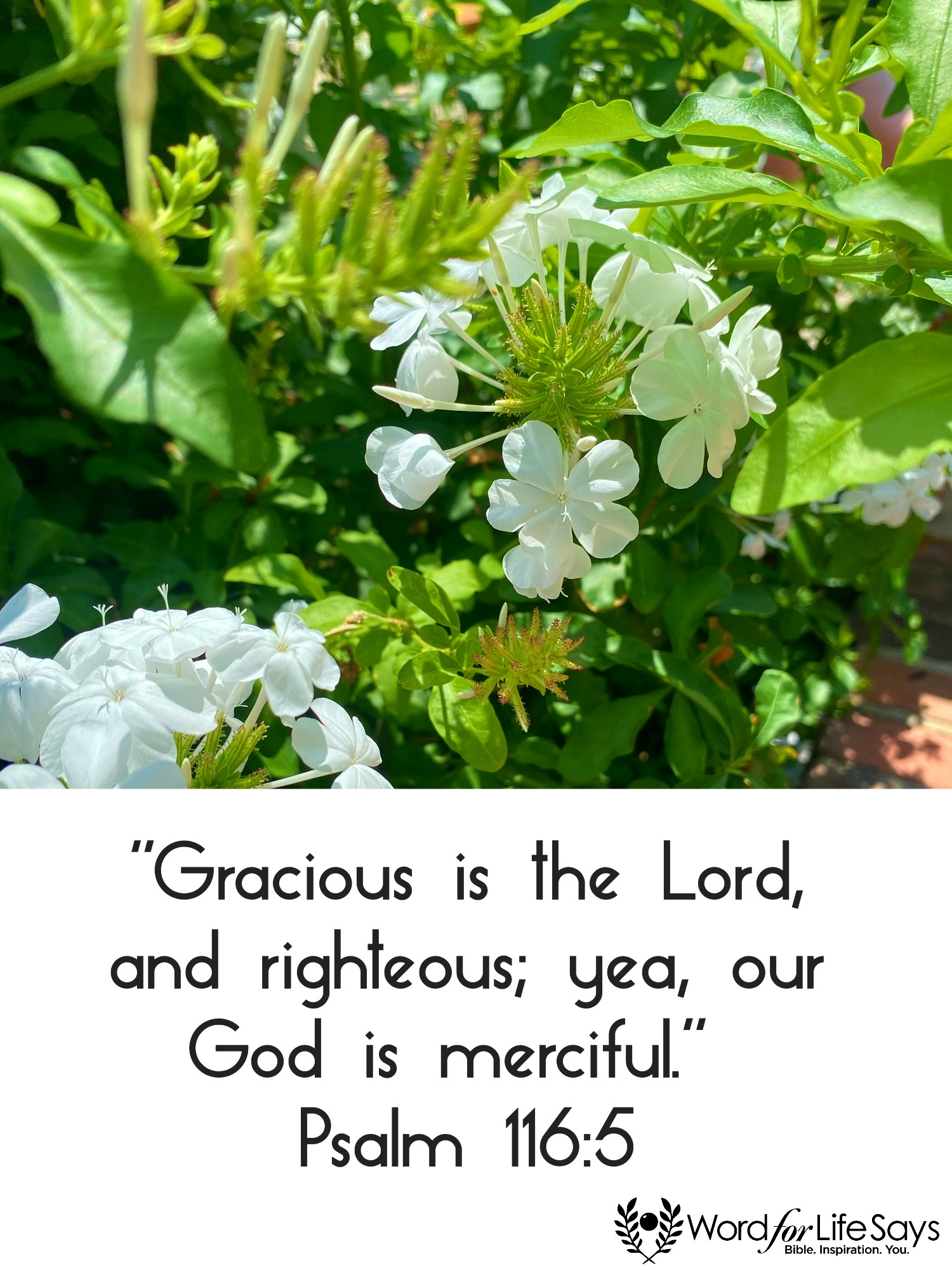
“Gracious is the Lord, and righteous; yea, our God is merciful.” Psalm 116:5
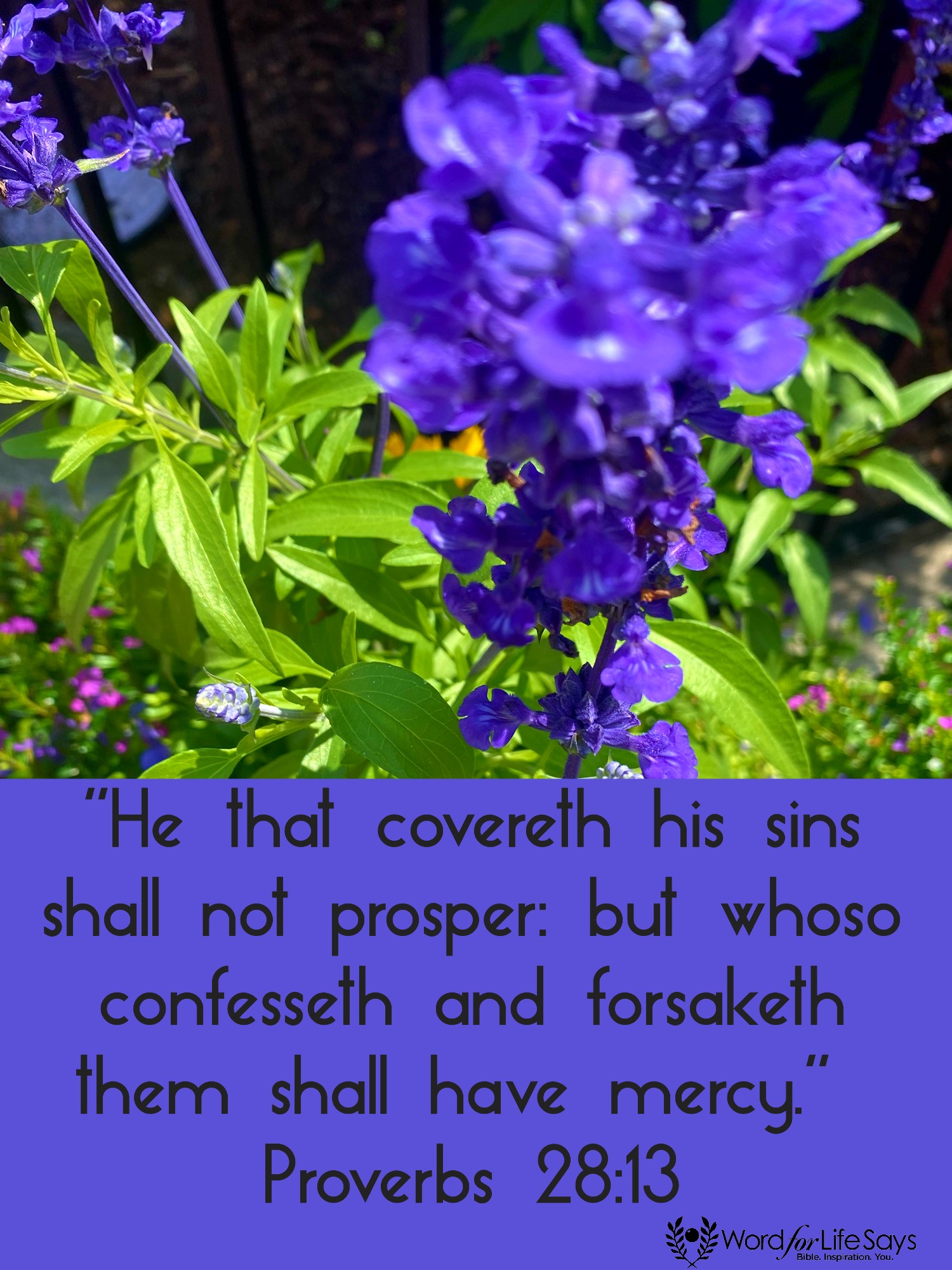
“He that covereth his sins shall not prosper: but whoso confesseth and forsaketh them shall have mercy.” Proverbs 28:13
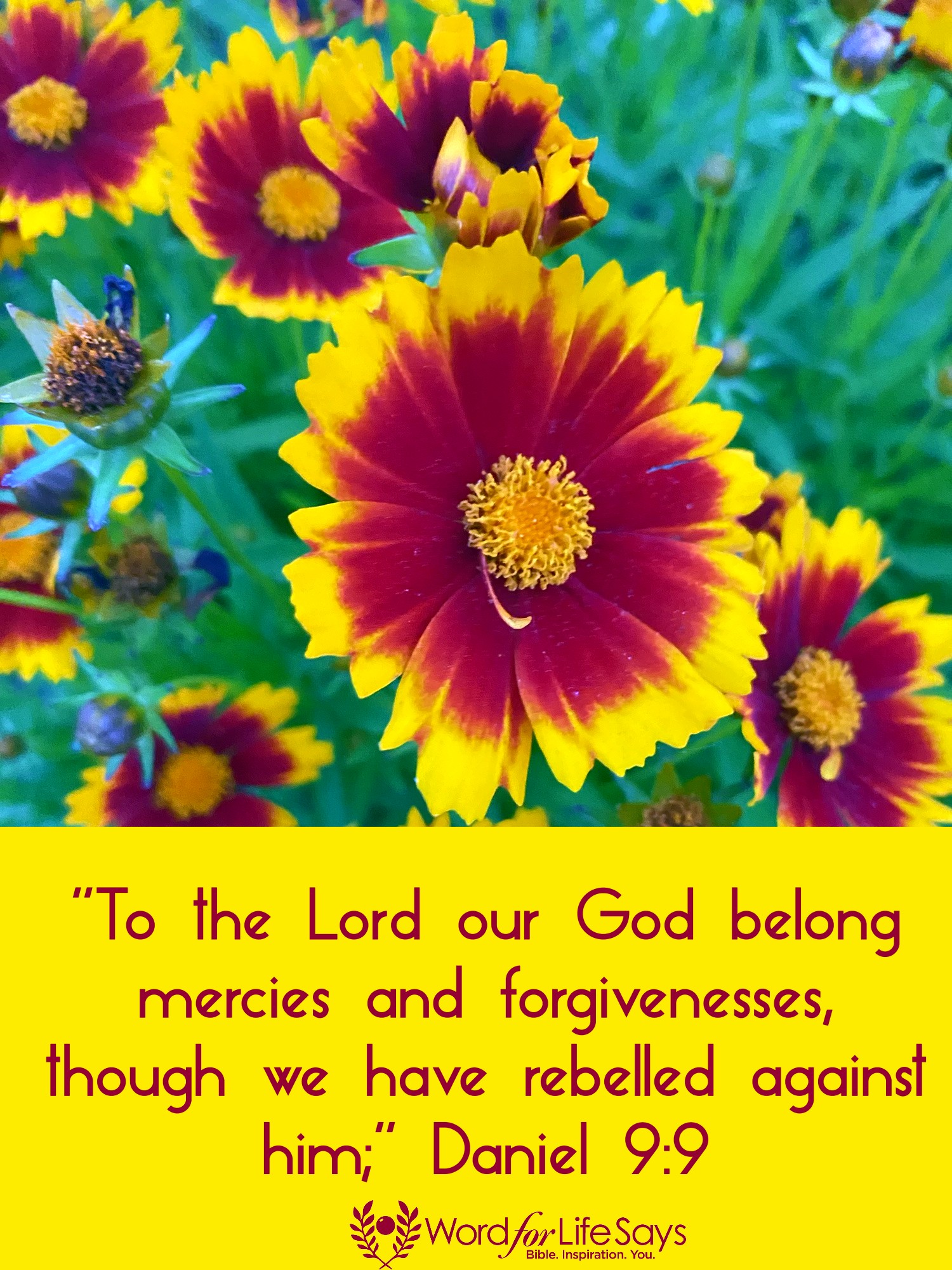
“To the Lord our God belong mercies and forgivenesses, though we have rebelled against him;” Daniel 9:9
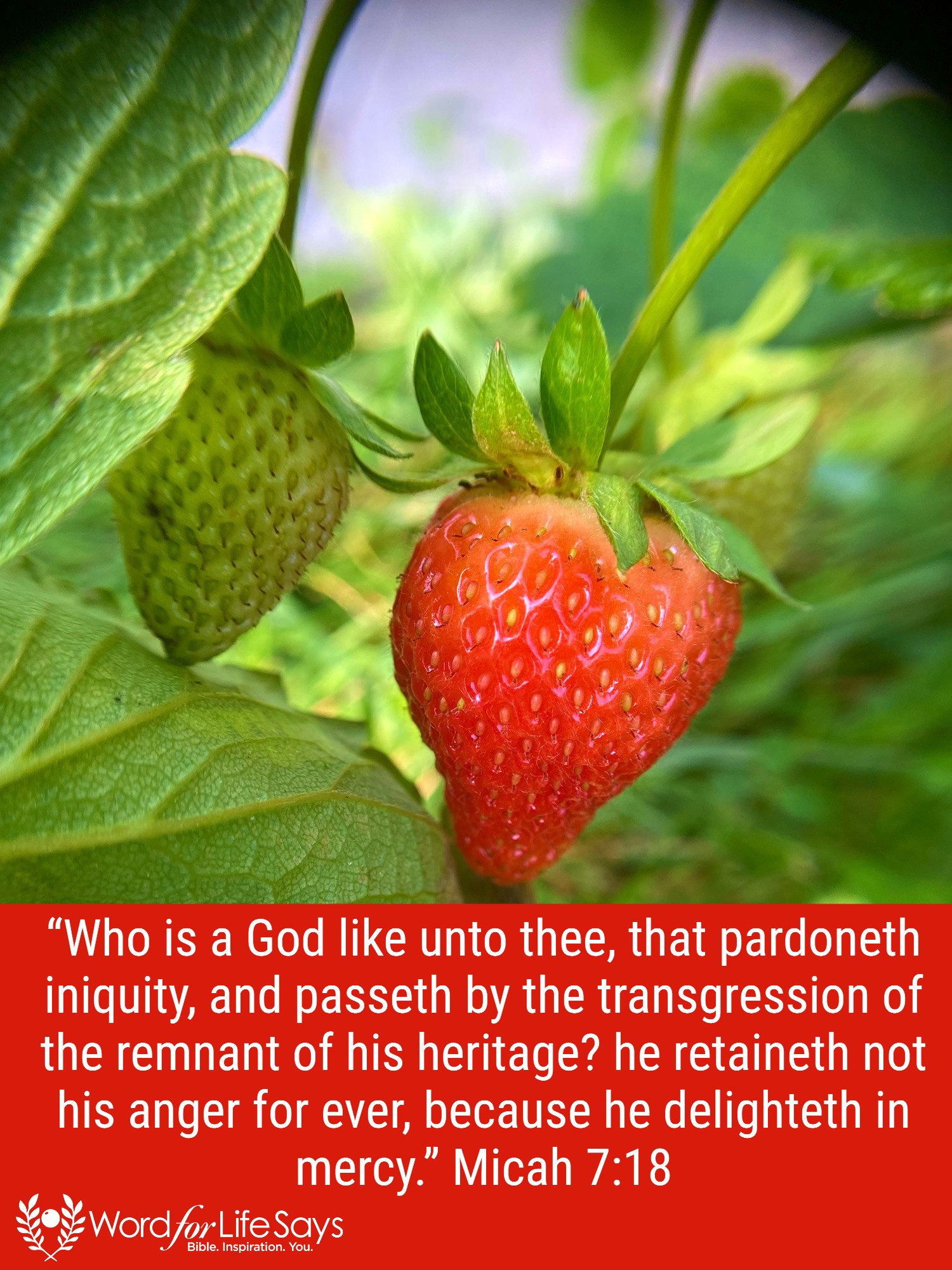
“Who is a God like unto thee, that pardoneth iniquity, and passeth by the transgression of the remnant of his heritage? he retaineth not his anger for ever, because he delighteth in mercy.” Micah 7:18
“And his mercy is on them that fear him from generation to generation.” Luke 1:50

“Blessed be God, even the Father of our Lord Jesus Christ, the Father of mercies, and the God of all comfort;” 2 Corinthians 1:3
“But God, who is rich in mercy, for his great love wherewith he loved us,” Ephesians 2:4
“Not by works of righteousness which we have done, but according to his mercy he saved us, by the washing of regeneration, and renewing of the Holy Ghost;” Titus 3:5


The Mercy Seat

“And seeth two angels in white sitting, the one at the head, and the other at the feet, where the body of Jesus had lain.” John 20:12

The morning after the high Sabbath had come.  Certain women, of whom Mary Magdelene was one, approached the tomb of their beloved Savior, intent on properly honoring Him with the spices they brought for His body.

Upon arrival at the tomb, the object of their desire for coming was not there.  The body of Jesus, whom they wanted to pay homage to, was gone.

They felt the earthquake, they saw the angel that sat upon the stone that had been rolled from the door of the tomb, and they heard his words: “And the angel answered and said unto the women, Fear not ye: for I know that ye seek Jesus, which was crucified. He is not here: for he is risen, as he said. Come, see the place where the Lord lay,” (Matthew 28:5, 6).

The women were entrusted to share the news with Jesus’ disciples, but one had come back.

Mary, whose encounter with Jesus freed her life of demonic oppression (Mark 16:9), needed to take a deeper look into the tomb, and what she saw may have reminded her of God’s presence and work among His people: “But Mary stood without at the sepulchre weeping: and as she wept, she stooped down, and looked into the sepulchre, And seeth two angels in white sitting, the one at the head, and the other at the feet, where the body of Jesus had lain,” (John 20:11, 12). 

Not being a high priest, or any priest for that matter, and never seeing it for herself, but hearing stories of what it may have been like, I wonder if she pondered this question in her heart, “Is this what the mercy seat was like?”

The Mercy Seat in the Old Testament

The book of Exodus describes the meticulous instructions and care to follow on the building of everything regarding the Tabernacle as prescribed by God, including the mercy seat: “And thou shalt make a mercy seat of pure gold: two cubits and a half shall be the length thereof, and a cubit and a half the breadth thereof.  And thou shalt make two cherubims of gold, of beaten work shalt thou make them, in the two ends of the mercy seat.  And make one cherub on the one end, and the other cherub on the other end: even of the mercy seat shall ye make the cherubims on the two ends thereof,” (Exodus 25:17-19).

This is the sacred place of which God said, “And there I will meet with thee, and I will commune with thee from above the mercy seat, from between the two cherubims which are upon the ark of the testimony…” (Exodus 25:22). 

This is the place of atonement, where the high priest would enter with the blood of animals once a year for the sins of the people.

The Mercy Seat in the New Testament

But when Jesus died on the cross, that protocol had been done away with.  The old covenant had been replaced by the new: “Jesus, when he had cried again with a loud voice, yielded up the ghost.  And, behold, the veil of the temple was rent in twain from the top to the bottom…” (Matthew 27:50, 51).

The way that only one man could enter once a year (Hebrews 9:6) had now been opened for all who would believe: “But Christ being come an high priest of good things to come, by a greater and more perfect tabernacle, not made with hands, that is to say, not of this building; Neither by the blood of goats and calves, but by his own blood he entered in once into the holy place, having obtained eternal redemption for us,” (Hebrews 9:11, 12). 

Whether or not what she saw reminded her of that ancient ark, what she saw was the sure sign that the price had been paid once and for all.  Not only for her sins but for the sins of the world (John 3:16) if they would only believe: “For Christ is not entered into the holy places made with hands, which are the figures of the true; but into heaven itself, now to appear in the presence of God for us… but now once in the end of the world hath he appeared to put away sin by the sacrifice of himself,” (Hebrews 9:24, 26b). 

What Jesus’ Fulfillment Means to Us

Mercy, by definition, is God not giving us what we deserve.  We deserved the penalties.  We deserved the price that was extracted through His holy sacrifice.  When He laid down His life, He did so for us, not Himself.

Now, all hindrances are removed.  All excuses, as they say, are nailed to the cross.  Believers far and near have no reason, like Mary, to draw near in complete faith: “Having therefore, brethren, boldness to enter into the holiest by the blood of Jesus, By a new and living way, which he hath consecrated for us, through the veil, that is to say, his flesh; And having an high priest over the house of God; Let us draw near with a true heart in full assurance of faith, having our hearts sprinkled from an evil conscience, and our bodies washed with pure water. Let us hold fast the profession of our faith without wavering; (for he is faithful that promised;),” (Hebrews 10:19-23). 

Paul, in his second letter to the Corinthian church, called God, “The Father of mercies” (2 Corinthians 1:3), and rightly so.  Just a glimpse into any of our lives would reveal how much His love and long-suffering nature have held, blessed, kept, provided, and more, despite our undeserving state.

And still today, mercy is available as we are invited not to draw near to the tomb, but to the throne: “Let us therefore come boldly unto the throne of grace, that we may obtain mercy, and find grace to help in time of need,” (Hebrews 4:16). 

Once the way was not as easily accessible, but now we are beckoned to come.  And not just come, but “come boldly.”  Jesus paid the price for our mercy.  The “new and living way” has been opened.

While the old mercy seat is gone, Jesus Christ has more than satisfied the atoning cost of the new covenant, establishing now, that through Him, is where we find the grace and mercy we need.

Friend, come boldly to Jesus Christ if you need mercy.

“And his mercy is on them that fear him from generation to generation.” Luke 1:50

“But ye are a chosen generation, a royal priesthood, an holy nation, a peculiar people; that ye should shew forth the praises of him who hath called you out of darkness into his marvellous light; Which in time past were not a people, but are now the people of God: which had not obtained mercy, but now have obtained mercy.” 1 Peter 2:9-10

Text Free Image by Arnie Bragg from Pixabay

Thy mercy, O Lord, is in the heavens!

“Thy mercy, O Lord, is in the heavens; and thy faithfulness reacheth unto the clouds.” Psalm 36:5

Copyright © Word For Life Says.com articles/lessons/worksheets may not be copied or redistributed without the express written permission of WordforLifeSays.com.  Please see the COPYRIGHT PAGE for more details.  Blessings to you.

Please Note: Ads below or referenced on this site are prefabricated and mass-produced (of which I currently have no control over) and DO NOT necessarily represent the views and/or beliefs of this site and its admin.