
If you have ever spent time in a garden, you know to get the most out of what you are planting, you must first spend time cultivating the soil. This involves preparing the soil to support the life of the seed or the plant. It is about nourishing and amending the soil. This ensures it will have all the healthful benefits needed to reach full maturity and fruitfulness.
Many want fruitfulness. However, the way we have been pursuing it has left many less than satisfied. They feel deflated, worn out, and frazzled because of all it takes to reach it in this world of demands.
Our modern culture allows us to do many things. This increase in perceived productivity has been helpful in some areas while taking its toll on others.
The physical, emotional, and mental burnout that people have come to equate with success has created dissatisfaction. This has awakened a not-so-silent call for a better way to live. There must be more than this constantly rushing about.
Many have become aware of the unhealthy way our over-rushed and overworked culture has pushed us forward and the term “slow living” has regained our attention. Dealing with constant busyness and hurried lifestyles has caused some to take a step back. In this, they reflect and reevaluate what is really a priority for them to have a wholesome, balanced, and healthy life. And what many are finding out is that there is a real need to put space on the calendar or the everyday routine of life to let go, and get slow.
Slow, misunderstood, and used wrongly, can be viewed as laziness. But slow can be beautiful because you are deciding to be purposeful with your life. Moving forward at a hundred miles an hour is not your goal, rather you account that people and life, in general, are made for so much more than mere zooming by without the time for deep connections. So, you take the time to love, nourish, be intentional, and simply live and enjoy all the ways God has blessed you.
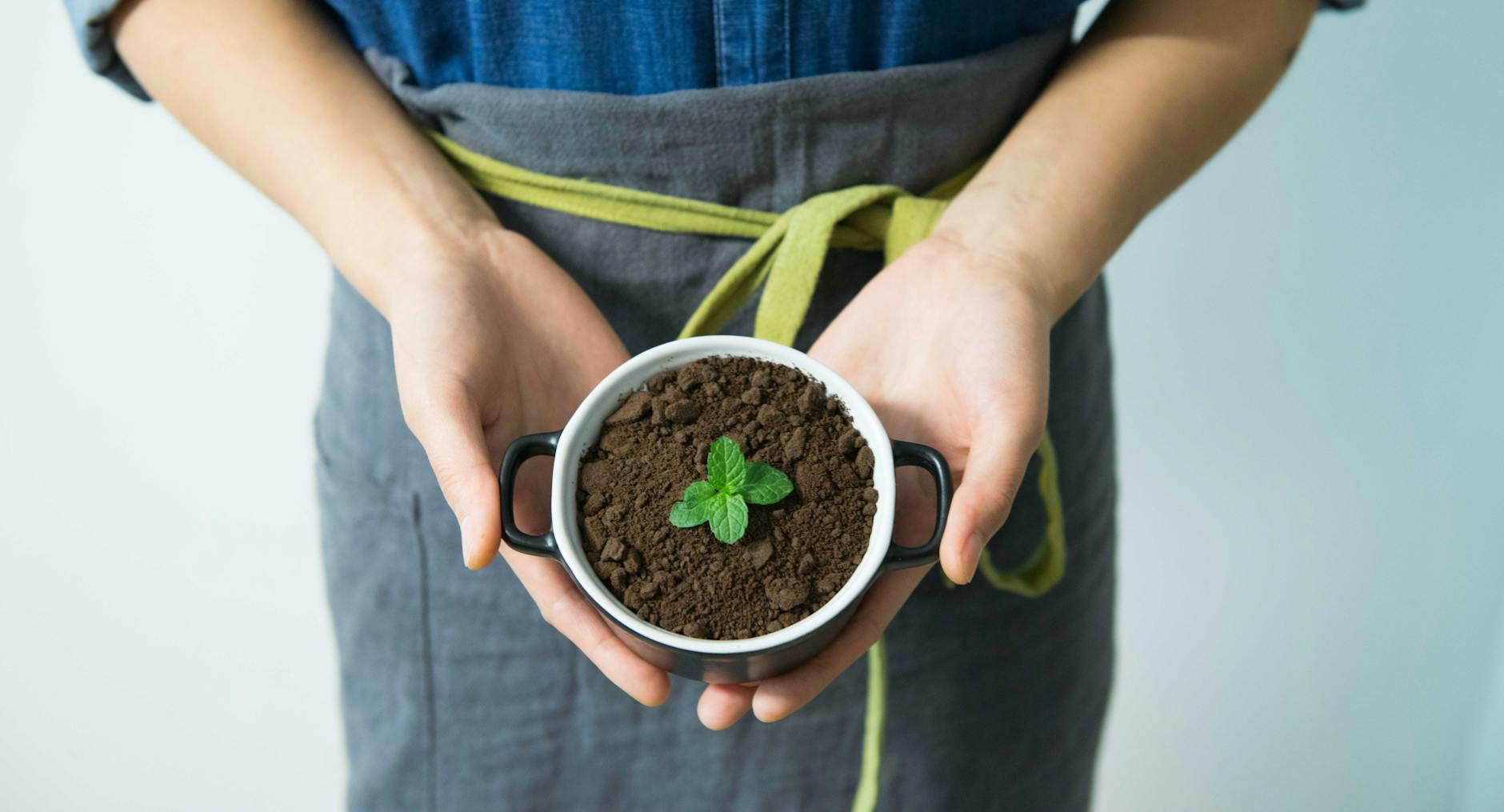
You are cultivating, on purpose, the ground of your life to support more than agendas and achievements. The abundance you are desiring cannot be confined to such trivial things. The greatest example is in our relationship with Christ.
Jesus promised us an abundant life (John 10:10). That abundance is not about forcing or focusing on things we can gain in this world or material wealth. The richest thing one can invest in to be more intentional with the life they have been given is more of Him. That cannot happen if we are always distracted by constantly doing and never taking the time to sit and be where He is (Luke 10:40-42).
He says, “Be still, and know that I am God…” (Psalm 46:10).
Cultivating slow living is not about shirking responsibilities or approaching life with a lackadaisical attitude. This is about valuing everything I have been given, especially the people in my life, and I want to care for each and honor each in a way that lets them know I esteem them, I am here for them, and I love them. I want to use this life in a way that pleases God by stewarding well what He has given me and not have my focus continually on climbing some invisible ladder of success.

Think about what pursuit has you running about at a hurried pace today? The Bible tells us, “He that followeth after righteousness and mercy findeth life, righteousness, and honour” (Proverbs 21:21).
It is so easy to get caught up in what has been dubbed “the rat race,” but our daily living is made for more. These days, people, and moments are gifts to us by our Heavenly Father and we are encouraged about how we spend our time with each (Ephesians 5:15, 16).
“To every thing there is a season, and a time to every purpose under the heaven”
Ecclesiastes 3:1

Changing what we pursue and how we pursue it will make our lives a lot less stressful. Take time today to slow down, prioritize, and recenter on what matters most. There is so much more to life, and we don’t want to miss it.
So, how do we make this change?
- Prioritize – Look where you are now and what you want your tomorrow to look like. To achieve your desired outcome, what can you let go of or shave down some so that you don’t always feel at your wit’s end. I can attest to the fact that often we take on more than we are capable of in any given season. Laying something aside right now doesn’t mean it’s not important; it just means it doesn’t fit in with the season of life I’m in right now. So we prioritize, bringing out the best without being overburdened with things that can wait.
- Recenter – Once you have strained out the main priorities for your right-now season, you can recenter and mark your path forward. When using a GPS, sometimes I look at the overview screen of the trip to see the highways and streets we must travel ahead of us. But when I need to get back to dealing with where I am currently on my journey, I need to hit the recenter button. While it’s okay to think about the future (the Bible encourages this often), we must also pay attention to where we are in our present moment. What needs our immediate attention right now? How much strength, time, and commitment can I put into this right now? These are important questions to ask. We often get hurried and over-stressed because we want to deal with all the right-now stuff the along with the what-ifs of the future stacked on top of it. Most of the daily things we deal with can be broken down into more manageable tasks and delegated to other times. It doesn’t have to be all or nothing (an attitude that overworks us).
- Go slow – take a deep breath and move forward at a manageable pace. There have been times I have prayed and asked God to help me steward this day or for the best way to handle the tasks in front of me. He, who is the “Ancient of Days” (Daniel 7:9), has the wisdom and strength your day needs. Trust Him with your schedule. We are given gifts to be productive, but remember, God, who is the Author of those gifts, is also the Author of rest (Genesis 2:2,3). Not just with the Sabbath, but throughout Scripture, His call to rest is a call to trust in what He is doing in your life during this season. We become filled with ideas and inspirations and want to put the pedal to the metal and give it our all. And that’s fine. But if you are feeling burned out and extremely overwhelmed, you have to question is this what God has for me in this season, or is it me rushing ahead? And if we feel it is the Lord’s leading, perhaps we need to revisit steps 1 and 2 to be sure we have shaved unnecessary things away for now.

Don’t be disheartened. Schedules often need to be revisited to see if everything we have going on right now is for our optimal good. Recently, I have personally had to revisit how I approach certain tasks, and it is helping me see that although I love my routines, some routines or expectations may not work for certain periods of life. We must be willing to move and adjust when feeling led or if we feel like this particular thing isn’t working for now, and trust God with the outcome.
We want to cultivate a life where we are productive under God’s grace without completely feeling exhausted and stressed as if we are being buried under the burden of each day’s demands. Sometimes, slowing down will help us to do just that. Enjoy this life God has given.
Blessings ~
Copyright © Word For Life Says.com (Sharing any posts or lessons can only be done through the share buttons provided on this site from the original posts, lessons, and articles only. You can reblog from the original posts only using the reblog button provided, or share using the share buttons provided from these social media platforms: Facebook, X, or Pinterest, etc., and they must be shared from the original posts only. All other repostings are prohibited. Posts and other items of interest found on this site MAY NOT BE COPIED AND PASTED, downloaded, uploaded, etc to another website or entity not listed (physical or electronic). See COPYRIGHT PAGE for more details.




 Word For Life Says...