All these words speak beautifully of the testimony of what I was brought out of. For if the conditions were optimal, then there would be no need for the rescue. If I was good where I was, there would be no need for a recovery.
History has repeatedly proven that there is a vast void one experiences in the life that is lived outside of this holy renewal. There is an intense longing that says, I need saving. And saving, He did.
Crushed and broken, Jesus gave His life for mine. The sacrificial atoning exchange took place. Not for me to question or be in doubt, but to walk bravely in the paths He has ordained for me. Not to fear, but with confidence, He instilled in me the strength to stand toe to toe with what is before me, declaring, I can, because He did.
In His redemption, I can experience a life that I would have never imagined. Not one centered around the benefits of the gains this world offers. But it is because of the blessing of newness of life He presents to me.
Those words, “being redeemed,” speak to me and comfort me, telling me of His surrender and offering of Himself. He paid for what I could not.
It was my life that needed the change. Still, He arranged it so that I would be the one to reap the benefits of the seed of Himself sown (John 12:24). That I might be a part of the fruit of that vine (John 15:5), attached to Him, nourished by the flow of life therein, and brought up that I might live eternally with my Savior.
Only His atoning work makes this possible. When He reclaimed my life with the giving of His, the longing has been satisfied, and the rescue has been eternally made. My path before I encountered such grace and mercy was dismal at best. But when He died for me and invited me to take of Him, my soul said, yes. And now I have been captured by this gift of love.
Take in, dear friend, all that He offers you. Take in His love. Take in His being. Take in His gift of deliverance, for it is an incredible feeling when He declares such a loving action fulfilled in your life. And you will never be the same again.
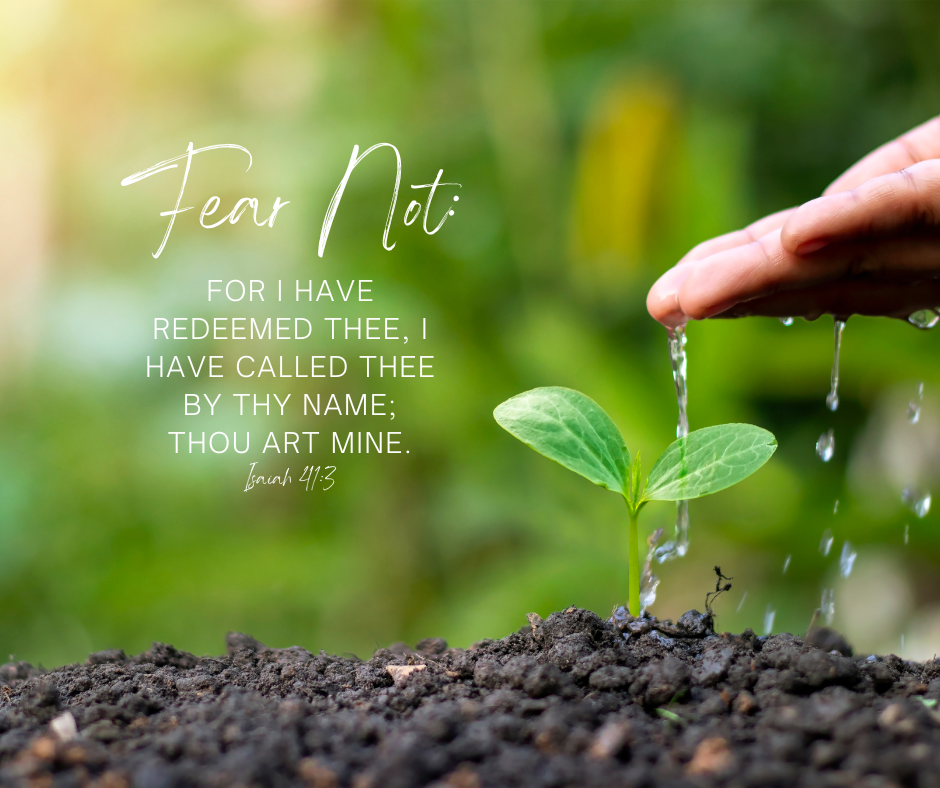
“…Fear not: for I have redeemed thee, I have called thee by thy name; thou art mine” (Isaiah 43:1).
If you like this devotional read, I’m sure you’ll love:
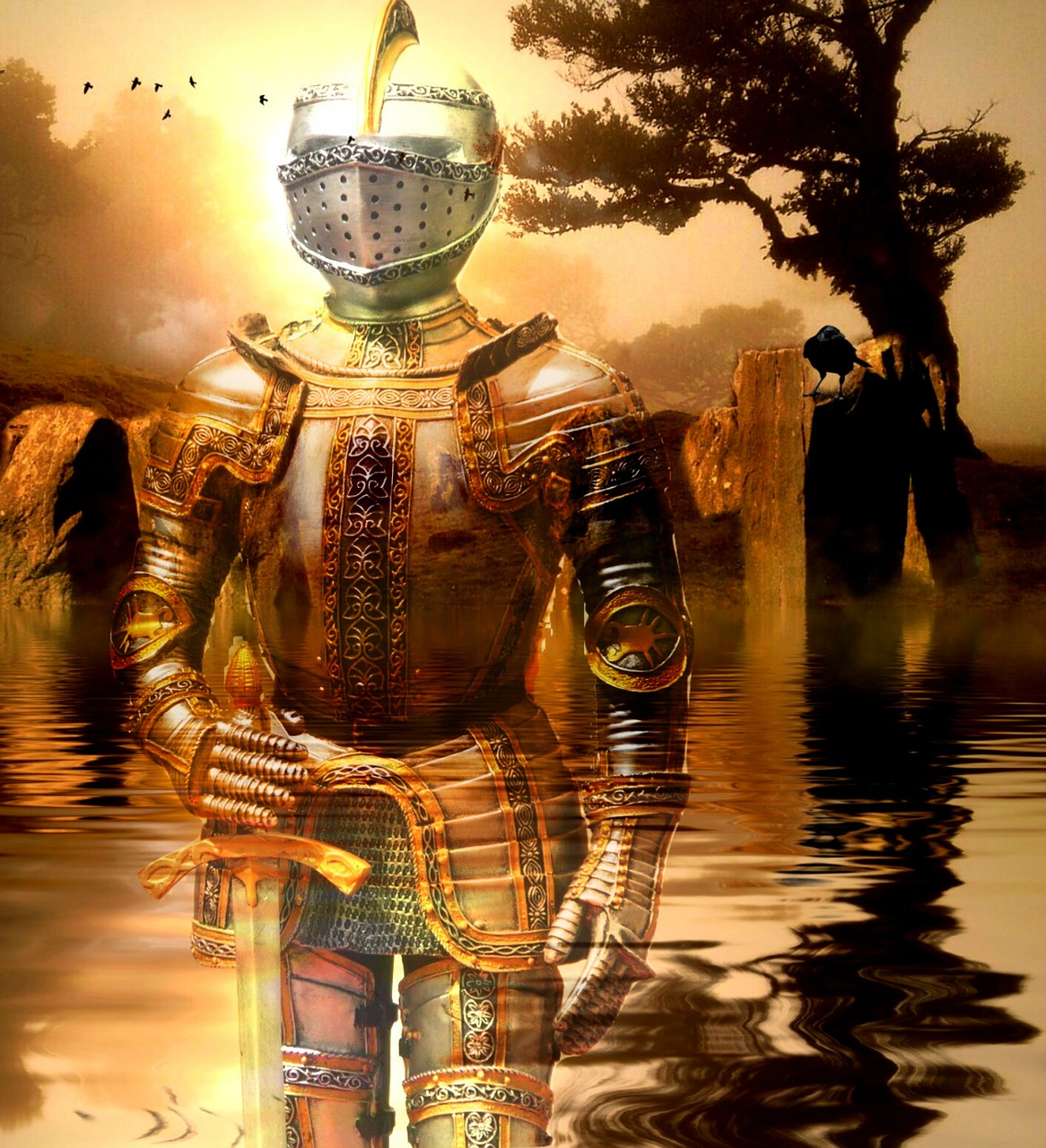
Sometimes a knight in shining armor just won’t do. You need the most powerful of the land, the King; Almighty God, to come to the rescue. Nobody can help you like He can. Nobody can love you like He can. Nobody can save you like He can. We need the King! Turn to the King – He’s waiting for you!
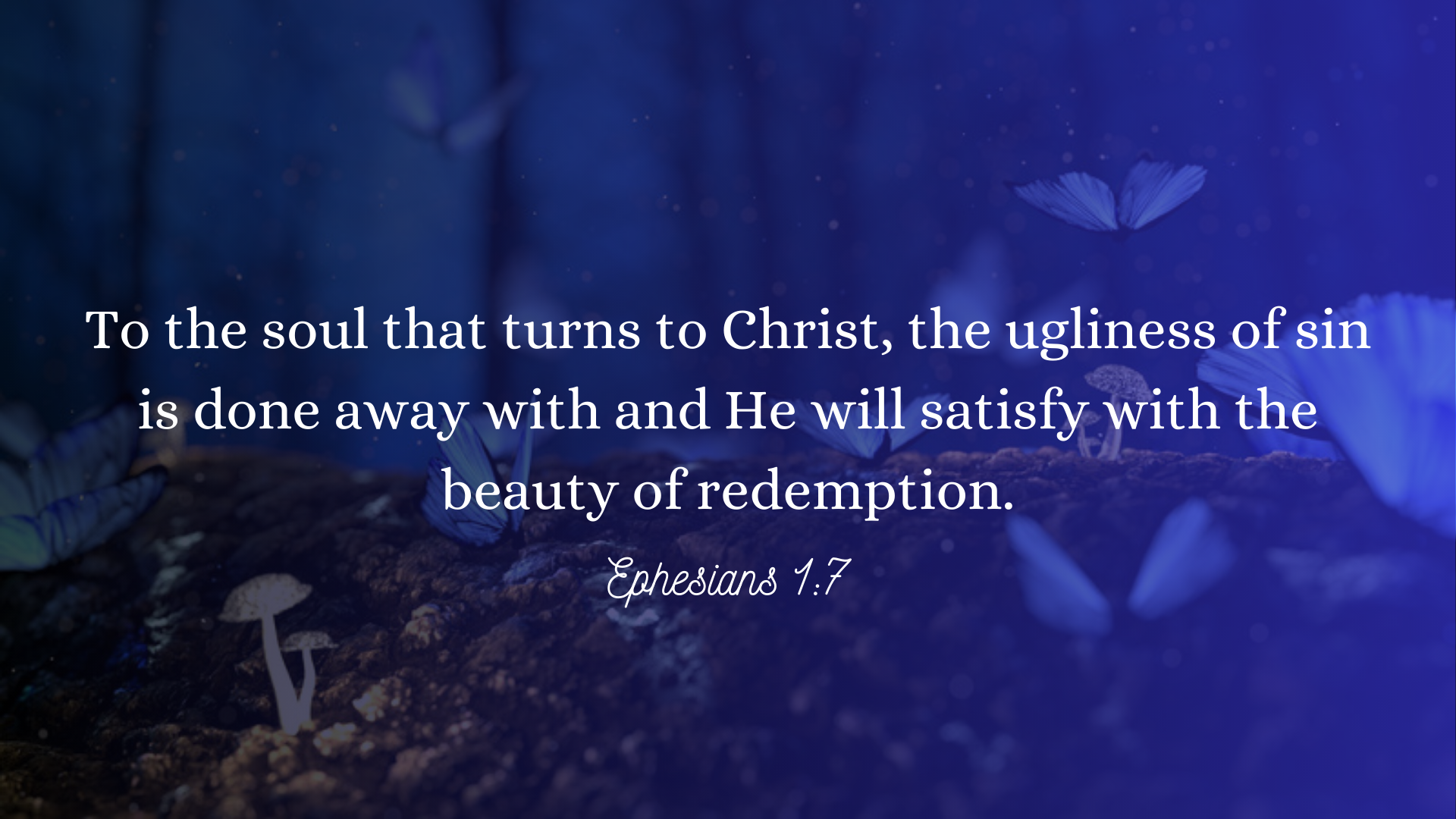
Corrie Ten Boom reminds us, “There is no pit so deep, that God’s love is not deeper still.” To the soul that turns to Christ, the ugliness of sin is done away with and He will satisfy with the beauty of redemption.
Oh, what a day that will be! The chains and the shackles of this world will be permanently loosed and true freedom will come once and for all. God’s people will rise to reign in victory because the Redeemer has come!
Even if things don’t look like their turning in your favor. Even if today doesn’t look better than yesterday. God, your Redeemer is alive and in charge. No matter what it looks like right now, believe HIM through it all!
Right when you need it the most, here comes that gentle nudge, that quick thought that interrupts the flow of the contrary winds you have been facing. It comes in with a positive light, shining in the darkness and calming us with the truth of His Word: God is faithful!
Like the still small voice, whispers of encouragement come from the Scriptures, strengthening you for the moment when you need it the most. The winds may blow and the seasons change, but our God will always remain the same, yesterday, today, and forever more (Hebrews 13:8).
God is faithful! Ah, my friend, you may have heard it before, but its truth will always serve to uphold the saints in their times of fair winds or stormy gales. Breath in His truth. Let it settle in your innermost being. Feel those words come alive in your heart. Fortify yourself in the faith and be confident as you move forward in Jesus’ name.
“Beloved think it not strange concerning the fiery trial which is to try you, as though some strange thing happened unto you,” 1 Peter 4:12
“Confirming the souls of the disciples and exhorting them to continue in the faith, and that we may through much tribulation enter into the kingdom of God,” Acts 14:22
One of the best things about being an avid reader is the happy ending that appears at the end of almost every book I read. When you first dive into a new book, you begin to get familiar with the characters and their life. Each turn of the page takes us along on their journey, revealing to us their joys and sadness, hardships and pain. By the time we reach those last few pages, everything has worked itself out. There’s almost always a reason for celebration and the typical “aww” moment, especially if you’re into romance novels.
That’s the great thing about books. They allow your imagination to soar, taking you into worlds you may not otherwise get a chance to explore. Your mind’s eye becomes connected to the writer’s vision for the book, and soon a vivid story begins to unfold before you. Though there are no pictures, illustrations begin to form, revealing all that is written therein. Television has its place – oh, but to read a book!
Whether it’s a movie, a television program, or a book, the stories we hear and see transport us, giving us a reprieve from reality. But when the last page is read or the screen goes blank, it’s back to reality. And reality isn’t always as picturesque as the stories we left behind. Sometimes love does not find its way. Sometimes the bad guy does get away. Sometimes the hero doesn’t make it home. Sometimes the disease doesn’t heal. Sometimes the child does not find their way home. Sometimes the friend does not stick closer than a brother, and so on.
Sometimes life is just not fun! I think more so than ever that we have not heard enough about the reality of life. Instead, we are raising up a generation of rose-colored glasses wearers. Even from the pulpit of most American churches, the messages of peace, prosperity, and wealth have taken over the reality of life. Jesus Christ Himself clearly stated that in the world you will have tribulation (John 16:33). Peace and blessings will come. Promises will be fulfilled, but our physical being is living in the world right now, and while we are here, we have to face the reality that everything, every day, is not going to be easy.
This philosophy breeds a culture of disillusionment. Romanticizing life leaves one totally off guard and taken aback when troubling times come. A hard life is a hard life, no matter which way you look at it, and when one is not ready in the least for it, the residual effects can be devastating. “We may through much tribulation enter the kingdom of God.” It is going to be hard sometimes.
“Beloved, think it not strange concerning the fiery trial which is to try you, as though some strange thing happened unto you,” 1 Peter 4:12. In other words, the test is going to be hard sometimes. Tests are not passed with a fly-by-night attitude. Tests are passed when people are prepared for them. But the wearer of the rose-colored glasses will have a harder time because the tests seem like a “strange thing” that has happened to them.
Listen, prepared or not, some things in life will just come out of the blue and whip your world around, causing you to say, “What the what?” It’s inevitable. The idea behind not romanticizing life is to expect the unexpected. We don’t want to lose out on those promises God has for us because we have the false illusion that nothing will ever happen to us.
The promises are coming, that’s a given. In John 16:33, after Jesus warned, “In the world ye shall have tribulation,” He also gave us cause to celebrate. He said, “But be of good cheer, I have overcome the world.” And after Peter wrote of the “strange thing,” he exhorted his readers with verses 13-14a. He said, “But rejoice, inasmuch as ye are partakers of Christ’s sufferings; that, when his glory shall be revealed, ye may be glad also with exceeding joy. If ye be reproached for the name of Christ, happy are ye; for the spirit of glory and of God resteth upon you . . .”
Oh yes, thank God for the promises. Every word that speaks of them is true. But don’t be surprised when we have to go through some stuff today before we reach those promises.
With negativity coming at us from all corners, it can sometimes become difficult to view our world, life, and circumstances through the lens of anything different. However, one of the blessings God has endowed humanity with is the ability to choose. We can choose what we invest our thinking energy into. We can choose what lens we will view our right now time and our future time through.
This idea of choosing a lens isn’t just theoretical—it became real for me during a trip. On a vacation, we had the opportunity to fly in a helicopter. The only problem with that is that I am not too fond of heights. To enjoy the experience (and it is something I wanted to do because I am trying to stretch myself in certain areas) and not to show how unnerved I was, while flying hundreds of feet above the ground, I chose to pick up my camera and view most of my experience through that lens. It made the flight more enjoyable. There were some moments of bravery when I lowered the lens, but when I felt uncomfortable with the heights, I would simply raise it again, choosing to view my experience in this manner.
Friends, as we are going through life, we are not blind to the real pain we and others may experience or those things that unnerve us or uncomfortable circumstances. The Bible tells us that in life there will be many different seasons we may face: “To every thing there is a season, and a time to every purpose under the heaven… a time to weep, and a time to laugh; a time to mourn, and a time to dance” (Ecclesiastes 3:1,4).
Regardless of the season, God gave us the power of choice, and we get to choose how we will take in what we see and experience. We get to choose how we deal with what is before us. We get to choose what we believe about what we see.
If one is always viewing adversity through the lens of self-pity and the like, then everything attached will bear the fruit of self-pity. The choice is ours. Or, we can flip our way of thinking like David did to correct his mindset amid adversity, saying, “Why art thou cast down, O my soul? and why art thou disquieted within me? hope in God: for I shall yet praise him, who is the health of my countenance, and my God” (Psalm 43:5).
How we view what we are going through and dealing with will be determined by how we choose to view it. Proverbs encourage us to, “Keep thy heart with all diligence; for out of it are the issues of life” (4:23). Therefore, we get to choose to be pessimistic about everything or optimistic.
Some things we face may be hurtful, but thank God, that’s not the end of our story. For the believer, our story is written in Jesus, in whom is our overcoming victory (John 16:33; 1 John 5:4), and in the story of His Word is where we find our strength. And that’s where we must lean, trust, focus, and anchor our hope.
Are you having trouble redirecting your thoughts? Consider adding the reading of these verses daily to your routine:
Philippians 4:6-9 “Be careful for nothing; but in every thing by prayer and supplication with thanksgiving let your requests be made known unto God. And the peace of God, which passeth all understanding, shall keep your hearts and minds through Christ Jesus. Finally, brethren, whatsoever things are true, whatsoever things are honest, whatsoever things are just, whatsoever things are pure, whatsoever things are lovely, whatsoever things are of good report; if there be any virtue, and if there be any praise, think on these things. Those things, which ye have both learned, and received, and heard, and seen in me, do: and the God of peace shall be with you.”
Romans 8:24-25, 28 “For we are saved by hope: but hope that is seen is not hope: for what a man seeth, why doth he yet hope for? But if we hope for that we see not, then do we with patience wait for it. And we know that all things work together for good to them that love God, to them who are the called according to his purpose.”
1 Peter 5:7 “Casting all your care upon him; for he careth for you.”
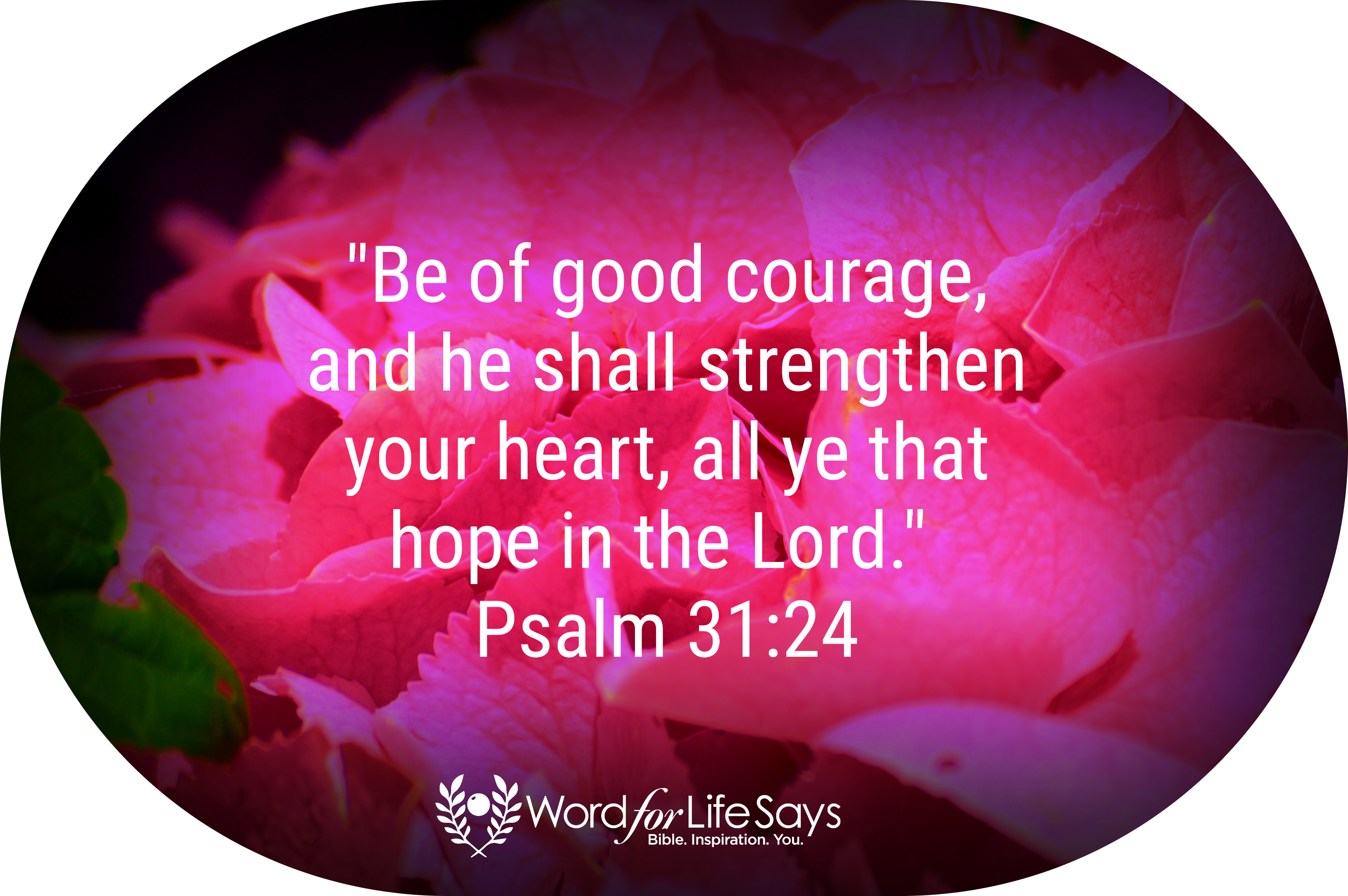
Psalm 31:24 “Be of good courage, and he shall strengthen your heart, all ye that hope in the Lord.”
What lens are you choosing to view your circumstances through today?
Lord, help us to keep our eyes on You and trust in the authority and promises of Your holy Word which grounds us in the right perspective for our lives no matter what we may face.
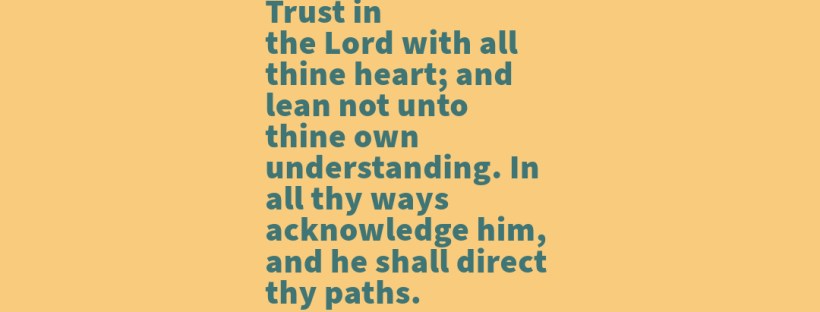
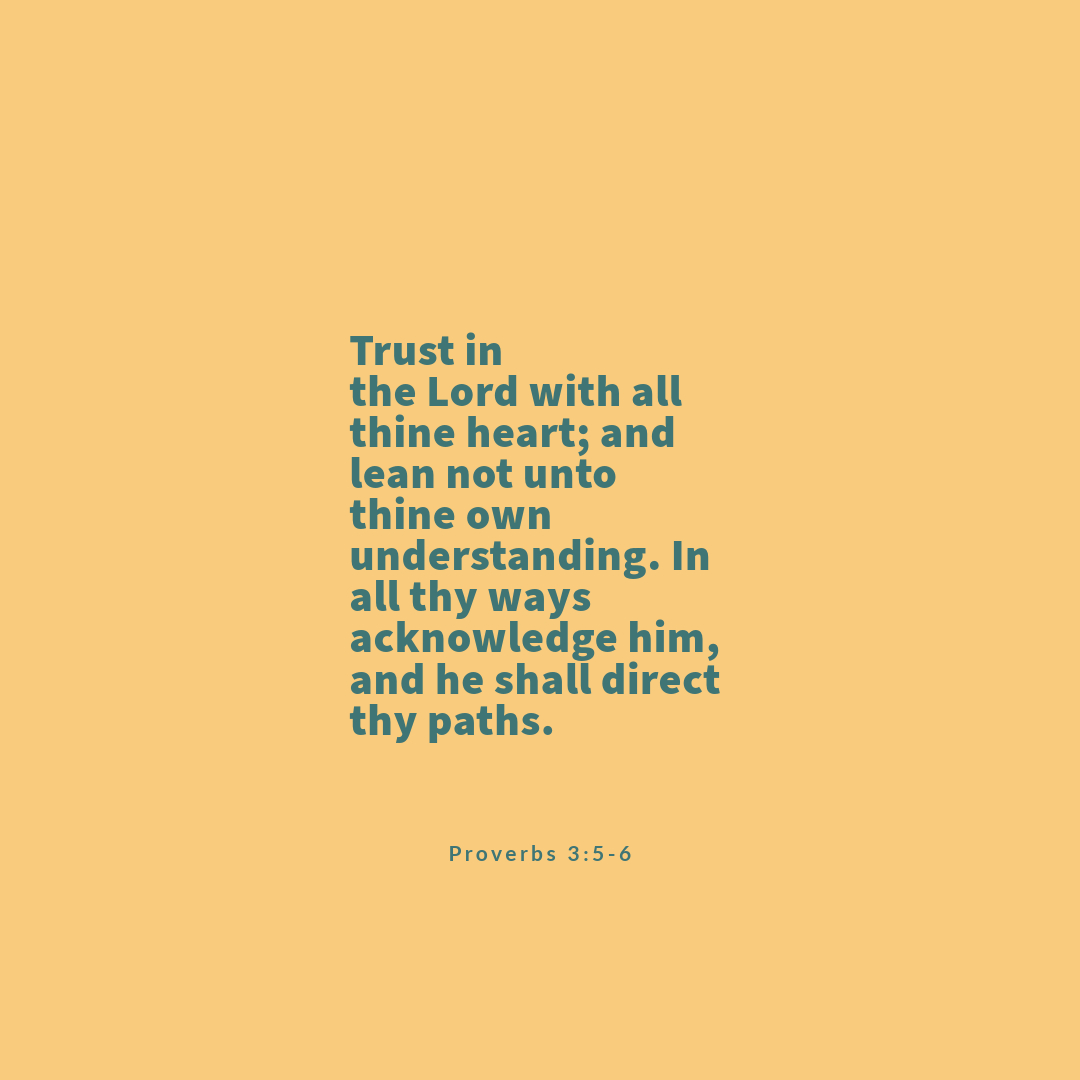
Friends, sometimes directions can get the best of us. Be it trying to find a destination, build a creative project, or bake a new recipe – directions come in handy because they tell us the best way to perform the tasks ahead to get the desired results we are hoping for. Some directions we may not understand until we get to the middle or end of a project and then we realize why they said to do a certain thing (and if you are like me, sometimes you have to pull it all apart and start over the “right way”). What’s true in the natural is even more true in the spiritual. Every instruction, correction, direction, or command we read in the Bible we may not understand, but one thing we can always understand is, that God knows what He is doing. He knows how to get the end results we desire. Our job today and every day is to just “Trust in the Lord with all thine heart; and lean not unto thine own understanding. In all thy ways acknowledge him, and he shall direct thy paths” (Proverbs 3:5, 6). God knows what He’s doing in your life.
“Keep thy heart with all diligence; for out of it are the issues of life.” Proverbs 4:23
Conversations of the heart. What is your heart speaking or what is speaking to your heart today? What inner dialogue is taking place? Is it a place of questioning? Is it a pondering some great point? Is what is being spoken there offering you peace and comfort for the days you are facing?
There, in the deepest recesses of your being, in the only place God and you know of, is an exchange of ideas, intentions, thoughts, opinions, and beliefs.
It’s where we form a picture of our lives. It’s where we store wisdom to draw from, love to explore, feel, and give, and it is also where we find encouragement for those less-than-perfect days.
Our hearts need a constant filling of the things that will nurture the inner man. For the soul of a man is fed from the fruit thereof.
Today, I offer you encouragement that will help strengthen the conversation of your heart. May the voice and power of Scripture speak where you need it most.
Blessings~
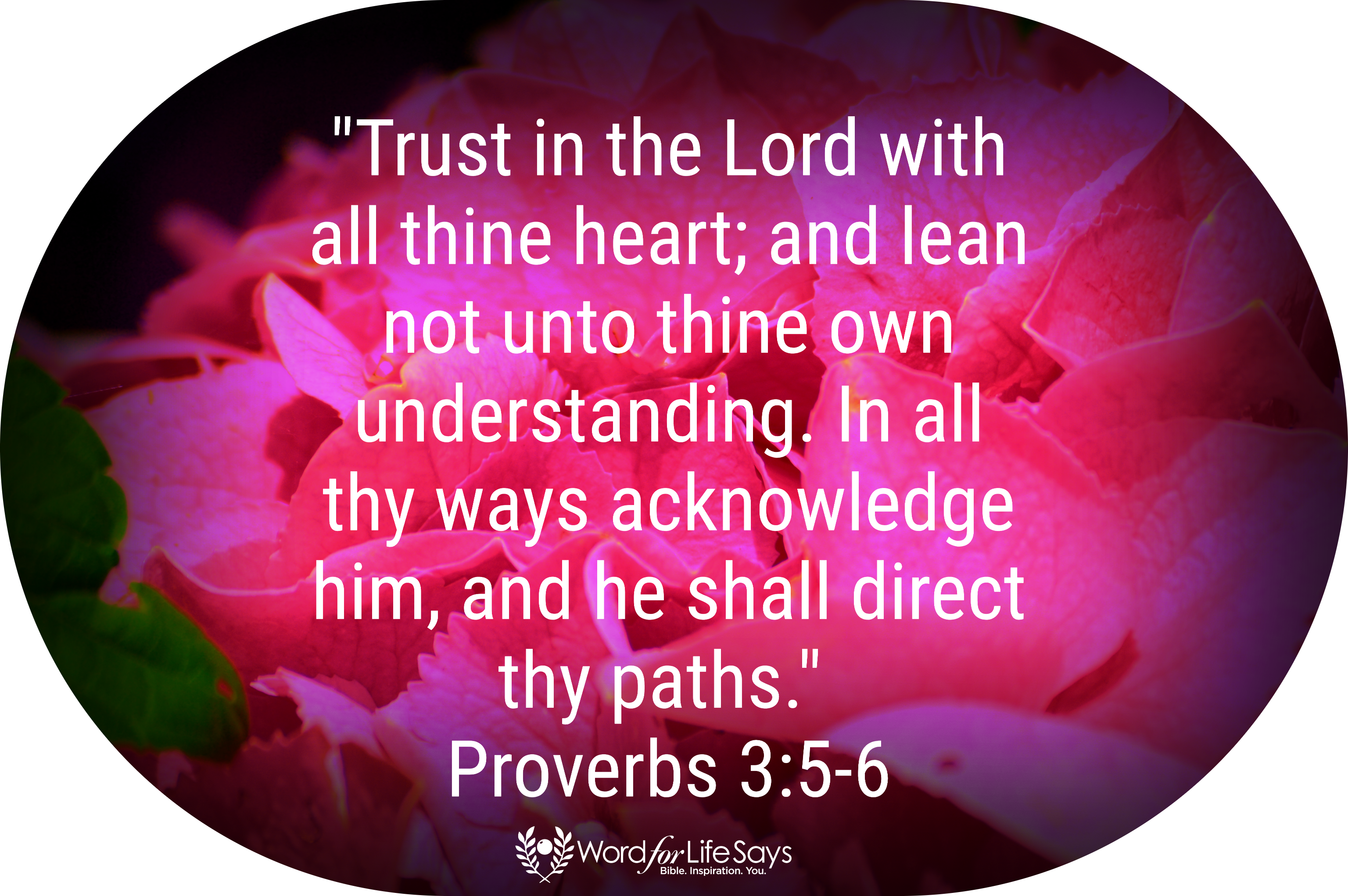
“Trust in the Lord with all thine heart; and lean not unto thine own understanding. In all thy ways acknowledge him, and he shall direct thy paths.” Proverbs 3:5-6
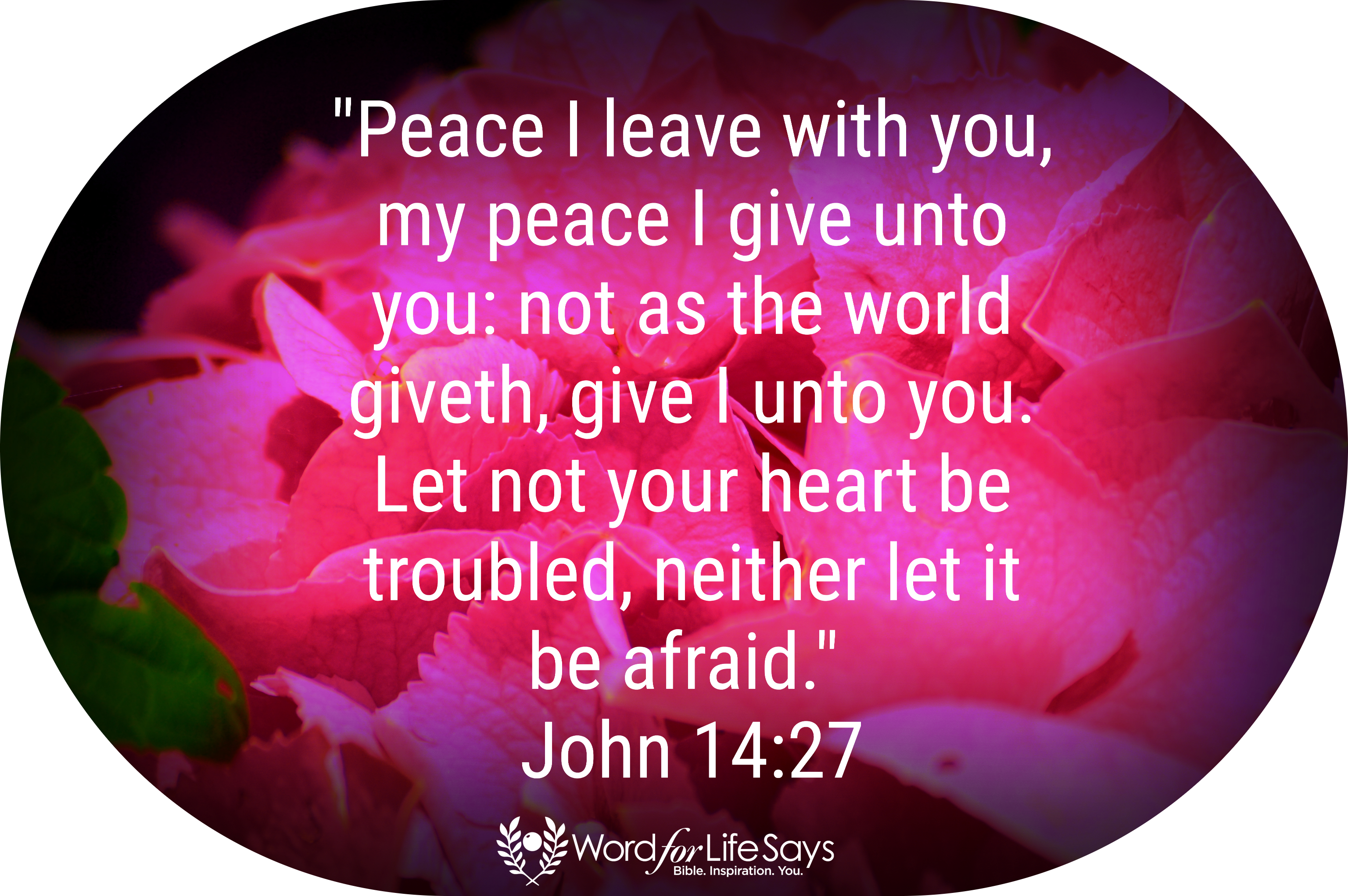
“Peace I leave with you, my peace I give unto you: not as the world giveth, give I unto you. Let not your heart be troubled, neither let it be afraid.” John 14:27
“Be of good courage, and he shall strengthen your heart, all ye that hope in the Lord.” Psalm 31:24
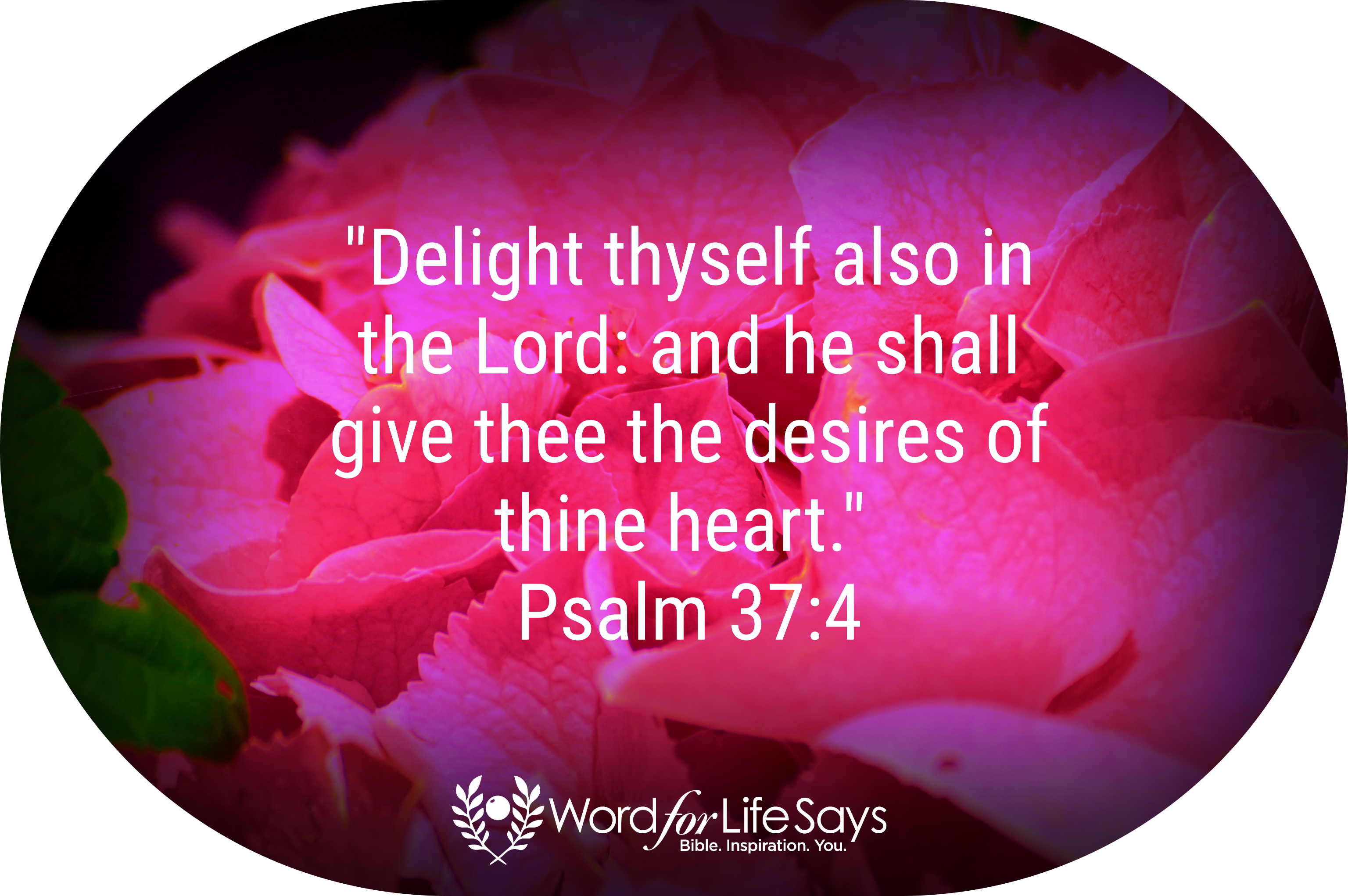
“Delight thyself also in the Lord: and he shall give thee the desires of thine heart.” Psalm 37:4
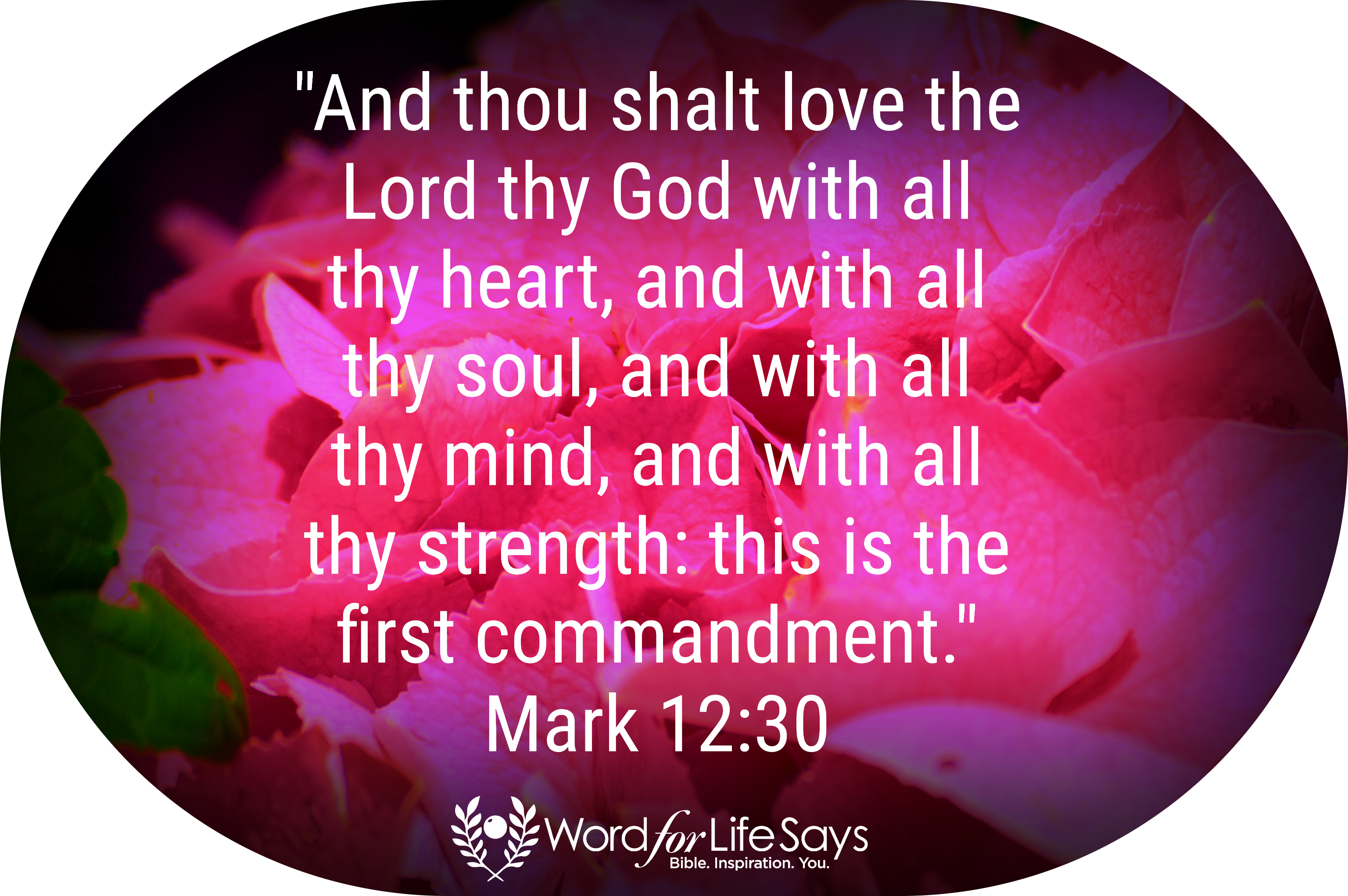
“And thou shalt love the Lord thy God with all thy heart, and with all thy soul, and with all thy mind, and with all thy strength: this is the first commandment.” Mark 12:30
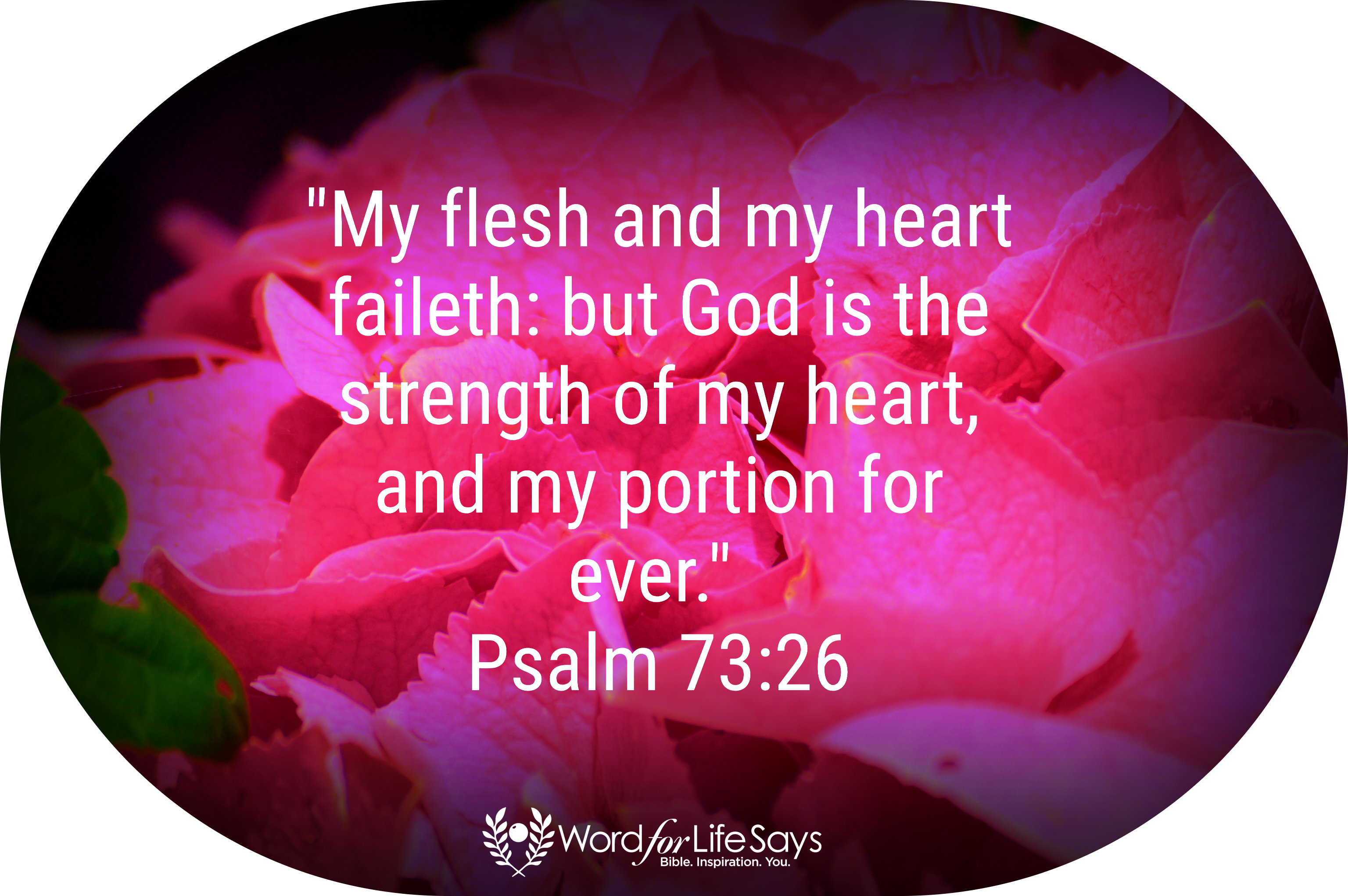
“My flesh and my heart faileth: but God is the strength of my heart, and my portion for ever.” Psalm 73:26
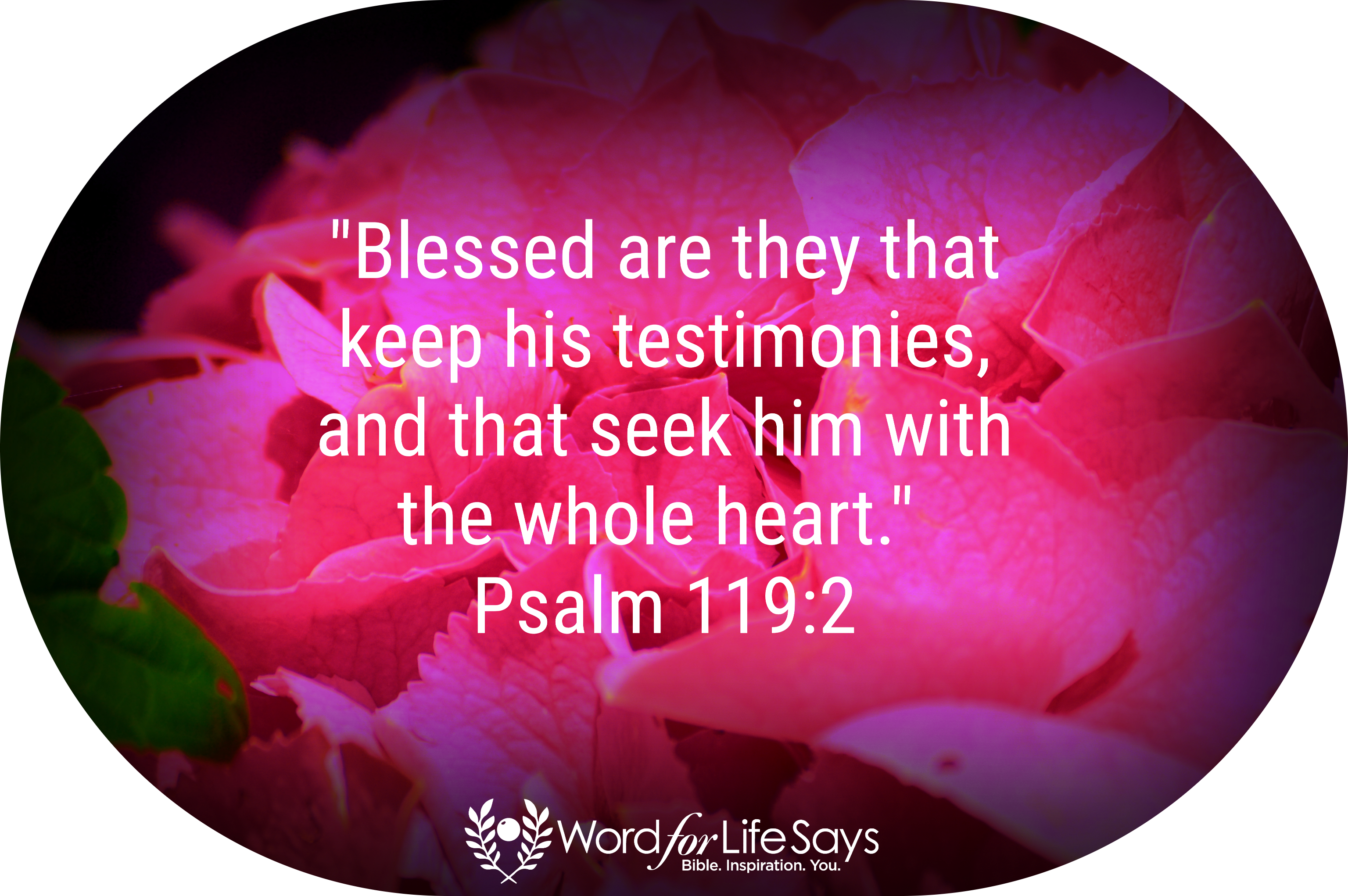
“Blessed are they that keep his testimonies, and that seek him with the whole heart.” Psalm 119:2
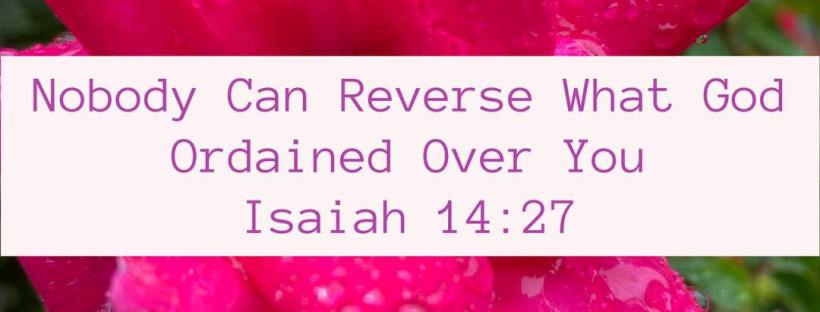
Many will try to speak verbally or non-verbally and suggest that you can’t. But when God is leading you and He puts His stamp of approval on your destiny; nobody, and I mean nobody, can reverse what God has ordained over you. Your job is to determine who you’re going to listen to.
“For the LORD of hosts hath purposed, and who shall disannul it? and his hand is stretched out, and who shall turn it back?” Isaiah 14:27
“For I know the thoughts that I think toward you, saith the LORD, thoughts of peace, and not of evil, to give you an expected end.”Jeremiah 29:11
”Trust in the Lord with all thine heart; and lean not unto thine own understanding. In all thy ways acknowledge him, and he shall direct thy paths.” Proverbs 3:5, 6
Winners and success stories, how often do we study their lives, habits, and choices to open a window to the possibility of implementing something in our lives that will benefit us.
Unfortunately, as the case usually goes, many examples come from a different direction or perspective in which we view life or in the course we want to take. Therefore, we will glean our lesson from the trusted source of God’s Word.
With that, we will look closely at the old familiar story of David versus Goliath. At the beginning of this story, the prospective winner has already been determined in the minds of those on both sides who attended that battle, and David is not their choice for a victor.
When Goliath was viewed, the world saw in him what they considered to be the ideal champion. They took into consideration his height, strength, weapons, and experience at war (1 Samuel 17:4-7, 33) and made what they thought was an accurate determination.
But across the Elah Valley, there was one whose stature and outward appearance weren’t as impressive, at least not to those who had drawn up for the standoff. He was considered meddlesome and nosy by even his brother (v. 28), too small and inexperienced for the fight.
What they did not consider was the unflinching faith David possessed on the inside. What they could not see about David was what marked him as a true champion for that time, and ages to come.
David possessed an uncommon confidence. (Vv. 23-32)
What do I mean by uncommon confidence? It really is as simple as it sounds. David’s character produced in him the ability to believe, to have an assurance that could not be matched by those around him. It is what caused him to stand out as someone uniquely special among the thousands gathered.
Taking the scene in perspective, daily the Israelites were challenged in their own faith through the tool named Goliath. As warriors dotted the landscape, when this massive man appeared, the men of Israel disappeared.
Physically they believed that they were no match to compete and win against this giant.
David, on the other hand, cared not for the man’s size or boast. His disdain for him was voiced when he said, “Who is this uncircumcised Philistine, that he should defy the armies of the living God?” (v. 26).
There was no flinching or fear in his actions or voice. He was 100% ready to confront this enemy and be done with him and his army: “And David said to Saul, Let no man’s heart fail because of him; thy servant will go and fight with this Philistine” (v. 32).
It takes an uncommon, extraordinary faith to see something or someone so big and choose to not focus on it.
David saw the same thing those around him saw, but he chose to process what he saw through a different filter: faith.
As the rest cowered in fear, David stepped up and offered to do what no one else, not even the king, was willing to do.
Foolhardy youth? No.
The seed of faith planted in him grew greater than any fear this foe hoped to instill. David knew who he belonged to, and he knew who he served.
Uncommon confidence bypasses the scene before one’s eyes and focuses on Who is really in charge.
David refuses the voice of doubt. (Vv. 33-37)
It is always your choice what you will allow in your hearing and your heart.
Doubt will speak if you give it a voice. Open the door just a little, and it will consume the whole room.
When David stated his declaration to fight the giant, the very next words he heard were, “Thou art not able…” (v. 33).
Talk about letting the air out of the balloon. But words such as these people hear all the time. Even if they don’t present themselves in the same wording, the idea arises to discourage and draw one’s attention to the can’t’s of life: you can’t do this because…, you are not able due to …
These “can’t” phrases can rob you of the hope to push past what you see, and if David had allowed, Saul’s words would have done just that and prohibited his progress against this enemy.
But David refused. Instead of words of improbability and fear, he leaned on his experience with God, which he already had (vv. 34-37).
David had been delivered by God through unbelievable situations before when encountering a bear and a lion. Both animals, I dare say, would even put Goliath to flight had he come upon them.
Ferocious as they were, they, nor Goliath, can outmatch God. David knew that God was the one who delivered him before, and He believed with his whole heart that He would do it again.
David refuses to fight like others fought. (Vv. 38-46)
Experience is a great teacher and there are things we can learn from the wisdom of others who have fought the battles of this life before us.
But Saul was at a standstill in his faith. Not only did he lack it in the progression toward Goliath, but also in the way he expected David to fight.
He wanted David to wear something that wasn’t designed for him.
David wasn’t built like Saul – not in body or belief. So, he couldn’t fight like Saul would fight.
God has blessed each of us with our own unique style and gifts to carry forth in faith. God knows each one individually and has blessed each one with individuality.
The way He chooses to work in or through another should not cause us to neglect what He has placed in us.
This is a strong part of the faith lesson.
David could have shrunk back in comparison because he did not fit Saul’s design, but he didn’t. He worked what God gave him, how God gave it to him.
Comparing our abilities against the line of another’s calling will not only diminish your faith, but it can bring you to a total standstill as it did Saul.
Devoid of armor not fit for him, David, with stones in his hand, pronounced with faith to the Philistine: “Thou comest to me with a sword, and with a spear, and with a shield: but I come to thee in the name of the Lord of hosts, the God of the armies of Israel, whom thou hast defied” (v. 45).
When David stepped on that battlefield, the real weapon he stepped up with was not found in his hand, but in his heart. It was a faith that Saul and the rest of Israel’s army lacked in their arsenal.
That’s why we can’t compare; it’s always the part of the fight that we cannot see that matters the most: the inside part.
David’s faith takes a stand and believes in God’s deliverance. (Vv. 46-48).
Jesus once spoke in rebuke to the Pharisees, saying, “Out of the abundance of the heart the mouth speaketh” (Matthew 12:34), and Proverbs instructs, “Keep thy heart with all diligence; for out of it are the issues of life” (4:23).
Those in the camp of the Israelites, their hearts were cowered in fear. But David’s heart brought him face to face with Goliath.
Unflinchingly, he took a stand, but he didn’t take a stand on his own merit. He took his stand based on what he believed in his heart about God: He is faithful.
David said, “This day will the Lord deliver thee into mine hand; and I will smite thee, and take thine head from thee; and I will give the carcases of the host of the Philistines this day unto the fowls of the air, and to the wild beasts of the earth; that all the earth may know that there is a God in Israel. And all this assembly shall know that the Lord saveth not with sword and spear: for the battle is the Lord’s, and he will give you into our hands” (Vv. 46-47).
In David’s heart, he knew this was not about him or what he could bring to the fight. “The battle is the LORD’s!”
Our hearts are considered to be the very center of our being. And in that center, David made sure God was the center.
In his life and in his fight, not himself, his circumstances, wants or desires were brought to the forefront. No, but the Lord God Almighty was his focal point.
Are we moving forward with hesitant steps because God is not the center of our progress?
True faith will always be a heart issue. With that, he moved forth in complete confidence: “David hastened, and ran toward the army to meet the Philistine” (v. 48).
Where others hesitated, David quickened his steps – again, with no backing down. His heart would not accept decrease, but it seemed at every avenue he traveled in his life, his heart of faith grew more and more because he sought to put God in the center more and more.
David used his personal gifting. (Vv. 49-50)
Earlier we discussed David refusing armor that was not fit for him. Here, we focus on what is.
David had a unique way that he would face his giant, and it was going to be by using something small and seemingly insignificant.
Many struggle with their individual giftings. Compared to others, it may not seem big enough, influential enough, or polished enough. “If I could just _______, I would be able to _______” (you fill in the blank).
Every believer is gifted by God. But every believer may be gifted differently. When David stepped out with his little stones, I wondered what the onlookers thought.
To him, it didn’t matter. What mattered was being himself before God. This was his design. This was his gift. This is what he knew how to do well.
In a world surrounded by trends and social media, it takes bravery to be yourself. You will never succeed at being anyone but you.
Use what God gave you in faith, no matter how small it appears, and leave the results to Him.
Faith wins. (v. 51)
Little David slew the big giant. Not because he was smarter or stronger, but because every step he took in the process was a step of faith.
When any questioning arose or doubt was uttered, David continued forth in faith. He never gave the space of his heart permission to think about or adhere to anything else.
Some of our favorite faith verses remind us that: “Now faith is the substance of things hoped for, the evidence of things not seen” (Hebrews 11:1), and “Without faith it is impossible to please him: for he that cometh to God must believe that he is, and that he is a rewarder of them that diligently seek him” (Hebrews 11:6).
Together, these tell us what faith is and what faith does: it goes on and believes God regardless of what is seen or not seen. And that’s what David did. He didn’t have faith, which was just talked about. His faith moved him into action to do something despite how the circumstances appeared.
Father God is in the business of stretching our faith. Bringing us to places or before situations we may view as strange, unimaginable tasks to conquer. He has something He wants to fulfill on the other side of that stretching moment but we, like David, must commit to the follow through in faith.
Faith is the access key to everything God wants to do in our lives.
Is your faith being stirred for more today? What are some hindrances to growing your personal faith?
Walking in faith and choosing to follow God by faith will carry you further than your own plans ever will.
But don’t be surprised if the victory you are anticipating comes in a way that you least expect it. Often God’s view of how something is or is to be will look much different than our own.
Nevertheless, David felt prompted to move on God’s behalf because of his sold-out relationship with God. He approached Goliath with an all-in attitude.
Retreating was never an option in his book. And even though David would go on to face other challenges (such as being on the run from King Saul), he still had space in his heart and repertoire to pen the words that would encourage himself and many hearts through fearsome trials, saying, “The Lord is my light and my salvation; whom shall I fear? the Lord is the strength of my life; of whom shall I be afraid?” (Psalm 27:1).
That is faith language at its best. But remember, David backed his talk up with action. He lived a life operating with an all-in faith and you can, too.
Please Note: Ads below or referenced on this site are prefabricated and mass-produced (of which I currently have no control over) and DO NOT necessarily represent the views and/or beliefs of this site and its admin.
Have you ever witnessed the taffy-making process? It is a very interesting process to watch for sure. After mixing sugar and other ingredients together, you are left with this massive blob of sweet goodness lying on the work table.
What can one possibly do with such a non-conformative mess? You can stretch it and pull it until it becomes a pliable consistency to be used for the sweet creation you had in mind. Whether by hand or through the use of a machine, eventually the blob will yield to the purpose and intended design, becoming something very useful and delicious to the one who created it.
My friend, you and I are the sweetness of God’s Creation. So much so, in the beginning, He said, “Let us make man in our image, after our likeness…” Genesis 1:26. There is something genuinely sweet and uniquely beautiful in the reality that the God of all creation wanted a special creature in His “likeness.”
Sadly, this beautiful, sweet creation has been tainted, corrupted, and susceptible to the dregs of sin this world produces. But that doesn’t stop the story. Thank God!
There is something more in the eyes and in the heart of the Father for this lowly being. He still sees the possibility of all they can become and with His holy hands, He begins His own process of pulling and stretching. And like the taffy maker, He’s watching, and working, and drawing hearts near for the end result – a sweetness we can never feel, experience, or imagine on this side of glory.
But as with the blob of candy turned treat, there must be a willingness to yield to the pulling and stretching work God wants to perform in you and through you.
The question is, will you truly let God have His way in your life. Oh, I know the sentiments we say, the songs we sing, and the prayers we pray – but when it’s all said and done, as uncomfortable and sometimes painful, will we yield our all I holy surrender to become those sweet creations?
“But be ye doers of the word, and not hearers only, deceiving your own selves.” James 1:22
“Submit yourselves therefore to God. Resist the devil, and he will flee from you.” James 4:7
“I beseech you therefore, brethren, by the mercies of God, that ye present your bodies a living sacrifice, holy, acceptable unto God, which is your reasonable service.” Romans 12:1
“For I know the thoughts that I think toward you, saith the Lord, thoughts of peace, and not of evil, to give you an expected end.” Jeremiah 29:11
“There are many devices in a man’s heart; nevertheless the counsel of the Lord, that shall stand.” Proverbs 19:21
“But ye are a chosen generation, a royal priesthood, an holy nation, a peculiar people; that ye should shew forth the praises of him who hath called you out of darkness into his marvellous light.” 1 Peter 2:9
“I will praise thee; for I am fearfully and wonderfully made: marvellous are thy works; and that my soul knoweth right well” Psalm 139:14, and it istruly a sweet thing.
“To the praise of the glory of his grace, wherein he hath made us accepted in the beloved. In whom we have redemption through his blood, the forgiveness of sins, according to the riches of his grace.” Ephesians 1:6, 7
Sin is ugly and has been a battle mankind has fought since the Fall. Sin is an intrusion into this world and our lives. It was never supposed to be a part of the program nor was it supposed to act like it has dominion, because it doesn’t.
God has the final answer for sin. The psalmist declared, “Iniquities prevail against me: as for our transgressions, thou shalt purge them away,” (Psalm 65:3). The word “purge” means to clean out, to get rid of, and eradicate it from the vessel that was holding it.
Although there is no possible way for a man, woman, or child to get right before God on their own, when that person brings themselves before the only true God who can do the holy restorative work needed in that life – they can become clean. He will purge it from that trusting life. There is forgiveness and redemption found in God.
In Isaiah, He says, “Come now, and let us reason together, saith the LORD: though your sins be as scarlet, they shall be white as snow; though they be red like crimson, they shall be as wool,” (Isaiah 1:18). God has the means to do away with all iniquities and transgressions, and His name is Jesus: “In whom we have redemption through his blood, the forgiveness of sins, according to the riches of his grace.” Ephesians 1:7
David, the author of Psalm 65, quoted above and below, knew personally what it was like to be on the receiving end of God’s forgiveness. He knows what it’s like to be taken in a fault and feel overwhelmed in this battle against sin. He knows that God is to be praised because He is the one who has made atonement for the sins of mankind (read entire Psalm 65).
Recognizing the wonder and beauty of it all, he writes: “Blessed is the man whom thou choosest, and causest to approach unto thee, that he may dwell in thy courts: we shall be satisfied with the goodness of thy house, even of thy holy temple,” (Psalm 65:4).
“Blessed;” happy and full of joy is the one who is allowed “to approach unto thee.” This individual has received God’s answer to the sin problem of this life. The barrier that those iniquities and transgressions caused between man and God has been pulled down, and now, that one has open access to the Almighty. Therefore, they are “blessed.”
“That he may dwell in thy courts” gives the impression of permanence. The bond between the redeemed and the Redeemer has been sealed and solidified with everlasting love through the ever-saving blood of Jesus Christ. The usage of the word “courts” brings the repentant heart to where He is. Those blessed individuals are so because they have been welcomed to enter into the realm of His holy Majesty. The “blessed” have become holy courtiers in His kingdom. With the lifting of the plague of sin that blocks the unbelieving from entering, this one who has received forgiveness can enter those holy grounds on the premise of His grace: “For sin shall not have dominion over you: for ye are not under the law, but under grace” (Romans 6:14; see also Ephesians 2:8).
David continues to write, “We shall be satisfied with the goodness of thy house, even of thy holy temple.” God satisfies with “goodness” those who come to Him (see also Psalm 36:8). With the inclusion of the word “we,” King David also applies this to himself as being on the receiving end of the blessings that flow from God. With the dissatisfaction of dealing with everything wrong in this life, he looked forward to a day when he would know the sweet, uninterrupted joy of His “goodness” continually and freely flowing upon him.
This goodness is found where He is; in His “house, even of thy holy temple.” As much as sin and iniquities have tried to prevail or overwhelm – more so will His goodness overshadow and satisfy us when we repent. Corrie Ten Boom reminds us, “There is no pit so deep, that God’s love is not deeper still.”
To the soul that turns to Christ, the ugliness of sin is done away with and He will satisfy with the beauty of redemption.
“Giving thanks unto the Father, which hath made us meet to be partakers of the inheritance of the saints in light: Who hath delivered us from the power of darkness, and hath translated us into the kingdom of his dear Son: In whom we have redemption through his blood, even the forgiveness of sins.” Colossians 1:12-14

















 Word For Life Says...