

Sunday School Lesson – “No Respect of Persons” James 2:1-13

VERSE DISCOVERY: James 2:1-13 (KJV, Public Domain)

We all remember those playground days when the team captains stood in the front of the group declaring in order the people that were worthy to be on their team.  One by one they would call out the names, from the greatest to the least that would help them win the game.  Sometimes this decision was not made on ability so much as favoritism.  Some in the crowd dared not look up, afraid of the desperation showing in their eyes of not being called last again.

This playground mentality humiliated some for the benefit of others, something James would not let Christians get away with in the church. 

In light of one verse that says, “But we are all as an unclean thing, and all our righteousnesses are as filthy rags” (Is. 64:6a), how would we feel if God looked at our sin-stained status and judged us unworthy to receive His favor?  Let’s get into this lesson so that we may learn to appreciate all that God has done for us and that we might learn to express kindness toward one another by not yielding to the unfair preference of some while willfully neglecting others.

Favoritism is Not Allowed

James 2:1 “My brethren, have not the faith of our Lord Jesus Christ, the Lord of glory, with respect of persons.”

“Have not the faith of our Lord Jesus Christ . . . with respect of persons.”  Let us view our “faith” in light of what it really is.  We were no good before Christ or had any goodness of our own to speak of or rely on.  We have no righteousness of our own, Philippians 3:9.  Our world before our faith in Christ is described as “dead in trespasses and sin,” (Eph. 2:1).  We were not fit for a heavenly home.

But, “He was delivered for our offences, and was raised again for our justification,” (Rom. 4:25).  Christ is He “Who his own self bare our sins in his own body on a tree, that we, being dead to sins, should live unto righteousness: by whose stripes ye were healed,” (1 Pet. 2:24).  Knowing what He did for us and where He brought us from, we are commanded not to use our faith as an occasion to have “respect of persons.”  One is not to use their time of assembling together to belittle some and exalt others through outward-appearing preferences of whom we count worthy or not.

James 2:2-4 “For if there come unto your assembly a man with a gold ring, in goodly apparel, and there come in also a poor man in vile raiment; And ye have respect to him that weareth the gay clothing, and say unto him, Sit thou here in a good place; and say to the poor, Stand thou there, or sit here under my footstool: Are ye not then partial in yourselves, and are become judges of evil thoughts?”

The word “partial” speaks of prejudice.  Prejudices come in all shapes and forms.  Regardless of how it comes, it seeks to pass judgment on another based on what one sees or perceives on the outside without knowing the person, their inside story, or their situation.

In this lesson, “partial” or the prejudices spoken against revolve around the unfavorable preference for those who are rich over those who are poor.

“Goodly apparel” versus “vile raiment.”  These were the precursors James is addressing by which men “become judges of evil thoughts.”  Outward appearances became the criteria by which one determines where one is worthy to be seated.  If this is the case, then those to whom James is writing can themselves be classified as one who shows that in their way of thinking they are “then partial in yourselves.”  A wrong spirit of dividing and categorizing people based on a superficial standard dwells in them.

It is so easy, by human standards, to fall into the trap of viewing with the eyes and judging one’s status.  This is called “stereotyping,” when one thinks they know you by how you appear on the outside and places you in a certain category and determines for themselves, based on nothing else, that is where you belong.

Even the prophet Samuel fell into this dangerous mindset in searching for the next king of Israel.  Judging by the mighty men before him, one of these, all appearing to fit the outer criteria, had to be the one.  God rebuked such notions and told him, “Look not on his countenance, or on the height of his stature; because I have refused him: for the LORD seeth not as man seeth; for man looketh on the outward appearance, but the LORD looketh on the heart,” (1 Sam. 16:7).

With such a profound biblical example of exactly what James is teaching, let us take heed to this warning found in Leviticus 19:15 which says, “Ye shall do no unrighteousness in judgment: thou shalt not respect the person of the poor, no honour the person of the mighty: but in righteousness shalt thou judge thy neighbor.”  Our fair and just God wants us to mimic His holy character and treat others fairly without personal preferences.

Our faith is founded in Christ, who Himself said, “Judge not according to the appearance, but judge righteous judgment,” (Jn. 7:24).  Place seating, such as was the case that James is confronting, according to “goodly apparel” versus “vile raiment” is judging “according to appearance.”  It is sizing up people according to what they can afford to buy or do for another.

This is unjust thinking.  God wants equal opportunity Christians for God Himself shows no partiality, Romans 2:11.  His Son, the Lord Jesus Christ, came and died so that the whole world, not just some specific groups whom others count worthy, might be saved, John 3:16.  When one goes against His basis of salvation and is biased in showing partiality according to what is seen on the outside of a man, they “become judges of evil thoughts.” 

Fulfill the Royal Law

James 2:5 “Hearken, my beloved brethren, Hath not God chosen the poor of this world rich in faith, and heirs of the kingdom which he hath promised to them that love him?”

“Hath not God chosen the poor of this world rich in faith, and heirs of the kingdom?”  Jesus once taught, “The life is more than meat, and the body is more than raiment” (Luke 12:23).  Yet, these temporary things are what people strive for the most to achieve.  One can have all the treasures in the world and “is not rich toward God,” (Luke 12:21).  These persons shall never inherit His “kingdom” in that coming day.

Those whose boast is in their material wealth, those whose pride rests in all they have acquired, are lacking the most important thing to enter that kingdom: a “love” relationship with “Him.”  Revelation 3:17 shows how the accumulation of things will never satisfy that holy requirement: “Because thou sayest, I am rich, and increased with goods, and have need of nothing; and knowest not that thou art wretched, and miserable, and poor, and blind, and naked.”

In other words, according to the world’s system of judging success, these individuals thought they had what it takes to enter that “kingdom.”  Yet, they were really the ones who lacked the most.  Jesus’ instructions were, “I counsel thee to buy of me gold tried in the fire, that thou mayest be rich…” (Rev. 3:18).  Jesus is and has been proven to be the only way to enter that “kingdom” and He wants people to depend on a “love” relationship with Him, not material possessions.

Matthew 5:3 also tells us, “Blessed are the poor in spirit: for theirs is the kingdom of heaven.”  Those who recognize their depravity are prone to be more dependent on the grace of another, be it in the natural or spiritual.  The natural poor have nothing great to boast of, no apparent accumulation of goods and accolades to give just cause to receive favor.  The same is true for the spiritually poor.  These are usually the ones marked as being “rich in faith” because they depend on what God can do and has done for them, and not their own selves or riches.

James 2:6-7 “But ye have despised the poor.  Do not rich men oppress you, and draw you before the judgment seats?  Do not they blaspheme that worthy name by the which ye are called?”

James drew his readers in to really examine their unjust actions.  Their inequality of treatment toward the “poor” was wrong and they did their fellow man a great disservice by despising them.  This treatment of being “despised” for their lack goes beyond just making them feel rejected; rather, through their preference for the rich they are showing hatred toward the “poor.” 

To James, this made no sense because it is the rich who are always at enmity with them.  He questions them, “Do not the rich oppress you, and draw you before the judgment seats? Do not they blaspheme that worthy name by the which ye are called?”  This, to him, was all backward thinking.

Those in power and authority often act with great contempt toward the common man and sometimes toward God also, thinking their status in life affords them special privileges above others.  They would “oppress” their fellow man and take them to court, using their wealth to gain favor not normally available to the poor.

If you will allow me to paraphrase, James said, “Not in here.  Not in the church.”  This is a place for all humanity to humbly submit in worship before the Lord and no partiality is allowed, no respect of persons.  When they come into this building, the only thing that matters is what the inner man possesses and professes, and not their outward possessions.

James 2:8-9 “If ye fulfill the royal law according to the scripture, Thou shalt love they neighbour as thyself, ye do well: But if ye have respect to persons, ye commit sin, and are convinced of the law as transgressors.”

“If ye fulfill the royal law according to scripture.”  One day, a lawyer thinking to trip Jesus up on His words, asked, “Master, which is the great commandment in the law?” (Mt. 22:36).  Jesus took no time in answering him and immediately said, “Thou shalt love the Lord thy God with all thy heart, and with all thy soul, and with all thy mind.  This is the first and great commandment,” (Mt. 22:37-38).

But Jesus did not stop there.  This was a prime teaching opportunity to let them know how they treat people matters.  Therefore, He went on to say, “And the second is like unto it, Thou shalt love thy neighbor as thy self” (Mt. 22:39), words James also reminds them of.

Treat people as you would want to be treated.  The Bible tells us “God is love” (1 John 4:8), therefore, those that belong to Him should operate in love also.  Love is an energy that supplies the deepest crevices of man, filling a longing that has been present since conception. Everybody wants to be loved, no matter their status in life, and the church should be a supply source of His great love.

“But if ye have respect to persons, ye commit sin.”  In Matthew 22, when Jesus listed these two greatest commandments He also stated, “On these two commandments hang all the law and the prophets,” (vs. 40).  How we treat people really does matter.  Showing “respect” to one who seems more affluently endowed could cause unfair actions toward those who are not, thereby committing sin.

Think about it.  One of the greatest commandments spoken by our Lord was focused on how we treat others.  To go against that grain of the love that He lived and died for is to go against Him.  When one chooses to side with the rich (or any unjust group), they choose to partake in the characteristic of oppression that exudes from that individual.

James 2:10-11 “For whosoever shall keep the whole law, and yet offend in one point, he is guilty of all.  For he that said, Do not commit adultery, said also, Do not kill.  Now if thou commit no adultery, yet if thou kill, thou art become a transgressor of the law.”

Sin is sin!  If one treats his fellow man wrong in any of the ways the Word of God lists, he is just as guilty as if he had committed any other sin.  Therefore, he is teaching Christians to avoid it.  Don’t do it.  Do not behave in or mimic these practices.  It is not just an unpleasant way of acting – it is a sin!

One can cross every supposed “T” and dot every “I” of the law, but if “they offend in one point, he is guilty of all.”  “All unrighteousness is sin,” exclaims 1 John 5:17.  If it goes against God’s commands, it is sin no matter how small or large we may view it.  “For thou art not a God that hath pleasure in wickedness: neither shall evil dwell with thee,” the psalmist said in Psalm 5:4.  God hates all sin, Psalm 11:5.

Mercy Receives Mercy

James 2:12-13 “So speak ye, and so do, as they that shall be judged by the law of liberty.  For he shall have judgment without mercy, that hath shewed no mercy; and mercy rejoiceth against judgment.”

One day judgment is coming and how we treat others will be compensated, for good or bad.  If no “mercy” was shown toward one’s fellow man then don’t expect “mercy,” James taught.  In other words, he was teaching them the same way they judged whether one was worthy to sit here or there is the same way they will be judged.  “For with what judgment ye judge, ye shall be judged: and with what measure ye mete, it shall be measured to you again,” (Mt. 7:2).  All decisions have repercussions.  Measure for measure, payday is coming.  There are eternal rewards or judgments for how we treat one another.

PDF Printable Sunday School Lesson Pack (With easy to read instructions following the P.E.A.R.L. format on how to conduct each lesson with areas for adding personal notes): Sunday School Lesson – No Respect of Persons

Suggested Activities:

Blank Journal Pages: These pages, one designed for adults and one for children, can be used to bring out, remember, or write a particular part of the lesson you wish for you and/or your class to focus on.  Click>> Blank Adult and Kid’s Journal Pages to access the journal pages.

Unity Craft: Use my Outlines People Template to trace a Unity Chain of people. Print the template onto cardstock and cut it out.  Use the template as a tracing pattern on any paper you choose to make your chain of people as long as you want it to be.  Then, cut it out and decorate to represent many people from all walks of life.  Or, you can use them as shown in the Better Together Craft below.  Just decorate your people however you wish.

Better Together Craft:  Although this was originally used for an Adam and Eve lesson for husbands and wives, I think it can be used here as well, because uniting people together will demonstrate that we are better together (similar to the chain craft above, but with words).  Decorate as you wish.  Using the Better Together Craft pdf template, create this craft following the directions as a reminder of God’s great design.

Try Me on for Size Shoe Game: This is an interesting game I created. Pile everyone’s shoes in a pile in the middle of the room.  Take a blindfolded volunteer to rummage through the shoes and try to put on the first shoe they pick up.  While still blindfolded ask does it fit?  Is it too big or too small?  What can you tell about this person who wears this shoe, and so on?  Literally, they are putting themselves in another’s shoes.  Teach them this is how James wants us to relate to others.  We are to go beyond what we think we see and consider individuals a little more closely.  Then, give another student a chance to go.  When the new volunteer is blindfolded, mix the shoes up, and start again.

Word Search: No Respect of Persons Word Search  Answers: No Respect of Persons Word Search Answers

Crossword: No Respect of Persons Crossword  Answers: No Respect of Persons Crossword Answers

Word Scramble: No Respect of Persons Word Scramble  Answers: No Respect of Persons Word Scramble Answers

Draw the Scene: No Respect of Persons Draw the Scene

Memory Verse: No Respect of Persons Memory Verse


Sunday School Lesson – “The Rich Young Ruler” Mark 10:17-31

VERSE DISCOVERY: Mark 10:17-31 (KJV, Public Domain)

Investments.  They tell a lot about what is on the inside of a person.  Where one places their efforts, time, resources, and value can show you more of the makeup of an individual than the most moving speeches.

Concerning where one places their value, Jesus said, “Lay not up for yourselves treasure upon the earth, where moth and rust doth corrupt, and where thieves break through and steal: But lay up for yourselves treasures in heaven . . . For where your treasure is, there will your heart be also” (Matthew 6:19-21).

Being that one’s treasure is a revealer of the heart, today’s lesson explores one man’s struggle with where to invest: in the here and now or in eternity to come.  Although the personal decision for each of us may not revolve around riches, all of us must make that decision for eternity.

Moving Toward Jesus

Mark 10:17-18 “And when he was gone forth into the way, there came one running, and kneeled to him, and asked him, Good Master, what shall I do that I may inherit eternal life?  And Jesus said unto him, Why callest thou me good? there is none good but one, that is, God.”

Jesus was not new at disrupting what people accepted as the norm.  In this chapter alone, when questioned and tested about divorce, He gave them an answer that may have stirred their pots of belief the wrong way, saying, “What therefore God hath joined together, let not man put asunder” (10:9).  And when parents brought their children to be touched by Jesus only to be turned away by the disciples, Jesus was displeased and spoke something that would flip their own way of thinking about the kingdom of God.  He said, “Suffer the little children to come unto me, and forbid them not: for of such is the kingdom of God.  Verily I say unto you, Whosoever shall not receive the kingdom of God as a little child, he shall not enter therein” (10:14-15; that lesson is available here).

Then, to solidify His point, Jesus so beautifully and tenderly “took them up in his arms, put his hands upon them, and blessed them” (10:16).

Leaving that scene and having “gone forth into the way,” a man approaches Jesus, who had become a living example of where one’s trust should truly lie and the hindrances that can stand in the way of a life of faith.

The Bible, in other passages, gives a little more background information on this man.  From the verses found in Matthew 19:16-30 and Luke 18:18-30, he has been dubbed as the rich young ruler, revealing his age and status in life.  He is the one, who came “running, and kneeled to him, and asked him, Good Master, what shall I do that I may inherit eternal life?”

Though his posturing was one of respect, was his heart really moving toward Jesus as fast as his feet were?  Was he ready to bow to the true answer Jesus would reveal after his questioning?  We will explore this further in the last section of this lesson covering verses 23-31.

Eternal life should be at the forefront of everyone’s mind, though it is not.  As the verses in the introduction indicate, it’s not what one accumulates here that really makes a difference toward one’s eternal future.  That which has been laid up in heaven is what matters the most.  With that, the rich young ruler asks what he must do to gain an eternal inheritance.

Jesus’ first response was not to his question but rather his addressing of the Lord by calling Him “Good Master.”  Although the young man meant it as a sign of respect, again, did he really understand whom he was addressing?

Jesus said, “Why callest thou me good? there is none good but one, that is, God.”  There are many verses in the Bible that express God is the One that is good.  For example:

  • In Exodus 33:19, He told Moses, “I will make all my goodness pass before thee . . .” (emphasis mine).
  • In Psalm 31:19, we see David praising, saying, “Oh how great is thy goodness. . .” (emphasis mine).
  • Nahum 1:7 exclaims with trust, “The LORD is good, a stronghold in the day of trouble . . .” (emphasis mine).
  • And Psalm 25, along with many more references, David once again declares, “Good and upright is the LORD . . .” (vs. 8, emphasis mine).

What was the rich young ruler truly saying regarding Jesus when he addressed Him as “Good Master?”  Was he connecting the spiritual dots between the deity of Jesus and God, the Father?

Jesus then speaks, leading the young man to recognize truths he should already know.

Moving Away from Jesus

Mark 10:19-22 “Thou knowest the commandments, Do not commit adultery, Do not kill, Do not steal, Do not bear false witness, Defraud not, Honour thy father and mother.  And he answered and said unto him, Master, all these have I observed from my youth.  Then Jesus beholding him loved him, and said unto him, One thing thou lackest: go thy way, sell whatsoever thou hast, and give to the poor, and thou shalt have treasure in heaven: and come, take up the cross, and follow me.  And he was sad at that saying, and went away grieved: for he had great possessions.”

“Thou knowest the commandments.”  Every Jewish child was brought up to know and revere God’s law.  Deuteronomy 6:7 instructed parents regarding the holy commands to “teach them diligently unto thy children . . .” This, they were to do with every opportunity given.  From even a young age, Jesus knows that this rich young ruler would have known the “commandments,” so Jesus begins to quote some of them to him.

God’s word is a revealer of hearts.  Hebrews 4:12 says, “For the word of God is quick, and powerful, and sharper than any twoedged sword, piercing even to the dividing asunder of soul and spirit, and of the joints and marrow, and is a discerner of the thoughts and intents of the heart.”  When faced with God’s word, it will show us things about ourselves if we listen.

Listening to Jesus’ listing of these commandments, the young ruler probably thought to himself, check, and check.  Possibly thinking he had this in the bag, so to speak, he tells Jesus, “Master, all these have I observed from my youth.”  In his personal opinion of how he viewed himself, he saw no lack.  Desiring eternal life, he saw no areas of a hindrance.

But, as 1 Corinthians 10:12 warns, “Wherefore let him that thinketh he standeth take heed lest he fall.”  True humility in moving toward Jesus will admit that there may be something in this flesh that needs to be worked on.  And if it is eternal life that we are seeking, there is a closer inspection of oneself we need to look at.  There may be some adjusting in a way we thought we were okay according to the norms of our day.  In moving toward Jesus, there may need to be some plucking out of old ideas and replacing them with more of what our Lord wants for our lives.

Jesus saw something that should give this young man pause in his own evaluation of himself; something that if he really came to hear what Jesus had to say about eternal life, it would move him even closer to Jesus, but as we will read, he turns away from our Lord.

The text reads, “Jesus beholding him, loved him . . .”  This gives the impression that Jesus was intently looking at him with love because He saw the desire of the young man for eternal life – but He also saw an obstacle to his faith: his possessions.

So, He speaks, “One thing thou lackest: go thy way, sell whatsoever thou hast, and give it to the poor . . .” (vs. 21).  This is where his problem lies (emphasis on “his,” which may not be everyone else’s particular issue).  His stuff and his possessions have put a wedge between his relationship with God.  That wedge created space for lack.  In this area of lack, his oneness with God was not whole.  For him, this was the missing link he couldn’t see in himself.

In His statement, Jesus was basically asking him to rely less on himself and all he has acquired and to disperse the objects of his affection (his wealth) to the less fortunate and turn wholly to God with complete abandon and trust.  He was to prepare himself to “take up the cross, and follow” in Jesus’ footsteps who, as we are reminded, gave up everything in an effort to gain victory for the whole world.

The rich young ruler thought he had crossed every “t” and dotted every “i” of the things necessary to gain eternal life, but his wealth became a stumbling block that he couldn’t seem to overcome.

“And he was sad at that saying, and went away grieved: for he had great possessions.”  Those two words, “sad” and “grieved,” remind me of someone who attends a funeral, as if mourning is involved.  When feeling overwhelmed and exasperated over circumstances, I often hear people use phrases like, “You’re killing me!”  Could it be the thought of giving away everything he owned was just as damaging to him with unthinkable sorrow?

This definitely gives us pause for reflection when we really consider what Jesus was saying here and what He said in Matthew 16:26.  There, trying to teach one to tear their focus away from the unprofitableness of the things in this world, He says, “For what is a man profited, if he shall gain the whole world, and lose his own soul? or what shall a man give in exchange for his soul?”

Just as we see this rich young ruler walk away from Jesus because he could not fathom giving up his possessions, everyone must earnestly and honestly look at themselves to see if we have some blockade to our faith as well.

Eternity waits for no man or woman.  When one’s time is up, it’s up.  Where will we be found?  The Apostle Paul once wrote, “Examine yourselves, whether ye be in the faith; prove your own selves . . .“ (2 Corinthians 13:5).  We all have areas that need improvement, things we can do better.  Sometimes a close, personal examination is the only thing that will draw it out of us, to see “whether ye be in the faith.”  The rich young ruler’s initial reason for coming to Jesus was a question regarding eternal life.  Jesus then exposed something in him he did not know was there.  What about us?

The Answer is Found in Jesus

Mark 10:23-27 “And Jesus looked round about, and saith unto his disciples, How hardly shall they that have riches enter into the kingdom of God!  And the disciples were astonished at his words. But Jesus answereth again, and saith unto them, Children, how hard is it for them that trust in riches to enter into the kingdom of God!  It is easier for a camel to go through the eye of a needle, than for a rich man to enter into the kingdom of God.  And they were astonished out of measure, saying among themselves, Who then can be saved?  And Jesus looking upon them saith, With men it is impossible, but not with God: for with God all things are possible.”

The rich young ruler’s disappointing response gave Jesus an opportunity to teach His disciples a lesson and to set right some cultural misunderstandings concerning wealth and God’s favor.  This is a good lesson I think much of our generation can benefit from as well.

Jesus said, “How hardly shall they that have riches enter into the kingdom of God!”  In Jesus’ day, as well as our own, there remains this idea that if one has wealth and influence somehow or another God has blessed them, and they are favored more.

If you think I am wrong, I’m sorry to say, just look at what much of the preaching and sermons are based on even in our mainstream Christian media forums.  I like blessings and to hear about them just as well as the next person, but that IS NOT the focus of Christianity.  Gaining the greater treasure of eternal life (again, the rich young ruler’s original question) is the most important.

1 Timothy reminds those that are rich in this world to “Be not highminded, nor trust in uncertain riches, but in the living God . . .” (6:7).  Then, he goes on to teach one to use those resources for good works and on “laying up in store for themselves a good foundation against the time to come, that they may lay hold on eternal life,” (1 Timothy 6:18-19).

Paul, the author of 1 Timothy, taught that the greater treasure to be had is eternal life.  This is the path Jesus was trying to encourage the rich young ruler to walk.  Now, Jesus teaches how hard it is for one in his position to do so.  Jesus and Paul equally knew that the issue of faith in both instances revolved around the “trust in riches.”

We must know that all things outside of Christ that one accumulates while living here on earth amounts to nothing in the end.  All successes, wealth, and accolades perish along with the bearer of these things.   Too often, the whole of one’s life is measured by the temporary things that bring brief satisfaction while keeping the soul thirsty for eternity.

Using the pattern of those who are wealthy (by the way, most of us are wealthier than we think we are from an overview of the world’s economy), Jesus knows it is hard for them to take their eyes off of their own resources – give it up, and follow Him.

Following those same lines of popular cultural thinking that wealth meant more of God’s favor, Jesus’ disciples “were astonished at his words.”  This blew their way of thinking out of the water.  If the rich, who appeared to be favored and blessed on the outside, are not in a better position with God, then what hope have others?

Salvation is not complicated.  It begins in the heart, and the heart of faith is found in the one who can let go and let God.  The one who recognizes it’s not about what I have done or accumulated.  It’s not about who I appear to be.  It’s all about the Father.  It’s all about submitting my all to Him in full reliance.  It’s laying me and mine at His feet and walking forward toward Jesus in faith.

For the young rich man who walked away from Jesus, and those who are rich of themselves (promoters of self), Jesus taught, “It is easier for a camel to go through the eye of a needle, than for a rich man to enter the kingdom of God.”  With the absurdity this picture presents, it really tells us just how incredibly hard it is for one who is used to leaning on their own strength and ability (here noted as the wealthy) to turn and lean on a God whom they cannot see.

When was the last time you may have tried to thread a needle?  How hard was it?  It can be incredibly challenging, especially as our eyes get older.  But it will never be as challenging as trying to get an animal as huge as a camel to walk through the eye of a needle – ABSOLUTELY IMPOSSIBLE!

Perhaps this is why they asked, “Who then can be saved?”  If they that are in better financial situations are still found lacking, what of the rest?  It seemed, as with Jesus’ illustration, to be literally impossible.  But Jesus righted their wrong thinking, saying, “With men it is impossible, but not with God: for with God all things are possible,” meaning their trust must be fully in God and God alone over all else.

The things we use as markers towards outward forms of success are not the same measurements by which God measures one’s faith.  As always, He knows what’s on the inside of a person, and what’s on the inside tells where their true faith lies.  Trusting in God alone makes salvation and eternal life possible, the step the young man missed by walking away from Jesus when Jesus was the answer he was looking for.

Mark 10:28-31 “Then Peter began to say unto him, Lo, we have left all, and have followed thee.  And Jesus answered and said, Verily I say unto you, There is no man that hath left house, or brethren, or sisters, or father, or mother, or wife, or children, or lands, for my sake, and the gospel’s, But he shall receive an hundredfold now in this time, houses, and brethren, and sisters, and mothers, and children, and lands, with persecutions; and in the world to come eternal life.  But many that are first shall be last; and the last first.”

The rich young ruler walked away from Jesus, disappointed in all that he would have to give up to obtain eternal life.  But the disciples have put their personal lives and families on hold, left nets from fishing, left their father’s businesses and such, and followed Jesus, knowing that He was the answer they all needed.

In John, there was a day when Jesus’ teachings became too hard to digest for some in the crowd, and the Bible tells us, “From that time many of his disciples went back, and walked no more with him (John 6:66).  Jesus then turned to the twelve and asked, “Will ye also go away?” (6:67).  Just as in the above verses, Peter is the one who spoke up, saying, “Lord, to whom shall we go? thou hast the words of eternal life.  And we believe and are sure that thou art that Christ, the Son of the living God” (6:68-69).

They found the answer to eternal life in Jesus (except one which Jesus addresses in John 6:70-71).  The rich young ruler came to Jesus for just that but left His presence without it.

He or she that walks away from the comfortable (metaphorically speaking) to submit to a life of living in light of His way and working toward the spreading of the gospel – God will bless spiritually “now in this time . . . and in the world to come eternal life” (see also Matthew 19:29 and Luke 18:30).  We are told, “He that loveth his life shall lose it; and he that hateth his life in this world shall keep it unto life eternal” (John 12:25), pointing us back to the main idea, that it is living a life of faith in God, not in the world and its trappings, that leads to eternal life.

Of that, the rich young ruler’s thinking was backward, as many others are as well. But Jesus corrects this also, saying, “Many that are first shall be last; and the last first.”  Many will be surprised on that day how God’s perspective of real success (a lesson He had previously taught His disciples when they argued about who would be the greatest, Mark 9:34) is not the same as the norm we have become accustomed to.  Just as in this verse, Jesus lets them know, “If any man desire to be first, the same shall be last of all, and servant of all,” (Mark 9:35).  Those who think they are on top will find out something different, and those who the world thinks amount to nothing, may be the greater (see also Matthew 20:1-16).

It is our faith in God through our Lord Jesus Christ, not the world’s status and possessions that leads to eternal life.  Therefore, keep walking toward and with Jesus.

PDF Full Printable Sunday School Lesson Pack (With easy to read instructions following the P.E.A.R.L. format on how to conduct each lesson with areas for adding personal notes): Sunday School Lesson – The Rich Young Ruler

Suggested Activities:

Adult Journal Page: The young man in today’s lesson held tightly his possession in his heart and it hindered him from having a full relationship with Jesus Christ.  Our hearts need daily check-ups with Jesus so that nothing will get in the way of our relationship with Him.  Using the Adult Journal Page below, finish the prayer prompt using your own words.  (PDF: Adult Journal Page – The Rich Young Ruler)

Kid’s Journal Page – Kid’s Journal Page – The Rich Young Ruler

Blank Journal Page: These pages, one designed for adults and one for children, can be used to bring out, remember, or write a particular part of the lesson you wish for you and/or your class to focus on.  Click>>Blank Adult and Kid’s Journal Pages to access the journal pages.

Craft/Activity/Object Lesson: “Hearts in a Jar” To prepare for this, take a clear jar and tape a red heart to the front of it. Next, tape a bigger heart to the lid of the jar. Then, using smaller hearts, have children write the different things they love on the hearts and put them into the jar.

Once all the hearts are in the jar explain:  We have a whole lot of things that we hold dear to us, and we seal all those things in our hearts (seal the jar with the lid that has the big heart).  The rich young ruler in today’s lesson became sad when Jesus asked him to empty himself of his possessions (dump the jar out) and follow him (reseal the empty jar with the lid and write JESUS on the heart) because Jesus was the main thing he needed in his life and not the stuff he had.

Sadly, the man did not join Jesus and his disciples, and he walked away.  He liked all his stuff too much (refill the jar with the hearts) and left Jesus out of his life (take the JESUS heart off the lid and reseal the jar). 

We must ask ourselves are we doing the same as this man?  Are we filling our hearts with a lot of stuff and leaving Jesus out?  Or have we made Jesus the Lord of our lives over it all (replace the JESUS heart on the lid)?

This is great for a class activity or object lesson, but it can also be used as individual crafts for students.  Give each student their own jar or empty water to design and fill with hearts to help them remember the main point of this lesson: the most important thing we need in our hearts and lives is JESUS.

Draw the Scene: The Rich Young Ruler Draw the Scene

Memory Verse: The Rich Young Ruler Memory Verse

Word Search: The Rich Young Ruler Word Search  Answers: The Rich Young Ruler Word Search Answers

Crossword: The Rich Young Ruler Crossword  Answers: The Rich Young Ruler Crossword Answers

Word Scramble: The Rich Young Ruler Word Scramble  Answers: The Rich Young Ruler Word Scramble Answers

Camel Flag Craft: Camel Flag Craft (Simply print out Camel Flag Craft paper, cut and glue on colored construction background for a decorative border, color, and decorate.  Tape it to a dowel rod and there you have your flag reminding you that With God All Things Are Possible!  Or, just use it as a coloring sheet.  Enjoy!)

Camel Flag Craft Word For Life Says

Camel Flag Craft-001

Copyright © Word For Life Says.com (Sharing any posts or lessons can only be done through the share buttons provided on this site from the original posts, lessons, and articles only. You can reblog from the original posts only using the reblog button provided, or share using the share buttons provided from these social media platforms: Facebook, Twitter, or Pinterest, etc., and they must be shared from the original posts only. All other repostings are prohibited. Posts and other items of interest found on this site MAY NOT BE COPIED AND PASTED, downloaded, uploaded, etc to another website or entity not listed (physical or electronic).  See COPYRIGHT PAGE for more details.

Please Note: Ads below or referenced on this site are prefabricated and mass-produced (of which I currently have no control over) and DO NOT necessarily represent the views and/or beliefs of this site and its admin.


Sunday School Lesson – “The Resurrection Message” Luke 24:1-9, 44-48; Acts 2:36

Above photo provided by Pixabay

VERSE DISCOVERY: Luke 24:1-9, 44-48; Acts 2:36 (KJV, Public Domain)

In describing Himself as the Good Shepherd to His disciples, Jesus once taught them, “Therefore doth my Father love me, because I lay down my life, that I might take it again.  No man taketh it from me, but I lay it down of myself. I have power to lay it down, and I have power to take it again. This commandment have I received of my Father” (John 10:17-18). 

When Jesus stood before Pilate, he marveled that Jesus would not speak up for Himself or answer the charges of His accusers (Mark 15:3-5), or beg for His life.  And at one point during His trial, Pilate told Jesus, “Speakest thou not unto me? knowest thou not that I have power to crucify thee, and have power to release thee?” (John 19:10). 

Pilate fancied himself to be in charge of the affairs that day, but Jesus quickly schooled him on his supposed power.  Jesus said, “Thou couldest have no power at all against me, except it were given thee from above. . .” (John 19:11).

Before He ever faced Pilate or any of the illegal trials that took place on that night, when the band of men arrived in the Garden of Gethsemane to arrest Jesus, and Peter drew his sword and cut off the ear of one of the servants of the high priest (Matthew 26:51), Jesus spoke these words: “Thinkest thou that I cannot now pray to my Father, and he shall presently give me more than twelve legions of angels?  But how then shall the scriptures be fulfilled, that thus it must be?” (Matthew 26:53-54; emphasis mine, more on this later).

Jesus always had the power to avoid that painful moment.  Although man was the instrument that would lead Him to the cross, none of them: not Judas Iscariot, not the chief priests and scribes, and not even Pilate, had the power to put Him on the cross.  That power remained under Jesus’ full control, and with that power at His disposal, harnessing great restraint against using any of it for His personal benefit, relief, or escape, He laid Himself down on the cross: “I lay it down of myself” (John 10:18).  He allowed the crucifixion to take place so that, “the scriptures be fulfilled” (Matthew 26:54; Philippians 2:6-8).

Thus, Jesus laid Himself down and became the sacrificial Lamb once and for all (click here for more information on that subject from previous lessons).

But this story did not end with Jesus in the tomb permanently.  Remember the words He spoke: “I have the power to lay it down, and the power to take it again” (John 10:18; emphasis mine).

Several times, Jesus foretold His resurrection (see Matthew 8:31; 9:9, 30-32; 12:40; 16:21; John 219-22).  Sometimes, Jesus used very exact and descriptive words to tell what would occur: “Saying, Behold, we go up to Jerusalem; and the Son of man shall be delivered unto the chief priests, and unto the scribes; and they shall condemn him to death, and shall deliver him to the Gentiles: And they shall mock him, and shall scourge him, and shall spit upon him, and shall kill him: and the third day he shall rise again” (Mark 10:33-34). 

The third day is here, my friends!  That moment in history that all were waiting for, even if they didn’t know they were waiting for it, has arrived.

Jesus Christ has RISEN!  And because He is risen, we have this promise that we who believe one day shall be raised also (2 Corinthians 4:14; read 1 Corinthians 15:12-26).  Because He is risen, the message for the whole world now is that we have an eternal hope (1 Corinthians 15:19-20) which is found in our true King, Christ Jesus our Lord.

 The Angels’ Resurrection Message: “He is Risen!”

Luke 24:1 “Now upon the first day of the week, very early in the morning, they came unto the sepulchre, bringing the spices which they had prepared, and certain others with them.”

The women carefully watched where and how the body of Jesus was laid (Luke 23:55).  There was no time now.  The day of preparation was here, and the Sabbath would soon be upon them (Luke 23:54; John 19:42), but they would be ready on the third day to do for Jesus’ body according to custom.

Joseph of Arimathea already carefully dislodged the body of Jesus from the cross, wrapping Him in linen, and laid Him in a new tomb (Luke 23:50-53).  Nicodemus also was with him.  He was the same one who asked Jesus, “How can a man be born when he is old?” (John 3:4), and Jesus spent time teaching him of the love of God for the world (John 3:16) and of His death (John 3:14), and much more.

This Nicodemus brought his own contribution to the burial of Jesus.  He “brought a mixture of myrrh and aloes, about an hundred pound weight” (John 19:39).

There, in that place of a garden, where He was crucified, they laid Jesus (John 19:41-42), and the women watched, then went home, prepared, and waited for the third day.

Now, “the first day of the week,” Sunday, was here.  The third day has come and “very early in the morning, they came unto the sepulchre.” 

Why did they come to the sepulchre?  Because that’s where Jesus was laid.  That’s where you go to find the dead.  At the “sepulchre” is where they fully expected to find the lifeless body of Jesus and do for Him as was their custom, “bringing the spices which they had prepared, and certain others with them.”

As they were coming, they wondered, “Who shall roll us away the stone from the door of the sepulchre?” (Mark 16:3).  To get to the body of Jesus, they had to get behind the stone.  Being possibly about a ton in weight, the stone would be a hindrance to the love they wanted to bestow on the body of Christ.  These few women would not have the muscle or might to undo what took many men to put into place.

So, they wondered, and in their wondering, they kept moving, in hope, toward the place where they saw Jesus was laid.

Luke 24:2-3 “And they found the stone rolled away from the sepulchre.  And they entered in, and found not the body of the Lord Jesus.”

They didn’t have to wonder at the performance of such a feat for very long because heaven already responded: “And, behold, there was a great earthquake: for the angel of the Lord descended from heaven, and came and rolled back the stone from the door, and sat upon it” (Matthew 28:2).

The issue of the stone was taken care of and there would be no issues with the “keepers” either.  For, when they saw the countenance of the angel, they were overcome with “fear” and fell down like “dead men” (Matthew 28:3-4).

When the women arrived at the tomb, “they found the stone rolled away from the sepulchre.”  No obstacles remained before them and they easily “entered in.”

I wonder what that was like for them, to enter the tomb of Jesus.  In that day, and in that culture, they may have had the opportunity to enter tombs before.  But this was Jesus’ tomb.  Were they nervous?  Were their hearts filled with trepidation over what they were about to see?

As they stood outside, and then “entered in,” had the sorrow they felt developed a knot in their throats over what was ahead inside?  Regardless, none of those feelings would stop them from honoring the Lord’s body.

They went in for the Lord’s body, but once in, they found nobody.  Literally, they “found not the body of the Lord Jesus.”  The women didn’t understand what they saw or didn’t see, I should say.

John even tells us that poor Mary Magdalene was utterly distraught when she was faced with the reality of what occurred at the tomb.  She ran to Peter and John and said, most likely, in a hysterical fashion, “They have taken away the Lord out of the sepulchre, and we know not where they have laid him” (20:2).

Luke 24:4-9 “And it came to pass, as they were much perplexed thereabout, behold, two men stood by them in shining garments: And as they were afraid, and bowed down their faces to the earth, they said unto them, Why seek ye the living among the dead?  He is not here, but is risen: remember how he spake unto you when he was yet in Galilee, Saying, The Son of man must be delivered into the hands of sinful men, and be crucified, and the third day rise again.  And they remembered his words, And returned from the sepulchre, and told all these things unto the eleven, and to all the rest.”

“Perplexed” about the lack of the Lord’s body, the women realized quickly they were not alone: “Behold, two men stood by them in shining garments.”  These “men” were verified to be angels when these verses are cross-referenced with the parallel accounts found in Matthew 28:2-5 and John 20:12.

Here, in Luke’s account, they were described as having “shining garments.”  The other gospels support this with their descriptions: “His countenance was like lightning, and his raiment white as snow” (Matthew 28:3); “clothed in a long white garment” (Mark 16:5); and John’s version says, “two angels in white” (John 20:12).

Viewing this, “they were afraid.”  Their appearance was a frightening thing to behold (compare Matthew 28:4 and Mark 16:5).  The sight of angels often had this effect on people.

The angels then speak, “Why seek ye the living among the dead?”  But that’s just it, isn’t it?  The women came to the tomb to seek the dead among the dead.  Their eyes witnessed His death and burial.  Coming to the tomb, their eyes were also planning on seeing the dead body of Jesus, but this third-day experience was already turning out to be something extraordinarily special.

“Why seek ye the living among the dead?”  That question, along with emphasis on that word “living” – could it be?  Are they saying what we’re hoping they are saying?

The message of the angels is, Jesus is ALIVE!  To be alive means there is life.  To have life means one is “living.”  This is the opposite of the death they came to see.  They came to prepare a body to stay dead in the grave.  They came to say their final goodbyes to the man in the grave.  But the Bible tells us that it was not possible for death to hold H+im (Acts 2:24).  They came with spices for the flesh, but His flesh would see no corruption (Acts 2:31) as was prophesied in Psalm 16:10.

“O death, where is thy sting? O grave, where is thy victory?” (1 Corinthians 15:55).

To the women, they speak, “He is not here, but is risen!”  While the women were still trying to grasp the situation and form a response to the angels’ question, the angels themselves gave the answer.  You cannot find Him here, because “He is not here.”  The place of the dead was meant to hold the dead but, “He is risen.” 

In the introduction of this lesson, I listed verses where Jesus foretold of His resurrection.  Here, the angels say to the women, “Remember how he spake unto you when he was yet in Galilee, Saying, The Son of man must be delivered into the hands of sinful men, and be crucified, and the third day rise again.”  By pointing out that He is “risen,” the angels were verifying that since everything else occurred as Jesus said it would, the resurrection portion He foretold them of, had also come to pass.

He is RISEN!  The promise of the resurrection of Christ has been fulfilled!  As He told Martha previously, “I am the resurrection, and the life. . .” (John 11:25).

Their understanding wasn’t long in coming.  “They remembered his words.”  Hearts were enlightened as the flood of memories, the flood of “his words” came back to them.  Jesus promised His disciples earlier, “These things have I spoken unto you, being yet present with you.  But the Comforter, which is the Holy Ghost, whom the Father will send in my name, he shall teach you all things, and bring all things to your remembrance, whatsoever I have said unto you” (John 14:25-26).  When time is spent listening to Jesus, those words, “his words,” will come back as a source of promise, revelation, and comfort when needed the most.

To the “eleven” remaining disciples (minus Judas Iscariot), “and to all the rest,” the women delivered the message of the angels, this Good News (Romans 1:1-4).  Jesus is alive!  Jesus has risen just like He said He would!

Jesus’ Resurrection Message, pt.1: “All Things Must Be Fulfilled”

Luke 24:44-45 “And he said unto them, These are the words which I spake unto you, while I was yet with you, that all things must be fulfilled, which were written in the law of Moses, and in the prophets, and in the psalms, concerning me.  Then opened he their understanding, that they might understand the scriptures,”

Along with the testimony of the women, others had the privilege of experiencing seeing the resurrected Christ.

Two fellows, walking on the road to Emmaus, encountered the risen Lord.  They walked with Jesus and talked with Jesus without the understanding of who this was in their midst (Luke 24:13-29).

It wasn’t until they sat to eat with Jesus, did they recognize Him by the actions of His breaking the bread (Luke 24:30-31).  Within that same hour, they rose and returned to Jerusalem to tell the disciples (Luke 24:33) this Good News: “The Lord is risen indeed, and hath appeared to Simon” (Luke 24:34; see also 1 Corinthians 15:1-5; more on the Emmaus Road trip can be found in the Explore section of the PDF or by searching “Recognizing Jesus” on-site).

Then, Jesus, Himself, appears to the disciples (Luke 24:36).  After encouraging their hearts that He wasn’t a spirit (Luke 34:37-43), He delivered His own message to His disciples.

As the women were called to remember the words Jesus had spoken previously, here Jesus wants to draw His disciples’ hearts to the understanding of what He taught them “while I was yet with you.”

“All things must be fulfilled,” He said.  The word “must” is a key component here.  Like a command, it is sent out to fulfill the instruction it was given.  It had to happen!  As horrific as the cross was, it came to produce a glorious salvation, with a glorious message.  These men, who would be responsible for carrying the gospel message to the world, had to know and believe, that every step of the way, God was sovereignly in control.

The events that occurred were according to His holy timetable until they reached the point of manifestation on the cross.  Whatever God says, it will happen: “God is not a man, that he should lie; neither the son of man, that he should repent: hath he said, and shall he not do it? or hath he spoken, and shall he not make it good?” (Numbers 23:19; see also Numbers 14:35; Psalm 89:34; 110:4; Isaiah 40:8; 55:11; Hebrews 6:18).

From the time of the Fall of man, God has spoken of the Messiah who would come and free mankind from the tyranny of sin.  In Genesis 3:15, God speaks, “And I will put enmity between thee and the woman, and between thy seed and her seed; it shall bruise thy head, and thou shalt bruise his heel.”  These, and many more promises like it, with many more references and prophecies about the Messiah, “were written in the law of Moses, and in the prophets, and in the psalms, concerning me.”

So, Jesus “opened their understanding.”  Forever the teacher, Jesus does not leave them confused and frustrated with a lack of understanding.  He delves into it with them.  He spends time with them, with the Word, “that they might understand the scriptures.”

For them to become the powerhouses of being the first Church leaders, they themselves would need to be fully enlightened.  The baton was being passed.  His mission would become their mission and they needed to know all the who’s, what’s, where’s, when’s, how’s, and why’s.  They needed to know how prophecy became fulfilled in Christ and be readily able to teach it to others.

Jesus’ Resurrection Message, pt.2: “Repentance and Remission Should Be Preached in His Name”

Luke 24:46-48 “And said unto them, Thus it is written, and thus it behooved Christ to suffer, and to rise from the dead the third day: And that repentance and remission of sins should be preached in his name among all nations, beginning at Jerusalem.  And ye are witnesses of these things.”

“It behoved Christ to suffer, and to rise from the dead the third day.”  Now, people have a chance to be free from their sins.  The story of the cross speaks of the fulfillment of everything Christ did for humanity.  Pass it on.

“That repentance and remission of sins should be preached in his name.”  When one is talking of “repentance” they are basically speaking of making a U-turn in life.  You are sorry for the sin and have determined to turn away from it, denouncing it, and the wrong attached to it.  Then, redirecting oneself purposely towards what is right in God’s eyes.  It is making a complete change in one’s life, actions, heart, and mind.  This is part of the message they would preach.

Another focus of their preaching would be the “remission of sins,” or forgiveness.  In Christ, God forgives: “In whom we have redemption through his blood, the forgiveness of sins, according to the riches of his grace” (Ephesians 1:7; along with many more verses).

All of Isaiah 53 prophesied of this Messiah by whom sins would be forgiven: “Yet it pleased the Lord to bruise him . . . thou shalt make his soul an offering for sin. . .” (Isaiah 53:10).

They were instructed to carry this message “among all nations, beginning at Jerusalem.”  God’s intention was always for all the families and peoples of the earth, all ethnicities, and backgrounds, be exposed to this offer of salvation (see Genesis 12:1-3).  “It is a light thing that thou shouldest be my servant to raise up the tribes of Jacob, and to restore the preserved of Israel: I will also give thee for a light to the Gentiles, that thou mayest be my salvation unto the end of the earth” (Isaiah 49:6; compare Matthew 28:18-20).

“And ye are witnesses of these things.”  As eyewitnesses by walking with Jesus for these past three years, the apostles could not only relate the words of Jesus but the experience of being with the Lord.  The truth, mixed with that experience, along with the witness of the resurrection, would cause these men to turn the world upside down in spreading the faith of Jesus Christ.  They would go forward, never turning back.  Most would lose their own lives in the process of the preaching.  But Jesus’ resurrection message was too important to keep to themselves: “repentance and remission of sins should be preached in his name.”  Souls were out there.  And those souls needed to hear the gospel and be saved.

Peter’s Resurrection Message: “Jesus is Lord!”

 Acts 2:36 “Therefore let all the house of Israel know assuredly, that God hath made the same Jesus, whom ye have crucified, both Lord and Christ.”

On the day of Pentecost, after being filled with the power of the Holy Spirit (Acts 2:1-4), Peter preached a powerful message supporting the Kingship of our Lord Jesus Christ.

Testifying of Jesus of Nazareth and the “miracles and wonders and signs” He did (Acts 2:22), Peter, with all the boldness of the Holy Spirit in him, also testified against those wicked men whose hands have “crucified” the Lord (Acts 2:23).

But God would have the final say: “Whom God hath raised up, having loosed the pains of death: because it was not possible that he should be holden of it” (Acts 2:24; emphasis mine).  The same one that God “raised up” is the same one who occupies the throne of David as King forever, as was prophesied from Psalm 110:1 (compare Acts 2:34-35).

Peter pointed out also that David, who wrote these particular psalms/prophecies referenced here, had long been dead.  But, before he died God gave him a promise “that of the fruit of his loins, according to the flesh, he would raise up Christ to sit on his throne” (Acts 2:30; emphasis mine).  This is seen in Psalm 132:11, where identical wording is used, saying, “The LORD hath sworn in truth unto David; he will not turn from it; Of the fruit of thy body will I set upon thy throne.”  A promise, Peter declared, was fulfilled by Jesus (compare and read Acts 2:22-36).

The long-awaited Messiah, the true King forever, was expected to come by that covenant promise given to David (read 2 Samuel 7:1-16): “And thine house and thy kingdom shall be established for ever before thee: thy throne shall be established for ever” (2 Samuel 7:16).  Peter presented his case that Jesus Christ completely fulfilled and filled all the requirements as the risen King, saying, “Therefore let all the house of Israel know assuredly, that God hath made the same Jesus, whom ye have crucified, both Lord and Christ.”

Because He is Lord, and because the people needed to know what to do now that their hearts were “pricked” with this message (Acts 2:37), Peter went on to preach the same resurrection message Jesus instructed His disciples to deliver, “repentance and remission of sins should be preached in his name” (see above notes), by saying, “Repent, and be baptized every one of you in the name of Jesus Christ for the remission of sins, and ye shall receive the gift of the Holy Ghost” (Acts 2:38).

The Lamb who was slain has risen as King, and the message still stands today, the Good News, all who seek Him, who believe, and accept Him as their Savior, can find forgiveness from their sins and a chance to walk in a new life through our risen Lord, Jesus Christ our King.  That’s the resurrection message!

PDF Full Printable Sunday School Lesson Pack (With easy to read instructions following the P.E.A.R.L. format on how to conduct each lesson with areas for adding personal notes): Sunday School Lesson – The Resurrection Message

Suggested Activities:

Adult Journal Page:  Adult Journal Page – The Resurrection Message

Kid’s Journal Page:  Kid’s Journal Page – The Resurrection Message

Blank Journal Pages: These pages, one designed for adults and one for children, can be used to bring out, remember, or write a particular part of the lesson you wish for you and/or your class to focus on.  Click>>Blank Adult and Kid’s Journal Pages to access the journal pages.

Acrostic Poem: He is Risen Acrostic

Draw the Scene:  The Resurrection Message Draw the Scene

He is Risen Draw the Scene: The Resurrection Message Draw the Scene 2

Coloring Page: The Ressurection Message Coloring Sheet

Activity Page:  The Resurrection Message Activity Page

Memory Verse:  The Resurrection Message Memory Verse

Word Search:  The Resurrection Message Word Search  Answers:  The Resurrection Message Word Search Answers

Crossword:  The Resurrection Message Crossword  Answers:  The Resurrection Message Crossword Answers

Word Scramble:  The Resurrection Message Word Scramble  Answers: The Resurrection Message Word Scramble Answers

Copyright © Word For Life Says.com (Sharing any posts or lessons can only be done through the share buttons provided on this site from the original posts, lessons, and articles only. You can reblog from the original posts only using the reblog button provided, or share using the share buttons provided from these social media platforms: Facebook, Twitter, or Pinterest, etc., and they must be shared from the original posts only. All other repostings are prohibited. Posts and other items of interest found on this site MAY NOT BE COPIED AND PASTED, downloaded, uploaded, etc to another website or entity not listed (physical or electronic).  See COPYRIGHT PAGE for more details.


Sunday School Lesson – “Jesus’ Last Passover with His Disciples” Luke 22:14-22

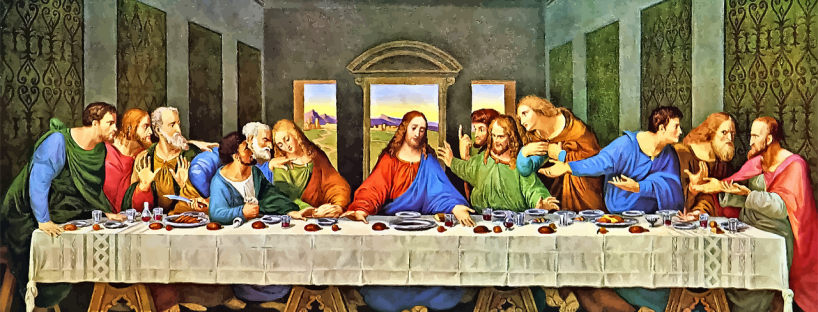
Picture above provided by Pixabay

VERSE DISCOVERY: Luke 22:14-22 (KJV, Public Domain)

Jesus’ time on this earth was ending.  On this night, He would be betrayed.  From there, the course of events will move quickly toward the cross where the Passover Lamb will be sacrificed for the sin of the world.

Before we arrive at that point in history, let us review the specifics of Jesus’ last Passover celebration with the disciples that we now refer to as the Lord’s Supper.

The Hour has Come

Luke 22:14 “And when the hour was come, he sat down, and the twelve apostles with him.”

At the beginning of chapter 22, we see a more detailed telling of events that lead to our opening verse.

Verse 1 plainly tells us, “Now the feast of unleavened bread drew nigh, which is called the Passover.” (For more on the original Passover view this lesson here).  It is also during this time that the hunt for Jesus’ life is in full swing (vs. 2) and Judas Iscariot was all too happy to oblige them with the means and opportunity, for the right price, of course (Vss. 3-6; see also Matthew 26:14-16)

“Then came the day of unleavened bread, when the passover must be killed,” (Luke 22:7).  And I don’t want to get ahead of myself, but before all these events would conclude, Christ Himself will be identified as our ultimate Passover Lamb sacrifice (1 Corinthians 5:7).

As the time drew near to kill the lamb, Peter and John were sent to prepare for and make “ready the passover” (Luke 22:13; read Vss. 7-13).

Opening to the first verse of our lesson text, we see, “And when the hour was come, he sat down, and the twelve apostles with him.”

To me, the phrase “the hour was come” is so pivotal in the story of Jesus.  Although here it is referring to the hour of the meal that according to Jewish times would have been at twilight, or just after sunset, or evening (compare Matthew 26:20; see also Leviticus 23:5), I think of those times when Jesus voiced, “My hour has not yet come” (see John 2:4; 7:6).  As Jesus was entering in the “hour” of the feast, He was also entering into the “hour” of His suffering, also referred to as His passion (Acts 1:3; compare to John 13:1) that would bring the hope of salvation of the world.

As Jesus was entering into the “hour” of the feast, He was entering the “hour” of long-awaited prophecies being fulfilled concerning Him and the world He would finish on the cross (compare John 13:1).

After this sacred meal, Jesus would be arrested and led as a “lamb to the slaughter” (Isaiah 53:7).  As they led Him to Calvary, He would be “numbered with the transgressors” (Isaiah 53:12).  As He hung on the cross, Messianic psalms such as Psalm 22 would become so scarily read as it outlines centuries before the crucifixion of Christ in exact detail.

Yes, I believe this hour is very pivotal.

Thus, “he sat down, and the twelve apostles with him.”  Yes, all “twelve apostles” joined Jesus in this final Passover feast, including Judas Iscariot, the Lord’s betrayer (which we will discuss in greater detail a little later).

Luke 22:15-16 “And he said unto them, With desire I have desired to eat this passover with you before I suffer: For I say unto you, I will not any more eat thereof, until it be fulfilled in the kingdom of God.”

Jesus never hid the reality of the suffering He would face from His disciples.  There were many times when Jesus tried to prepare their hearts for this time (see Matthew 16:21; 20:17-19; Mark 8:31; Luke 9:21-22; 13:33; 18:31-33).  But, as Luke 18:34 reminds us, the truth of what Jesus was trying to convey to them regarding His suffering often escaped the disciples understanding: “And they understood none of these things: and this saying was hid from them, neither knew they the things which were spoken.”

Therefore, Jesus told them, “With desire I have desired to eat this passover with you before I suffer”.  Although the time and significance of everything that was about to transpire was lost on His disciples, Jesus knew and held this occasion very near to His heart.  He knew that after this day He would not eat of this feast anymore “until it be fulfilled in the kingdom of God.” 

Despite what the chief priests and those who sought His life thought of Him, Jesus knew where He was going.  After everything pertaining to His mission on earth and every prophecy fulfilled, Jesus knew that He would return to the Father, “the kingdom of God,” and one day His saints would join Him in the ultimate celebration of celebrations.

Do This in Remembrance of Me

Luke 22:17-20 “And he took the cup, and gave thanks, and said, Take this, and divide it among yourselves: For I say unto you, I will not drink of the fruit of the vine, until the kingdom of God shall come.  And he took bread, and gave thanks, and brake it, and gave unto them, saying, This is my body which is given for you: this do in remembrance of me.  Likewise also the cup after supper, saying, This cup is the new testament in my blood, which is shed for you.”

May we not overlook the taking of the cups here.  While this cup was one of several in the part of the regular Passover feasts celebration, I can’t help but be reminded that in a little while our Lord will be on His knees praying in that sacred garden for a certain cup to pass Him by. But with a heart of submission and acceptance, He takes on the full role the Father has ordained for Him, “Saying, Father, if thou be willing, remove this cup from me: nevertheless not my will, but thine, be done” (Luke 22:42).

Jesus will suffer.  He will be crucified on a criminal’s cross.  He will die, but for the joy of being in fellowship with His disciples, at this moment, He gives thanks.  He keeps His eyes and His heart heaven focused.  He goes through the rituals and prescriptions of the Passover meal, without missing a beat, and still giving thanks.

With that same emphasis given toward the “kingdom of God shall come” as He did in verse 16, Jesus knows that He will not “drink of the fruit of the vine” in this celebratory manner until that great and glorious day.

He hasn’t returned yet, so our Lord is still waiting for His celebratory feast.

With His focus on spiritual and heavenly things, Jesus sets about a new way for His disciples and all who would accept Him as Savior to remember Him as they approached this sacred meal.

Taking the “bread” and giving thanks and breaking it, distributing it to His disciples, Jesus speaks these words: “This is my body which is given for you: this do in remembrance of me.”

This Passover bread would have broken easily considering it was without yeast as formerly instructed to the people (Exodus 12:8; Deuteronomy 16:3-4).  With its maybe flat and cracker-like structure (as we know it today), it would have easily snapped and been susceptible to breaking or tearing, causing much harm.  Jesus took much harm on His body when He died for our sins.

The bread being broken was a symbol of what His “body which is given for you” would endure.  Isaiah prophesied of His suffering body, saying, “Surely he hath borne our griefs, and carried our sorrows: yet we did esteem him stricken, smitten of God, and afflicted.  But he was wounded for our transgressions, he was bruised for our iniquities: the chastisement of our peace was upon him; and with his stripes we are healed,” (53:4-5).

His “body” was given for our sins (Galatians 1:4).  When we partake of this holy meal, we are remembering, by faith, everything Jesus endured for us.  We are remembering the sacrifice “given for you”; given for all of us (John 3:16).

Of the “cup” He speaks, “This cup is the new testament in my blood, which is shed for you.”  Hebrews 9:22 reminds us that, “Without shedding of blood is no remission.”  The symbol of the cup would be the symbol of His life being poured out “for you”, for us all.

In the book of the Law, in Leviticus 17:11, we read, “For the life of the flesh is in the blood: and I have given it to you upon the altar to make an atonement for your souls: for it is the blood that maketh an atonement for the soul.”

If I had space and time, I would break that one verse down with those four phrases, each having its own space of explanation: 1) Life of the flesh is in the blood, 2) I have given it to you upon the altar, 3) To make an atonement for your souls, 4) For it is the blood that maketh an atonement for the soul.

The blood was sacred.  Then, it was for the purpose of sacrifice on the altar, and the blood that would be represented in the cup that would be forever remembered in the same sacred way, only more so, because He who gave His life on the altar of the cross is so much more and He blood has done so much more.

Taking our minds back to the Old Testament altar, we see it not only as a place of worship but also as a place of sacrifice.  It is where one could find atonement for sins and wrongs committed.  It was the center of reconciliation between God and man from the time of Noah when he “builded an altar unto the Lord; and took of every clean beast, and of every clean fowl, and offered burnt offerings on the altar” (Genesis 8:20).

That was then.  That was a picture of what was to come.  On this night, Jesus would give us a new picture, with a new, fulfilling meaning of blood shed, sacrifice, and altar.

Throughout the New Testament we see this new picture of where our reconciliation and hope now lies: in Christ.  Hebrews 9:11-15 tells us,

But Christ being come an high priest of good things to come, by a greater and more perfect tabernacle, not made with hands, that is to say, not of this building;

Neither by the blood of goats and calves, but by his own blood he entered in once into the holy place, having obtained eternal redemption for us.

For if the blood of bulls and of goats, and the ashes of an heifer sprinkling the unclean, sanctifieth to the purifying of the flesh:

How much more shall the blood of Christ, who through the eternal Spirit offered himself without spot to God, purge your conscience from dead works to serve the living God?

And for this cause he is the mediator of the new testament, that by means of death, for the redemption of the transgressions that were under the first testament, they which are called might receive the promise of eternal inheritance.”

He, with the cup in His hand.  He, the mediator of the “new testament”, verifies what has already been stated: this is “my blood, which is shed for you.”

For love, He would perform every bit of the Father’s will

For love, He will lay down His life (John 15:13).

For love, His blood will be shed for you and me.

Going back to the previous verse – “This do in remembrance of me” we recognize we could never save ourselves (Ephesians 2:8).  Every soul on planet earth – past, present, and future would need what Jesus would offer on the cross through His blood: reconciliation.

“This do in remembrance of me” were the words that came that left no question as to why this would be celebrated from henceforth.  It would be done and carried out to remember what Jesus did on that cross, to remember, in its truest form, the sacrifice He became when He allowed Himself to become the Passover Lamb.  As the original Passover was a memorial to celebrate the children of Israel’s deliverance from Egypt (see Exodus 12:14), so too would this “supper” celebrate our deliverance from the captivity of sin through the brokenness of Jesus Christ.

To some, the cup may just be a cup to hold a drink for the evening, but for us who believe, that cup became an everlasting symbol of the new that God would initiate through His holy Son.

My Betrayer is With Me

Luke 22:21-22 “But, behold, the hand of him that betrayeth me is with me on the table.  And truly the Son of man goeth, as it was determined: but woe unto that man by whom he is betrayed!”

After announcing that it would be His very blood that would usher in the new testament, the new covenant, there is the “but” thrown in the mix.

As much as Jesus desired to share this meal with His disciples, it would be one of them who would betray Him as was prophesied many years prior: “Yea, mine own familiar friend, in whom I trusted, which did eat of my bread, hath lifted up his heel against me” (Psalm 41:9).

Earlier, in verse 14, we noted that as Jesus sat down, all twelve apostles were with Him, including Judas Iscariot.  And Jesus plainly states here in verse 21, “the hand of him that betrayeth me is with me on the table.” 

One, an apostle, welcomed to dine with Jesus as a friend, is also a betrayer.  And although many voices rose to question, “Lord, is it I?” (Matthew 26:21), both Jesus and Judas Iscariot knew the answer to that question.

Redemption for mankind will come, and Jesus will fulfill His role and purpose for being born on this earth: “The Son of man goeth, as it was determined,” but that does not absolve Judas Iscariot’s guilt from the part he played, for Jesus said, “But woe unto that man by whom he is betrayed!”

His name always appears in the last position of the disciples in Matthew, Mark, and Luke, and not at all in Acts 1:13.  And, his name is always identified by what he did.

It was he that went to the chief priests, and asked, “What will you give me, and I will deliver him unto you?” (Matthew 26:15).  It was he that would later come to the Garden of Gethsemane where Jesus prayed in great distress, and betrayed our Lord with a kiss (Matthew 26:15; 27:3).  And it was he who joined the Lord at the “table” commemorating this Last Supper.

Although the events that would come at the end of this supper, at the end of this night would be painful in more ways than one, Jesus desired to have this time with His disciples and to share this meal.

They, and Christians following, would look back on the events of this Last Supper as a time to reflect, examine, be grateful, and remember all that our Lord Jesus Christ has done for each of us.

PDF Full Printable Sunday School Lesson Pack (With easy to read instructions following the P.E.A.R.L. format on how to conduct each lesson with areas for adding personal notes): Sunday School Lesson – Jesus’ Last Passover with His Disciples

Suggested Activities:

Adult Journal Page: Adult Journal Page – Jesus’ Last Passover with His Disciples

Kid’s Journal Page:  Kid’s Journal Page – Jesus’ Last Passover with His Disciples

Blank Journal Pages: These pages, one designed for adults and one for children, can be used to bring out, remember, or write a particular part of the lesson you wish for you and/or your class to focus on.  Click>>Blank Adult and Kid’s Journal Pages to access the journal pages.

Word Search: Jesus’ Last Passover with His Disciples Word Search  Answers: Jesus’ Last Passover with His Disciples Word Search Answers

Crossword:  Jesus’ Last Passover with His Disciples Crossword  Answers: Jesus’ Last Passover with His Disciples Crossword Answers

Word Scramble:  Jesus’ Last Passover with His Disciples Word Scramble  Answers: Jesus’ Last Passover with His Disciples Word Scramble Answers

Draw the Scene:  Jesus’ Last Passover with His Disciples Draw the Scene

Memory Verse:  Jesus’ Last Passover with His Disciples Memory Verse

Activity Sheet:  The Last Supper Activity Sheet

Cup Craft: Jesus’ Last Passover with His Disciples Cup Craft

Copyright © Word For Life Says.com (Sharing any posts or lessons can only be done through the share buttons provided on this site from the original posts, lessons, and articles only. You can reblog from the original posts only using the reblog button provided, or share using the share buttons provided from these social media platforms: Facebook, Twitter, or Pinterest, etc., and they must be shared from the original posts only. All other repostings are prohibited. Posts and other items of interest found on this site MAY NOT BE COPIED AND PASTED, downloaded, uploaded, etc to another website or entity not listed (physical or electronic).  See COPYRIGHT PAGE for more details.

Sunday School Lesson – “Made Righteous in Christ” Romans 3:21-31

VERSE DISCOVERY: Romans 3:21-31 (KJV, Public Domain)

Since “all have sinned, and come short of the glory of God,” (Romans 3:23; discussed further in this lesson), then how can one ever be truly justified by a holy and righteous God?

The answer is a simple one although it is not always simply accepted: Jesus Christ.  Through His sacrificial atoning of our sins, He changed our former status into one who now becomes righteous in the eyes of our righteous God, Paul explains in this lesson.

The Righteousness of God

Romans 3:21-22 “But now the righteousness of God without the law is manifested, being witnessed by the law and the prophets; Even the righteousness of God which is by faith of Jesus Christ unto all and upon all them that believe: for there is no difference:”

Although the Apostle Paul did not plant the Church in Rome as he had in other cities, he still took a fatherly-leadership role in helping this church to thrive to be all that God calls them to be.

He prayed for them and desired to visit them (1:1-15), but in the meantime, he wrote this letter to encourage and instruct them on the matter of salvation, God’s righteousness, and how we as sinners, can be made righteous in the eyes of God.

After establishing his fearless zeal in wanting to preach the gospel to them, for in it, he knows, “the righteousness of God” is revealed (1:15-17), which is really the main focus of this letter, Paul continues on discussing what all this means.

God’s righteousness can be described as everything just and right and holy.  God is right, there is no other way to put it.  What He does is right.  Always.  His ways are higher than ours and they are above reproach (Isaiah 55:8-9).  Opposite that is the “ungodliness and unrighteousness of men” (Romans 1:18).

Since the Fall in the garden, mankind has been corrupted by sin.  Since that day, when the age of innocence has passed off the scene, mankind has been subjected to the “wrath of God” (1:18), “Because that, when they knew God, they glorified him not as God” (1:21).  They, mankind, are accused of changing the glory of God (1:23) and the truth of God (1:25) to follow after sinful ways.  Although creation itself testifies to the power of God (1:20), Paul sums up the ungodly truth of sinful man by saying, “Who knowing the judgment of God, that they which commit such things are worthy of death, not only do the same, but have pleasure in them that do them.” (Romans 1:32).

God’s judgment is against ALL SIN and He will render to “every man according to his deeds,” (2:6).  It doesn’t matter who they are, Jew or Gentile.  It doesn’t matter if they have been raised in the Law or not (2:11-15).  Anything that one can boast in outside of faith in Jesus Christ will profit nothing in that coming day (more on this later).

The law cannot justify one before God.  The law, and it’s following the adherence thereof, cannot earn one true salvation.  The law’s purpose was to bring about “the knowledge of sin,” (3:20), but it could never erase sin for good and make people righteous before God.

Then Paul introduces a “but now” moment that begins to explain how the “righteousness of God” is “manifested.”  This “but now” introduces the wonderful realization that mankind is not left to drift in the world of sin without help; without an anchor to steady and save them.  There is a way for them to receive “the righteousness of God” and it is “by faith of Jesus Christ unto all and upon all them that believe.”

In Christ, lies that hope to be justified before the Father, accomplishing something the law never could do.  “For what the law could not do, in that it was weak through the flesh, God sending his own Son in the likeness of sinful flesh, and for sin, condemned sin in the flesh: That the righteousness of the law might be fulfilled in us, who walk not after the flesh, but after the Spirit,” (Romans 8:3-4).

In the work of the cross of Christ, salvation is available for them that believe.  Jesus Christ is the only answer to heal mankind from their dreaded sinfulness and to make them right before a holy and just God, “upon all them that believe.”

It doesn’t matter who they are, where they’re from, or what they’ve done: “there is not difference.”  Any and all who turn to Jesus Christ by faith can be saved.  The answer to all our sins’ woes is fulfilled in what Christ accomplished on the cross (compare Romans 10:12).

All Have Sinned and Need to be Justified

Romans 3:23-26 “For all have sinned, and come short of the glory of God; Being justified freely by his grace through the redemption that is in Christ Jesus: Whom God hath set forth to be a propitiation through faith in his blood, to declare his righteousness for the remission of sins that are past, through the forbearance of God; To declare, I say, at this time his righteousness: that he might be just, and the justifier of him which believeth in Jesus.”

Just as there is no difference in who can receive the righteousness of God by faith in Christ, there is no difference in who can be categorized as a sinner in need of this grace, in need of redemption, “For all have sinned, and come short of the glory of God.”  Everyone who ever was and ever will be needs to be saved by the redemptive blood of Christ.  No one measures up to God’s standard on their own.  We all need Jesus!

It is through Him, where one can be “justified freely by his grace.”  The word “justifies” signals the “being made right before God” part, while “grace” speaks of the undeserving mercy we receive in that.  Our guilt had us bound, but Jesus set us free through “redemption,” by redeeming us.  He paid the cost.  He “gave himself a ransom for all, to be testified in due time,” (1 Timothy 2:6).  So that our eternity could be secured before the Father, He “freely” satisfied the demand against mankind’s sin.

Jesus became our eternal sacrifice that atoned for our sins once and for all: “Whom God hath set forth to be a propitiation through faith in his blood.”  The Bible declares and attests to this truth in other areas, saying, “Herein is love, not that we loved God, but that he loved us, and sent his Son to be the propitiation for our sins,” (1 John 4:10).  The word “propitiation” in both of these verses speak of Christ’s complete, atoning sacrifice.  “His blood” was shed that we might be made free (compare Hebrews 10:4).  Christ died for our sins.  Our justification is not a human invention.  God “set forth” Christ and the plan of salvation through Christ.

“To declare his righteousness for the remission of sins that are past.”  Not only today are our past sins taken care of, but the yesterday and the yesteryear sins of sinners are taken care of for all who believe, both before the cross and after the cross (compare Ephesians 1:7; Hebrews 9:15)!  Hallelujah!  The “past,” and those in the past, have been covered by the cross, also!  The cross, and what Jesus did on the cross, is enough to satisfy and uphold the demands of God’s “righteousness” against the sin and sinners of today, yesterday, and forevermore.  Nothing else is needed.  It has already been proven that nothing else will do (read Hebrews 9:12-14).

“Through the forbearance of God.”  God’s own “righteousness” (above), which is the very “habitation of His throne” (Psalm 97:2), is shown in His willingness and longsuffering to withhold final actions upon mankind’s sin as a whole before the time of the cross.  At the time of His death, all sin, past, present, and future, were placed upon our Savior as He hung on that cross.  It’s what one does with the revelation of the cross for their own life that makes the difference.  This is what one will be judged by.

God has always been fair in His actions toward humanity, sinful though they may be.  He gives everyone time and space to repent: “The Lord is not slack concerning his promise, as some men count slackness; but is longsuffering to us-ward, not willing that any should perish, but that all should come to repentance,” (2 Peter 3:9).  But, as we know, all will not come to repentance.  The time of ignorance is over and there is an appointed day for the judgment for all, past, present, and future (Acts 17:30-31).

But, for the one that “believeth in Jesus,” God justifies.  Because of what Christ did, and because of our belief and acceptance of what Christ did as our Savior, God credits that to our account as righteousness.  God declares them/us right and justified!  Mankind, any person in human history outside of Jesus Christ, is far from perfect and right in the eyes of God.  But, when one believes in Jesus, for all He accomplished on the cross and accepts that sacrifice for their life; when God looks at that person, He no longer sees them and their wrongs.  He sees Jesus and His right, and He is the one that declares them now to be righteous.

By Faith, Jesus is Enough

Romans 3:27-31 “Where is boasting then? It is excluded. By what law? of works? Nay: but by the law of faith.  Therefore we conclude that a man is justified by faith without the deeds of the law.  Is he the God of the Jews only? is he not also of the Gentiles? Yes, of the Gentiles also: Seeing it is one God, which shall justify the circumcision by faith, and uncircumcision through faith.  Do we then make void the law through faith? God forbid: yea, we establish the law.”

Because everything is based solely on what Christ has done, and because it is only God who is able to aptly justify one, what right does anyone have for “boasting”?  They don’t!  That’s the plain and simple truth. No one can make themselves righteous.  No “law” could declare one righteous.  Nor, could any “works” (compare Ephesians 2:9).  Salvation is not something that can be earned.  It is something we are blessed with through “faith.”

Instead of being a source of contention, this should be a relief, for salvation does not depend on what a person can do perfectly, it only depends on what Christ has already done perfectly.  Only the self-righteous would find some kind of joy in trying to pat themselves on the back for a job well-done in trying to get to heaven for all eternity on their own accord or by their own works.  But self-righteousness won’t get you or me there.  Only those who are found Christ-righteous will enter in.

Therefore, “boasting” is kicked to the curb.  “Boasting” is a symbol of pride.  “Boasting” glorifies self and what self can accomplish on its own.  But salvation, I repeat, is NOT something that people can accomplish on their own.  Everyone needs forgiveness and reconciliation through Jesus Christ!  “No flesh shall glory in his presence,” (1 Corinthians 1:29).  National heritage, religious pride, or any other reason one may exalt themselves believing them worthy of this great gift by what they have done or do – all of that is made null and void before the perfect sacrifice of Christ.  For it is ONLY “by grace are ye saved through faith; and that not of yourselves: it is the gift of God,” (Ephesians 2:8).

True salvation requires true “faith” in the right source, and we are not it, nor were the receivers of this letter in the Roman church.  What self can do is not it.  The gospel tells the story and the way of that right source who is Christ our Lord.  He is it!  Any other way outside of Christ is “excluded.” 

“Therefore we conclude that a man is justified by faith without the deeds of the law,” Paul said.  The reality of this truth permeates Paul’s letter to the Roman Christians.  Prior to reaching the text of study in this lesson, in verse 20 of this same chapter, Paul writes, “Therefore by the deeds of the law there shall no flesh be justified in his sight…”  Later in Romans, he will write, “Therefore being justified by faith, we have peace with God through our Lord Jesus Christ,” (Romans 5:1).  Here, he is declaring exactly what Christ’s sacrifice on the cross accomplished for the sin-sick soul.  He justified us and made us right with the Father (Romans 5:1).  None of this was based on our own efforts or human goodness.  Our new position in Christ was and is solely based on the sacrificial love of Christ that propelled Him through any hurt and pain He was personally feeling to think outside of Himself and see a world of humanity drowning in an ocean of wayward disobedience and rebellion leading them to a lost path of which there is no return unless their souls be saved!

Because of what He did, we now have “access by faith into this grace” and we have a reason to “rejoice in hope of the glory of God,” (Romans 5:2).  With His blood, He bought the key that would give us an open door to our heavenly Father.  And, with everything we face, our end reward is hope (Romans 5:3-5).

He, Jesus, did it all for us and our job is to whole-heartedly accept it, accept His work, accept His sacrifice “by faith.”  Those words, “by faith”, “through faith”, “the law of faith”, and other references to faith appears no less than thirty-seven times in the book of Romans alone.  The “law”, and the works of the law couldn’t do it (compare Acts 13:38-39).  “For therein is the righteousness of God revealed from faith to faith: as it written, The just shall live by faith,” (Romans 1:17).  It’s a faith thing!

And, this is God’s plan for all.  It’s not just for the “Jews” or for the “Gentiles.”  There is only “one God” with one plan of salvation for all to accept: faith in what Jesus Christ has already done.

Does this make the law “void”?  Absolutely not!  Through Christ, God fulfilled the law.  The law was “established”.  Before His death, Jesus plainly stated, “Think not that I am come to destroy the law, or the prophets: I am not come to destroy, but to fulfil,” (Matthew 5:17).  In Him, the requirements of the law were fully and completely satisfied.  Therefore, God is just when He makes one righteous through Christ because, in Christ, all the law is fulfilled.  By faith, Jesus is enough!

PDF Printable Sunday School Lesson Pack (With easy to read instructions following the P.E.A.R.L. format on how to conduct each lesson with areas for adding personal notes): Sunday School Lesson – Made Righteous in Christ

Suggested Activities:

Adult Journal Page: Adult Journal Page – Redeemed

Kid’s Journal Page: Kid’s Journal Page – Jesus Saves

Blank Journal Pages: Blank Adult and Kid’s Journal Pages

Draw the Scene: Made Righteous in Christ Draw the Scene

Word Search: Made Righteous in Christ Word Search Answers: Made Righteous in Christ Word Search Answers

Crossword: Made Righteous in Christ Crossword Answers: Made Righteous in Christ Crossword Answers

Word Scramble: Made Righteous in Christ Word Scramble Answers: Made Righteous in Christ Word Scramble Answers

Copyright © Word For Life Says.com (Sharing any posts or lessons can only be done through the share buttons provided on this site from the original posts, lessons, and articles only. You can reblog from the original posts only using the reblog button provided, or share using the share buttons provided from these social media platforms: Facebook, Twitter, or Pinterest, etc., and they must be shared from the original posts only. All other repostings are prohibited. Posts and other items of interest found on this site MAY NOT BE COPIED AND PASTED, downloaded, uploaded, etc to another website or entity not listed (physical or electronic).  See COPYRIGHT PAGE for more details.


Sunday School Lesson – “Count it All Joy!” James 1:1-12

VERSE DISCOVERY: James 1:1-12 (KJV, Public Domain)

What do you do when life doesn’t seem to want to play fair?  When all the boxes don’t check off in all the right places and everything seems out of whack – what do you do?

For some, remaining optimistic during trials is harder than others.  Firstly, every trial that every individual person deals with is not the same.  Some things that may be troubling to one, but in reality, is only a minor inconvenience and annoyance, to others, they may be battling tooth and nail to keep their head above the water of the adversity they are facing.

Then, we have each person’s natural dispositions on how they specifically handle tumultuous events.  Where one sees the dark clouds others can readily point out the silver lining.

For those whom James was addressing in his letter, he knew they were being hounded by real troubles and not just a matter of inconvenience.  He knew of the hardships and oppression they were experiencing.  Yet, through it all, he wanted these believers to focus on the positive fruit all the things they were experiencing in their life could produce.

Let Patience Have Her Perfect Work

James 1:1-4 “James, a servant of God and of the Lord Jesus Christ, to the twelve tribes which are scattered abroad, greeting.  My brethren, count it all joy when ye fall into divers temptations; Knowing this, that the trying of your faith worketh patience.  But let patience have her perfect work, that ye may be perfect and entire, wanting nothing.”

This “James”, who addresses himself as “a servant of God and of the Lord Jesus Christ” is supposed by many to be the actual brother of our Lord Jesus Christ.  While Jesus was going about fulfilling His earthly ministry, his brothers were not part of those who supported that ministry (see John 7:3-5).  As a matter of fact, it is supposed that it wasn’t until after he had seen the risen Lord for himself, that James, the natural, half-brother of Jesus Christ, believed and became a follower and a leader in the early church (1 Corinthians 15:7; Acts 1:14).

Which is why he is writing this letter “to the twelve tribes which are scattered abroad.”  As a leader in the early church (Galatians 2:9; Acts 15:13-22), his care for members of the body of Christ is evident in the time and care he takes to write to them about their personal growth in the Lord, the discipline of the faith, conducting personal behaviors pleasing to the Lord, and yes, remaining hopeful in the midst of it all.

In this section of Scripture, James didn’t downplay the suffering some were experiencing.  Rather, he encouraged them to remain focused on what truly matters.  Therefore, he begins this letter by admonishing then to “count it all joy when ye fall into divers temptations.”

“Count it all joy” – when you really think about that statement, it’s naturally a very difficult thing to do.  It’s very similar to the Apostle Paul’s teaching to which he says, “In every thing give thanks…” (1 Thessalonians 5:18).

Those words “all” and “every thing” can encompass a great many circumstances.  Circumstances that wouldn’t need encouragement to remain joyful and thankful if they weren’t adverse.  Nobody needs to be encouraged to be happy when they are already happy.  It’s when things become hard and unbearable that leaders such as James try to cheer them on to see that silver lining in a dark cloud.

James goes on to say, “Count it all joy when ye fall into divers temptations,” or, various trials.  You know what, I have given birth to four different children and each labor experience was different.  Some were scary, some were painful, some were eventful, while others were uneventful.  No two were alike.  Each one was different.  During one, I thought I was going to lose that baby, and during one, my own health was compromised.

But life is like that.  The degrees and variables surrounding each hardship are unique to that particular time, place, situation, and person.  They all don’t come packed in the same neat packaging, for if they did, we could really prepare our actions and reactions to each case.  Trials come looking and feeling many ways and sometimes it’s hard getting a grip on it all and adjusting one’s mindset to see the positive.

But James didn’t focus on the many things people see, feel, and experience now.  He focused on the many things it would produce.

First, he said, “Knowing this, that the trying of your faith worketh patience.”  If you have ever exercised with resistance bands, you know how difficult it can be.  You are using your own body’s strength, be it little or big, to purposely add pressure and pull to an already hard work out.

The “trying of our faith” is working for us, for our good, even though it seems to be opposing us.  That which is hard to deal with is actually teaching us in a way that an easy path, with no resistance, ever could.  It is producing in us virtues and spiritual fruit (Romans 5:3-6) that really will have no way of growing in us if it were not for the adverse circumstances we become occasionally planted in.

Here, in James’ teaching, he is showing them the flip side of what they are feeling.  He’s showing them that what they are going through, those things that feel like they are wearing their faith down, is actually producing “patience” in them.  This patience is all about endurance.  One will never know how to go through hardships and stand if they have never been given the opportunity to exercise that faith and endure.

We read about Bible characters and their stories, and we think, oh, put me in the lion’s den, or let me at Goliath, or some other situation alike, and I know what to do because the Bible tells us what they did.  When reading the lives in these stories, we must not become desensitized to the power and faith it took for an individual to keep remaining true to their faith despite a death threat or to face a monster of a man on the battlefield.  Until we have our own Nebuchadnezzar to stand before with the resolve to refuse to bow and worship a false image, no matter how hot the situation was getting, we will never know what it’s like to endure trials such as these that build our faith unless we go through it for ourselves.

“But let patience have her perfect work.”  If you want to grow and produce things conducive to strong faith, then let that same patience work it out in you.  Every Christian should strive for mature, tested, and tried fruit of these spiritual disciplines to be produced in their life.

Every day we should want to do better and to be better, but a lot of that will never come to be unless we work at letting “patience have her perfect work.”  Then, will we grow, being “perfect and entire, wanting nothing” in the development of our Christian character, now being ripe fruit, fit for the Master’s use.

Ask in Faith and Don’t Waver

James 1:5-8 “If any of you lack wisdom, let him ask of God, that giveth to all men liberally, and upbraideth not; and it shall be given him.  But let him ask in faith, nothing wavering. For he that wavereth is like a wave of the sea driven with the wind and tossed.  For let not that man think that he shall receive any thing of the Lord.  A double minded man is unstable in all his ways.”

“Faith” is a key factor in this opening of James’ letter.  In the trying and in the producing, faith comes to the forefront of a must-have list.

“Wisdom” is needed in so many areas of life.  Proper wisdom is needed all the more when facing opposition.  Wisdom is one of the best tools one should have in their arsenal when navigating or combatting trying times.

Previously I wrote,

“Strength and weapons are carnal devices that depend on fleshly know-how and might.  Often these are the first resources that man runs to in times of difficulty and adversity.  Wisdom is dependent upon God.  ‘The fear of the LORD is the beginning of knowledge; Fools despise wisdom and instruction,’ Proverbs 1:7.

Would it not be more prudent in the days of trials to follow the path of wisdom whose Author is God?” (Wisdom is Better/Word for Life Says).

James said, “If any of you lack wisdom, let him ask of God.”  It is very possible to be in the midst of contentions and not know what to do or how to respond.  God has opened Himself up to us to receive what we need to succeed in this Christian journey.  The Apostle Peter, one of Jesus’ original disciples, wrote, “According as his divine power hath given unto us all things that pertain unto life and godliness…” (2 Peter 1:3; emphasis mine) and that includes wisdom.  God gives it to the one who asks, but when he or she asks, it must be done in “faith.”

Faith supports faith.  The one here, who is in a trial and dealing with contentions because of their faith, are to ask in faith, of the Father, for the proper wisdom of how to continue forward in their faith while going through.

Steadfast, believing faith is necessary for every aspect of our Christian walk.  To “waver” in that is to sway in that belief and in the one who is the Author of that belief.

James gives the picture of this one being “like a wave of the sea driven with the wind and tossed.”  I love the ocean.  I love the beach.  When vacationing, it’s one of my favorite places to visit.  One of the things I most enjoy while there is standing on the shoreline and watching the waves come in and go out.  The ebb and flow of the waters are always moving, never still, and never steady.

While beautiful to look at in nature, in our Christian character that’s not what we’re looking for.  We want to be rooted and grounded in what we believe and whom we believe – that He is able to answer our prayers and give us the wisdom we need.  To shun that, through not asking in faith, is to shun the benefits one would have received otherwise.

James warns, “For let not that man think that he shall receive any thing of the Lord.”  Too many are living the faith they profess to have without living in complete faith and assurance in the “Lord.”  It may be possible for people to live in compliance with regulations of the faith and have the spirit of faith missing.

This one has a divided mindset.  James considers them to be a “double minded man” who is “unstable in all his ways.”  If he or she can’t get off the fence here, before the very foundation of their faith, when praying and asking of God, other areas of life are guaranteed to be constantly shifting and fluctuating as well, being blown about in uncertainty.

But for the one, who in complete faith, is asking God for wisdom, God will give it “liberally” and “it shall be given him.”  Wow!  What a promise!

Endure, There is an Eternal Reward

James 1:9-12 “Let the brother of low degree rejoice in that he is exalted: But the rich, in that he is made low: because as the flower of the grass he shall pass away.  For the sun is no sooner risen with a burning heat, but it withereth the grass, and the flower thereof falleth, and the grace of the fashion of it perisheth: so also shall the rich man fade away in his ways.  Blessed is the man that endureth temptation: for when he is tried, he shall receive the crown of life, which the Lord hath promised to them that love him.”

Rich or poor, it doesn’t matter.  Everyone will experience trials.  And, everyone can be taught valuable lessons through those trials.  All social classes and backgrounds can find joy during times of adversity.

How is that?

James explains it like this.  For the poor, or him of “low degree,” such a one can “rejoice in that he is exalted.”  This one’s “right now status” does not determine their joy in life.

It is easy to see the ones without… without as much as others, without as many financial resources, without proper education, and anything else this world stores up as markers for success and happiness.

This one may think he is justified in being sullen, withdrawn, and living a pity-party lifestyle that no one wants to attend.  Contrarily, James points out the opposite.  Regardless of what he has or didn’t have; no matter how others view his lowliness, or even how he views himself, James declares that joy and rejoicing should still be found in his heart because of the God whom he has placed his trust in, and not his haves and have nots.

In this, too, he can “rejoice.”  When it’s all said and done, when he parts from this world, it is God who will “exalt” him to the things he has never seen with human eyes or even imagined (compare 1 Corinthians 2:9).  He may not have as much as another, but in his trials and temptations, he can still count it all joy!

When Jesus was teaching the Beatitudes, at the end of all those “blessed are” statements that would point out circumstances in which one wouldn’t normally find joy in, Jesus speaks these words: “Rejoice, and be exceedingly glad: for great is your reward in heaven,” (Matthew 5:12).  His comments were spoken in relation to being persecuted, something James’ readers are all too familiar with, yet, what He points out is that even in that hardship, Jesus Himself said, “Rejoice!”

And, He wasn’t teaching anything contrary to what He Himself was not willing to do.  Hebrews 12:2 tells us, “…who for the joy that was set before him endured the cross, despising the shame…”

As those who are linked to Him in faith, James said every believer can count it all joy no matter their privileged or underprivileged status and life.

And the “rich” are to remember, in humility, that though they may have a lot right now, their days are moving just as fast as anyone else’s in this lifespan each of us has been allotted.  Life is a vapor, here today, gone tomorrow (James 4:14).

“As the flower of the grass he shall pass away.”  Riches cannot increase his time or secure him a better end.  He, too, must depend on the same salvation, the same saving grace, as one who may be without and lacking.  The businesses, the homes, the money – nothing he has accumulated in this life will account for anything in eternity.  Outside of Christ, low or high, rich or poor, we are all nothing.

So, when this one faces trials and temptations, he too can count it all joy for he is made keenly aware that his days and life here are very brief.  That awareness brings him “low”; it centers and focuses him on what matters the most.

Both types of trials and temptations are a gift for they both, whether for the rich or poor, should keep us before the Lord in humility and dependence.  Not a one has a reason to glory in his own flesh or circumstances.  Before God, it’s the heart of the man that matters the most.  Not what he has or doesn’t have.

James adds, “Blessed is the man that endureth temptation.”  Counting it all joy is not because we have avoided temptations and trials from ever happening to us.  Counting it all joy for the blessedness that is ours for enduring the times of testing they brought.

Even Jesus was tried, tested, and tempted.  Hebrews reminds us again, “For we have not an high priest which cannot be touched with the feeling of our infirmities; but was in all points tempted like as we are, yet without sin,” (Hebrews 4:15).

Endure!

Let patience have her perfect work!  Because in the end, when the trials and trying times are all over with, that one that was “tried” and endured with faith intact through it – that one “shall receive the crown of life.”

Now, that’s real success.  That’s the real goal.  That’s the real reason to be happy when troubles just won’t seem to let up.

At one point or another, and many times in between, we are all going to be touched by the finger of adversity.  But, as the Word of God declares, “But he that shall endure unto the end, the same shall be saved,” (Matthew 24:13).

Don’t lose your joy!  There is a “crown of life” waiting for you with your name on it.  We are going through and enduring because there is a prize laid up for us at the end of this race (1 Corinthians 9:24-25).

Your running is not in vain.  Your joy is not in vain.  The “Lord” has “promised” this wonderful gift “to them that love him.”

it is spoken.  It is written.  It is ours if we remain in our holy joy and keep pushing for it and not giving up.

The opposite of the joy we are called to have is words like misery, sadness, and the like.  When one keeps swimming in the pools of these waters, they will soon feel overcome by the displeasure found there, let go of their grip, and drown.

Life may not be perfect but maintaining your spiritual joy will keep you buoyant in the murkiest of waters.

So, count it all joy!

PDF Printable Sunday School Lesson Pack (With easy to read instructions following the P.E.A.R.L. format on how to conduct each lesson with areas for adding personal notes): Sunday School Lesson – Count it All Joy

Suggested Activities:

Lesson Lead In/Happy or Sad Activity: Print out one happy face and one sad face (you can just do one set for the teacher or multiple sets so that each student can have their own). Attach the faces to craft sticks. Prepare a list of things that might make one happy or sad (finding money, losing a tooth, receiving an unexpected gift, losing a puppy, etc.). Ask the class, using the faces, to show how each thing listed would make them feel, and why? Then ask, Is it possible to feel joy even in sad times? (Give them space to answer.)

Use this as a lead in to the lesson. Say, James wrote to people during a very hard time in life and one of the things he did was encouraged them to count it all joy. This concept is difficult for some adults to grasp, let alone children. Let them know a Christian’s joy is never based on the goodness of their circumstances. Rather, their joy is based on the goodness of God, who will give us the wisdom we need to make it through hard times.

Frown Upside Down Craft: Make your own frowning face that can be turned upside down to make a smiling face. If you don’t know how to do this, search the internet for great examples. Use this as a supplement to the lesson Count it All Joy.

Adult Journal Page: Adult Journal Page – Count it All Joy

Kid’s Journal Page: Kid’s Journal Page – Count it All Joy

Blank Journal Pages: Blank Adult and Kid’s Journal Pages (These pages are great to use with the other journaling exercise provided in the PEARL lesson packet or to use to bring out any other area of the lesson you choose to focus on.  Enjoy!)

Draw the Scene: Count it All Joy Draw the Scene

Word Search: Count it All Joy Word Search  Answers: Count it All Joy Word Search Answers

Crossword: Count it All Joy Crossword  Answers: Count it All Joy Crossword Answers

Word Scramble: Count it All Joy Word Scramble  Answers: Count it All Joy Word Scramble Answers 

Copyright © Word For Life Says.com (Sharing any posts or lessons can only be done through the share buttons provided on this site from the original posts, lessons, and articles only. You can reblog from the original posts only using the reblog button provided, or share using the share buttons provided from these social media platforms: Facebook, Twitter, or Pinterest, etc., and they must be shared from the original posts only. All other repostings are prohibited. Posts and other items of interest found on this site may not be copied and pasted, downloaded, uploaded, etc to another website or entity not listed (physical or electronic). See COPYRIGHT PAGE for more details.

Sunday School Lesson – “Gabriel Foretells of Jesus’ Birth” Luke 1:26-38

VERSE DISCOVERY: Luke 1:26-38 (KJV, Public Domain)

One moment in time that would change history forever; affecting not only the life of one individual but for all mankind that ever was and that will ever be born upon the face of the earth.

Mary, the young Jewish woman from Nazareth, surely knew of the prophecy that was taught to her people down through the generations: “Behold, a virgin shall conceive, and bear a son, and shall call his name Immanuel,” (Is. 7:14).  But, never could she have imagined that she would be that one; that she would be that virgin spoken of so many years ago, (see Mt. 1:21-23).

As we enter into the celebration of the Christmas season let us not become so familiar with the story that we pass it by without a second glance.  Rather, as the angel Gabriel introduces to Mary the great feat that God is about to do in her life, let us reintroduce ourselves to His great power and plan to bring salvation to all men

Lesson Summary

Luke 1:26 “And in the sixth month the angel Gabriel was sent from God unto a city of Galilee, named Nazareth,”

In the verses leading up to our lesson a dramatic event unfolded.  Zacharias’ lot was drawn “to burn incense” in the temple of the Lord, (Luke 1:9).  Whilst there, “Gabriel,” the same angel in today’s lesson, informs Zacharias that he shall have a son that he “shall be great in the sight of the Lord,” (Luke 1:15).  Zacharias, though working in the temple of the Lord, doubted what God could do in his life.  This caused him to be stricken “dumb, and not able to speak, until the days that these things shall be performed,” (Luke 1:20).

His wife Elisabeth conceived as was told by the angel Gabriel and “hid herself five months,” (Luke 1:24).  Today’s lesson picks up “in the sixth month” where we see the same Gabriel who spoke to Zacharias in the temple now appearing to Mary in “Nazareth.”

Bethlehem is the song on our lips when celebrating the Christmas season.  It is, after all, the place of our Lord’s birth.  It is the place where Christ enters the world as any other babe would.  Over seven hundred years have gone by since the prophecy of Micah announced the promise that the Savior of the world would come from this place (Micah 5:2,3).

But before Bethlehem, there was Nazareth.  A place nobody paid much attention to.  A little village despised and rejected as not being worth consideration.

To this obscure place, the angel Gabriel was sent to announce to a young woman there her participating role in the coming of the Saviour into this world.

“Can there any good thing come out of Nazareth?” one asked (John 1:46a).  Another responded, “Come and see,” (John 1:46b).

Nazareth would no longer be a little-known or forgotten town.  Since the Saviour penetrated its borders and was hailed from this place, it would be on the lips of many throughout history (Mt. 21:11; Mk. 16:6; Lk. 18:37; 24:19; Jn. 19:19; Ac. 4:10; 22:8).

Luke 1:27 “To a virgin espoused to a man whose name was Joseph, of the house of David; and the virgin’s name was Mary.”

Mary was “espoused” or as we like to call it in modern terms “engaged” to a man by the name of “Joseph.”  Unlike modern times, to be engaged then carried far more weight of commitment then it does today.  Those “espoused” were considered husband and wife without partaking in the intimate affairs of the relationship at this time.  That would come a year later when she would go to be with him as a wife in every sense of the word.  At this point in their relationship, only a divorce could break off their engagement.

Luke 1:28-29 “And the angel came in unto her, and said, Hail, thou that art highly favoured, the Lord is with thee: blessed art thou among women.  And when she saw him, she was troubled at his saying, and cast in her mind what manner of salutation this should be.”

“The angel came in unto her, and said, Hail.”  In most depictions of this encounter, one gets the sense that this encounter took place outdoors.  But here it states that when the angel Gabriel greeted Mary, he “came in unto her,” giving us the impression that Mary was indoors during this holy encounter.

He spoke, “Thou art highly favoured.”  Now, to be real I think in our day we hear so much preaching on the word favor that we have missed the real significance of the word.  Too many people associate favor with the plethora of prosperity messages.  In the Bible, “favour” is associated with “grace,” and grace is, after all, God’s unmerited favor.

It’s something that is not earned or deserved.  But God, when he looked upon Mary saw something special in her to choose her to be the one to partake in this life-changing, world-changing, history-changing mission.  In God’s eyes, she was “highly favoured.”  I like the fact that the Bible does not go into greater detail of why God chose Mary outside of being “highly favoured,” lest we think of it as a list of criteria to try to emulate to gain favor when this is all done through grace.

“The Lord is with thee.”  How many times in her life would she need to reflect back on that promise?  When the news got out about her pregnancy; when all the gossips and tongue lashers had their way, how many times would she need to reach back to this promise that God is with her?  What about when uncertainty in the turbulent times of the day where people would seek to threaten the life of her child?  Or, even moving beyond this story to the scene of Jesus’ death, how often would she remind herself of those words of blessed assurance?  Is this not one of the greatest promises associated with the birth of the Messiah?  He is “Emmanuel, which being interpreted is, God with us,” (Matthew 1:23).

“Blessed art thou among women.”  No woman on the face of this earth would ever, and I do mean ever, experience what Mary did.  Not only in being chosen for this mission of God but also in every aspect of life this journey would take her through from His conception to death.  In that, she is “blessed.”  Women have conceived since the time of Eve, but none has ever been a virgin overshadowed by the Holy Ghost.  Women have carried children in their womb, but none else has ever or will ever carry the Son of God.  She is “blessed.”

“She was troubled at his saying… what manner of salutation this should be.”  One of my favorite verses in the Bible is a humbling verse and it asks, “What is man, that thou art mindful of him? and the son of man, that thou visited him?” (Psalm 8:4).

This could be imagination on my part, but I believe one of the reasons behind Mary being “troubled at his saying” and her questioning of “what manner of salutation this should be” is rooted in the same spirit of humility that Psalms 8:4 expresses.  “What is man?” – “Who am I?” must have been running through her head that an angel of God would greet her so.

There would also be a healthy dose of godly fear intermingled with her personal response.  After all, it isn’t every day that God dispatches a messenger from heaven to speak face to face with a person.  This was truly an awe-inspiring event.  Anytime an angel appeared to speak directly to an individual it was often “troubling” to the receiver (compare to Luke 1:12).

Luke 1:30-33 “And the angel said unto her, Fear not, Mary; for thou hast found favour with God.  And, behold, thou shalt conceive in thy womb, and bring forth a son, and shalt call his name JESUS.  He shall be great, and shall be called the Son of the Highest: and the Lord God shall give unto him the throne of his father David: and he shall reign over the house of Jacob for ever; and of his kingdom there shall be no end.”

“Fear not, Mary: for thou hast found favour with God.”  Gabriel spoke words meant to calm the fright she was experiencing on the inside.  “Fear not” is one of my favorite sets of words in the Bible.  It is spoken over and over again on many occasions to many different people; approximately 365 times, one for every day of the year.  My favorite is found in Isaiah 41:10 where these words of assurance are found saying, “Fear thou not; for I am with thee: be not dismayed; for I am thy God: I will strengthen thee; yea, I will help thee; yea, I will uphold thee with the right hand of my righteousness.”  “Fear not” pleads with mankind and is pleading with Mary to trust God wholeheartedly.

Gabriel then reiterated that Mary “hast found favour with God.”  With the task she is about to receive she would need this double dose of reassurance of God’s favor over her life.

“Thou shalt conceive in thy womb, and bring forth a son, and shalt call his name JESUS.”  “Shalt” means that it is going to happen.  God has a plan for her that begins and ends with “JESUS.”  She, in the very near future, would carry a child in her “womb.”  Though her year of being espoused is not yet up and the final marriage preparations have not been done, she is told she will “bring forth a son and shalt call his name JESUS.”  When the angel spoke to Joseph in Matthew 1:21, he confirmed the name of this special child would be “JESUS.”  That name, with the meaning of salvation, is where many would find life eternal (see John 20:31).

“He shall be great, and shall be called the Son of the Highest.”  He would be no ordinary child by any means of the word.  Jesus will later say of Himself, “I am from above: ye are of this world; I am not of this world,” (Jn. 8:23).  He knew His origin was different than any other man that had been born on the earth.  Here, Gabriel tells Mary her son will be from the “Highest,” (see also John 3:31).

“And the Lord shall give unto him the throne of his father David.”  For centuries the hopes of the Jewish people’s awaited Messiah sprang from the promise that God made to His servant David when He said, “And thine house and thy kingdom shall be established for ever before thee: thy throne shall be established for ever,” (2 Samuel 7:16, see also 1 Chronicles 17:14).

David desired to build God a physical house, but God desired to build off his legacy a spiritual house that will never fail.  The son that Mary would carry in her womb would hold the keys to that spiritual house.  He would be the one to occupy the “throne” forever.

“He shall reign… and of his kingdom there shall be no end.”  Earthly kings would come and go down through the course of time.  Some would be good kings, and some would be evil.  For some they would do what was right in the eyes of God while others would rule as polar opposites.  One thing they all had and still have in common is no matter who they are, and no matter the motivation, the location, or the rule – sooner or later their reign will end.  Either by death, usurping of the throne, or by some other kingdom-shifting event they would eventually lose their right to rule.

The child that Mary would carry would always “reign.”  Even when it looked like death may have won for a short space of time – He was just revving up to rule forever.

Luke 1:34 “Then said Mary unto the angel, How shall this be, seeing I know not a man?”

When all was said and done and her stomach would begin to grow with child, most people would never believe Mary’s statement: “I know not a man.”  People judge by what they see with their natural eyes.  But, for Mary her statement would forever stand as truth in the eyes of all who believe that this virgin would conceive the Son of God.

Mary knew the means in which one would normally conceive a child.  She also knew that though she was espoused, she has remained untouched in this manner.  The Bible confirms that “before they came together, she was found with child of the Holy Ghost,” (Matthew 1:18).  Her questioning was more of a “How in the world will this happen?” statement rather than of doubt.  She knew her pure state.  How was God going to accomplish such a thing in her?  Her body would produce a miracle – but, how?

Luke 1:35 “And the angel answered and said unto her, The Holy Ghost shall come upon thee, and the power of the Highest shall overshadow thee: therefore also that holy thing which shall be born of thee shall be called the Son of God.”

“The Holy Ghost shall come upon thee, and the power of the Highest shall overshadow thee… shall be called the Son of God.”  Gabriel answered Mary’s question.  In His own way, a way that only God Himself can explain or understand, “The Holy Ghost” will come upon her and “the power of the Highest shall overshadow” her.  Though the Holy Ghost had previously and temporarily empowered people to do something for God, here He was playing a key role in the incarnation of Christ in whom “dwelleth all the fulness of the Godhead bodily,” (Col. 2:9).  John 1 recognized Jesus as the only begotten Son of God, (VSS. 14, 18).

Luke 1:36-37 “And, behold, thy cousin Elisabeth, she hath also conceived a son in her old age: and this is the sixth month with her, who was called barren.  For with God nothing shall be impossible.”

“Elisabeth, she hath also conceived a son in her old age.”  The angel encouraged Mary with this sweet reminder of the grace of God at work, there was a miracle in the womb of her cousin.  How many times had God blessed a barren womb in the Bible?  Elisabeth’s son would fulfill a prophecy of his own (see Isaiah 40:3) and would forever be remembered for his greatness in going before the Lord.  Even Jesus spoke of John and said, “For I say unto you, Among those that are born of women there is not a greater prophet than John the Baptist,” (Luke 7:28).

“For with God nothing shall be impossible.”  Oh, how often have we quoted this and yet underestimate His power at work in it?  God, the Creator of all heaven and earth, was still fashioning things into existence in a miraculous way.  “Nothing” is outside of the scope of the power of God!  There isn’t “no-thing” that He can’t do!  “God hath spoken once; twice have I heard this; that power belongeth unto God,” (Psalm 62:11).  Revelation 19:1 declares, “Alleluia; Salvation, and glory, and honour, and power, unto thee Lord our God.”  With God, it will happen!

Luke 1:38 “And Mary said, Behold the handmaid of the Lord; be it unto me according to thy word.  And the angel departed from her.”

Mission accomplished.  The angel delivered his message and departed after she accepted the mission at hand.  Let us not downplay Mary’s acceptance of this calling.  The situation could have ended her life.  The situation would bring shame and ridicule to her and her family.  It is hard to accept some of the things that God asks of His people.  At one point in His own ministry, Jesus’ teachings would invoke this response: “This is an hard saying; who can hear it?” (John 6:60) questioned some who followed Him.

For Mary, the task she was accepting was in fact very hard, but she acquiesced to the hand of God and His will over her life.  Jesus later would accept the harder calling of God, and said, “O my Father, if this cup may not pass away from me, except I drink it, thy will be done,” (Matthew 26:42).  Following God’s way will not always be easy, but it will always be right.

These little details that surround the greatest story ever told can get lost in the bustle of the celebration.  But, if we take the time to sit and listen as Mary did with the angel, we too can find assurance in the plans that God has for us in our lives.

PDF Printable Sunday School Lesson Pack (With easy to read instructions following the P.E.A.R.L. format on how to conduct each lesson with areas for adding personal notes): Sunday School Lesson – Gabriel Foretells of Jesus’ Birth

Suggested Activities:

Adult Journal Page: Adult Journal Page – Gabriel Foretells of Jesus’ Birth

Kid’s Journal Page: Kid’s Journal Page – Gabriel Foretells of Jesus’ Birth

Draw the Scene: Gabriel Foretells of Jesus’ Birth Draw the Scene

Craft Idea:  Bouncing off the idea expressed in the Draw the Scene section, for a simple Craft Idea students can cut out different pictures of an angel, a woman, and other items out of old magazines, books, or even different coloring books in an almost collage format to recreate the scene of Gabriel speaking to Mary as in today’s lesson.

Memory Verse: Gabriel Foretells of Jesus’ Birth Memory Verse

Word Scramble: Gabriel Foretells of Jesus’ Birth Word Scramble  Answers: Gabriel Foretells of Jesus’ Birth Word Scramble Answers

Word Search: Gabriel Foretells of Jesus’ Birth Word Search  Answers: Gabriel Foretells of Jesus’ Birth Word Search Answers

Crossword: Gabriel Foretells of Jesus’ Birth Crossword  Answers: Gabriel Foretells of Jesus’ Birth Crossword Answers

Sunday School Lesson – “An Angel Foretells of John’s Birth” Luke 1:8-20

VERSE DISCOVERY: Luke 1:8-20 (KJV, Public Domain)

Before Gabriel spoke to Mary, he appeared to another person in relation to the future Messiah.  He came to a man by the name of Zacharias and foretold of the child he would father.  This child would grow to be a messenger before the Lord and would be he of whom it was prophesied as the one who would be characterized as, “The voice of one crying in the wilderness, Prepare ye the way of the Lord, make his paths straight,” (Mark 1:3). 

Imagine for a moment, the president, king, or any head of a country, coming to an area to visit.  Before their arrival, another would have been sent ahead to announce and make the proper preparations before they get there.  Such as it was in ancient times when kings came into town.  And, so is the ministry of John the Baptist, the child whom Gabriel speaks of in today’s lesson as a promise to Zacharias, when the King of all kings makes His arrival on this earth.

Zacharias’ Duty

Luke 1:8-10 “And it came to pass, that while he executed the priest’s office before God in the order of his course, According to the custom of the priest’s office, his lot was to burn incense when he went into the temple of the Lord.  And the whole multitude of the people were praying without at the time of incense.”

Righteous before God.  Walking in the commandments.  Blameless.  These are some of the noteworthy characteristics of Zacharias and Elisabeth his wife (see Luke 1:5-6).

Although he was a faithful priest in the eyes of the Lord and his wife modeled the same holy qualities, they had no child.  Being well-advanced in years, their time for this possibility seemed to be over until God steps in and shakes up their way of thinking and reorders their life with a great and precious promise.

The number of priests available to serve in those days was very large.  But 1 Chronicles 24:1-19 had a plan in place to bring order and divide the priests into what it calls “divisions”.  There were 24 in all and from these divisions, the duties that were to be performed in the temple were selected by “lot.”  Using the term “lot” it describes the system of selection that depended on God to choose who will do what and when they will do it by the drawing or casting of lots.

On this particular day, Zacharias had the privilege to experience the opportunity to serve before the Lord.  “According to the custom of the priest’s office” (see 2 Chronicles 8:14), as the lots were cast for the duty of burning incense (see 1 Chronicles 23:13; 2 Chronicles 29:11), Zacharias’s name was chosen to perform this job “in the temple of the Lord.”

This was a highly desired position and considered a great honor.  Before the morning sacrifice and after the evening sacrifice was offered, the chosen priest would burn incense before the altar symbolizing the prayers of the people who were positioned outside of the temple (“praying without”), during this time.

An Angel Encounter

Luke 1:11-14 “And there appeared unto him an angel of the Lord standing on the right side of the altar of incense.  And when Zacharias saw him, he was troubled, and fear fell upon him.  But the angel said unto him, Fear not, Zacharias: for thy prayer is heard; and thy wife Elisabeth shall bear thee a son, and thou shalt call his name John.  And thou shalt have joy and gladness; and many shall rejoice at his birth.”

Above all else, we believe God to be sovereign.  We believe Him to be in charge of time and circumstance.  And, although Zacharias is considered old at this time, we believe God held his name in remembrance to appear on the scene and receive the promise of he who would be chosen and work to prepare the way of Christ at this chosen time in history.

While reverently going about his duties which, as already noted, had to be performed twice a day (see Exodus 30:7-8), “there appeared unto him an angel of the Lord.”  Imagine, if you will, being in that holy atmosphere where one might not hear anything but the burning of coals and the shuffling of his own feet; an atmosphere where everything is sacred and yet, God chose you to come before Him in the temple to perform this holy calling.

With the aromas of spices filling the air, off to the right side of the altar, beyond the ascending fragrant cloud, Zacharias sees “an angel of the Lord.”  Some depictions of this encounter may have Zacharias just hearing the angel, but the Bible says he “saw him.”

And when he “saw him, he was troubled, and fear fell upon him.”  Throughout the Bible, any time an angel appeared directly to an individual it was often unsettling and troubling to the individual (see 1 Chronicles 21:30; Matthew 28:2-4).  God does not do anything frivolously, especially regarding having a heavenly host appear to mankind.  This was an occasion to take seriously.  Not knowing at that time, the exact reason for the visit, “fear fell upon him.”

“But the angel said unto him, Fear not, Zacharias.”  Zacharias’s reaction wasn’t necessary, and the angel sought to ease the millions of horrific thoughts that may be running through his mind.  God’s dispatched angel came with a message of promise, not of peril; therefore, he spoke, “Fear not;” the same comforting words he will give to Mary in Luke 1:30.

“For thy prayer is heard.”  Zacharias was a righteous man and he was a praying man and according to God’s holy word, “The eyes of the LORD are upon the righteous, and his ears are open unto their cry, “(Psalm 34:15; see also 1 Peter 3:12).  Knowing the heartbreak and shame of being childless; I don’t know how many years Zacharias prayed, but in His perfect, pre-ordained time, God let him know He “heard.”

In a previous article titled Know That God Hears, I wrote: “Our deepest heart’s desires do not fall on deaf ears.  God is not playing cat and mouse with us.  He wants us to seek Him that He may be found: “Seek ye the LORD while he may be found, call ye upon him while he is near,” (Isaiah 55:6).  Then, He can respond!” (Word For Life Says)

And, respond He did.  The angel told Zacharias of what would be.  He said, “Thy wife Elisabeth shall bear thee a son, and thou shalt call his name John.”  A woman, who like her husband is “well-stricken in years,” (Luke 1:7) will finally, not only have a child and know the joy of motherhood, but she will “bear thee a son.”

Just think, after all those years of let downs.  After feelings of disgrace have surely washed over them and it seemed all hope is gone – God favored them.  They would know what it is like; they will experience their very own fulfilled promise in the form of a son named “John.”

His birth would not only bring “joy and gladness” to the parents whose hearts longed to hear a babe crying in their home, and to hold and coddle their own flesh and blood – but, “many shall rejoice at his birth.”

As time goes by and Elisabeth does give birth, we see in Luke 1:58, “her neighbours and her cousins heard how the Lord had shewed great mercy upon her; and they rejoiced with her,” (emphasis mine).  I believe the angel’s words were meant to have a much farther reach of impact in the lives of the people who will respond to his call of repentance, and eventually be led to Christ.

John’s Foretold Character

 Luke 1:15 “For he shall be great in the sight of the Lord, and shall drink neither wine nor strong drink; and he shall be filled with the Holy Ghost, even from his mother’s womb.”

“Before I formed thee in the belly I knew thee; and before thou camest forth out of the womb I sanctified thee, and I ordained thee a prophet unto the nations” (Jeremiah 1:5) is what God told the prophet Jeremiah about his calling on his life.  But here in this lesson, we see that not only from the womb can one’s purpose and calling be laid out, but even before conception, John was ordained into this role God had planned for him.  Nothing is hidden or a surprise to God.  He knows our days “when as yet there was none of them” (Psalm 139:16).

“For he shall be great in the sight of the Lord.”  When Jesus came on the scene, during His years of ministry, He testified of John and said, “For I say unto you, Among those that are born of women there is not a greater prophet than John the Baptist,” (Luke 7:28; see also Matthew 11:11).  Jesus’ ministry obviously is superior in depth and importance than that of John the Baptist’s (read John 1:29-34 for John’s own testimony of the Lamb of God’s ministry; He [Jesus] that is preferred before him [John the Baptist]).

Nevertheless, because of his position and unique ministry as the one who would prepare the way before the Savior, John the Baptist stands out and is extraordinary among the name of the prophets.  From the time of the womb, he would bear witness of the Christ (see Luke 1:41; John 1:15, 29-34).

“And he shall drink neither wine nor strong drink.”  This is reminiscent of the instructions we see given to Samson’s parents when an angel appeared to them.  The withholding of oneself from “strong drink” as well as other strict requirements, was in keeping with what is known as a Nazarite vow (compare Judges 13:4-5).  This devoted life would be a sign of the holy and set apart nature of the individual; that God was doing something special in his life.

“And he shall be filled with the Holy Ghost, even from his mother’s womb.”  John the Baptist would be heavenly empowered and enabled from the womb to fulfill the role as that prophesied voice and that holy messenger, heralding to all who would listen, before the arrival of the Savior (compare Isaiah 40:3).  Anything done for God must be Spirit-powered.  Many today try to operate in their own power but fall short of producing godly fruit for the Kingdom.  John’s life and mission would be infused with “Holy Ghost” power!

John’s Foretold Ministry

Luke 1:16-17 “And many of the children of Israel shall he turn to the Lord their God.  And he shall go before him in the spirit and power of Elias, to turn the hearts of the fathers to the children, and the disobedient to the wisdom of the just; to make ready a people prepared for the Lord.”

“Many of the children of Israel shall he turn to the Lord their God.”  When John the Baptist came into his ministry, he is seen “preaching in the wilderness of Judaea, And saying, Repent ye: for the kingdom of heaven is at hand,” (Matthew 3:1-2).  People from all over the area came: “Jerusalem, and all Judaea, and all the region round about Jordan, And were baptized of him in Jordan, confessing their sins,” (Matthew 3:5-6).  He was working to turn hearts back “to the Lord their God.”  He was winning souls to the Kingdom, fulfilling this prophecy over his life.

John’s style of clothing (camel’s hair garments) and eating choices (locusts and wild honey) did not detract from the impact he made on those who came out to see and hear him.  The love for people, the Kingdom, and the ingrained ministry in him compelled him to reach out and help those who were seeking “the Lord their God.”

“And he shall go before him in the spirit and power of Elias.”  In the Old Testament, it was prophesied, “Behold, I will send my messenger, and he shall prepare the way before me…” (Malachi 3:1).  When we study the New Testament, particularly the sayings of Jesus on the subject, we see that John was, in fact, he that came “in the spirit and power of Elias [Elijah],” (read Matthew 17:11-13 for further clarification).

“To turn the hearts of the fathers to the children.”  In correlation with this prophecy of John the Baptist being compared to Elijah, here too we see another O.T. promise being fulfilled through his life and ministry.  With almost exact wording, Malachi 4:5-6 talks about Elijah coming again with a focus on restoring familial relationships.  The very fabric that makes up the strength of the home is relationships; those connections would have “hearts” renewed in love and peace for one another again.

Some may see it in a different way, but regardless of how one views it, his ministry softens “hearts” that will be ready to receive the healing that Christ will offer.

When John the Baptist does arrive on the scene to do the work of the Lord, the people would have been 400 years without hearing the voice of a true prophet of God.  The above quotation from Malachi 4:5-6 was among the last words spoken by a prophet in the Old Testament.

“And the disobedient to the wisdom of the just; to make ready a people prepared for the Lord.”  The ministry of John the Baptist would change hearts and minds from unjust behavior to “just” behaviors; leading people to look for the greater gift of salvation which is found in Jesus Christ.  As such, he was making “ready a people prepared.”  John the Baptist can be seen as the opening act, while Jesus Christ, without a doubt, is the main event.

Zacharias’ Doubt

Luke 1:18-20 “And Zacharias said unto the angel, Whereby shall I know this? for I am an old man, and my wife well stricken in years.  And the angel answering said unto him, I am Gabriel, that stand in the presence of God; and am sent to speak unto thee, and to shew thee these glad tidings.  And, behold, thou shalt be dumb, and not able to speak, until the day that these things shall be performed, because thou believest not my words, which shall be fulfilled in their season.”

“Whereby shall I know this? for I am an old man, and my wife well stricken in years.”  Surprised at the announcement.  Overwhelmed at the possibility.  Over-thinking the proposed miracle.  All this and more led Zacharias down a path of doubt.

Here, Zacharias’s prayer was heard, and God sent a messenger to declare he’s getting what he prayed for.  But the faith that caused him to ask in prayer was missing at the declaration of the miracle.  Rather than respond with rejoicing, he responded with questioning.

What happened?

He looked with human eyes at human conditions and made up his mind for God, that it just wasn’t possible.  Let us be reminded of this great biblical truth: “But without faith it is impossible to please him: for he that cometh to God must believe that he is, and that he is a rewarder of them that diligently seek him,” (Hebrews 11:6; emphasis mine).

Zacharias was a “diligent” seeker of the Lord (as noted earlier in this lesson).  God was ready to reward him, but he just couldn’t see with his natural eyes the miracle ahead.  Therefore, he asks, “Whereby shall I know this?”

What God speaks always comes to pass, so the angel, who is revealed as the same “Gabriel” who speaks with Mary – his response below is just.

“I am Gabriel, that stand in the presence of God; and am sent to speak unto thee, and to shew thee these glad tidings.”  Coming as a holy messenger of God, what “Gabriel” brought was good news!  As if it isn’t awesome enough to see an angel, period – this one brought a promise with him.  Most would think this is convincing enough, but for Zacharias, he met the miracle with misgivings about his situation and wanted something more: “Whereby shall I know this?”

Thus, the angel Gabriel said, “Thou shalt be dumb, and not able to speak, until the day that these things shall be performed.”  If we fast forward to the birth of John, particularly the eighth day when it was time for him to be circumcised according to custom, which would also be the same time when he officially gets his name, we see Zacharias wrote the babe’s name “John” on a tablet.  And when he did so, “his mouth was opened immediately, and his tongue loosed, and he spake, and praised God,” (Luke 1:59-64).  Until that day he was “not able to speak” according to Gabriel’s words because he “believest not.”

Remember, what God promises, He is able to perform (Romans 4:21).  Believe Him for it all.

PDF Printable Sunday School Lesson Pack (With easy to read instructions following the P.E.A.R.L. format on how to conduct each lesson with areas for adding personal notes): Sunday School Lesson – An Angel Foretells of John’s Birth

Suggested Activities:

Adult Journal Page: Adult Journal Page – An Angel Foretells of John’s Birth

Kid’s Journal Page: Kid’s Journal Page – An Angel Foretells of John’s Birth

Memory Verse: An Angel Foretells of John’s Birth Memory Verse
How Many Words: An Angel Foretells of John’s Birth How Many Words

Draw the Scene: An Angel Foretells of John’s Birth Draw the Scene

Word Search: An Angel Foretells of John’s Birth Word Search  Answers: An Angel Foretells of John’s Birth Word Search Answers

Crossword: An Angel Foretells of John’s Birth Crossword  Answers: An Angel Foretells of John’s Birth Crossword Answers

Word Scramble: An Angel Foretells of John’s Birth Word Scramble  Answers: An Angel Foretells of John’s Birth Word Scramble Answers

Sunday School Lesson – “Saved by Faith” Luke 7:36-50

VERSE DISCOVERY: Luke 7:36-50 (KJV, Public Domain)

Forgiveness is something none will make it to heaven without.  It doesn’t matter who you are or what one has done in life, from the highest to the lowest, without accepting the life Christ offers through His salvation and forgiveness, we will not make it in.  The Bible records, “If You, LORD, should mark iniquities, O Lord, who could stand? But there is forgiveness with You, that You may be feared,” (Psalm 130:3-4).

Who could stand?  Absolutely no one! (See Romans 3:10). Without His covering and remission of sins, the pathway to heaven will be blocked.  It doesn’t matter if one’s walk of life is a Pharisee or a prostitute (as some suppose the woman in this lesson was).  There is not an individual who is worthy enough to enter the gates of glory without Jesus’ forgiveness.

Question: What would happen if today God sat down and took account of all the wrongs we have done?  What would it be like if we stood before Him unable to pay what we owe?  We were there!  Jesus knew the predicament that humanity was in.  He knew that man could never get himself out of the debt of sin, so through Him we obtain that freedom along with grace, mercy and compassion as a people who don’t deserve it.

The Bible reminds us, “But God commendeth his love toward us, in that, while we were yet sinners, Christ died for us,” (Romans 5:8).  I guarantee if we were to look at ourselves, we could not fathom how many times our accounts would have gone unpaid had it not been for the blood of Christ. But thank God, He acted in love to save to us!  No just us – but everyone who comes to Him in faith regardless of the background of sin.

The verses of study in this lesson will tell of one woman’s enormous expression of love for Jesus at having her sins forgiven and the criticism it brought.

 A Sinner’s Precious Gift

Luke 7:36-38 “And one of the Pharisees desired him that he could eat with him.  And he went into the Pharisee’s house, and sat down to meat.  And, behold, a woman in the city, which was a sinner, when she knew that Jesus sat at meat in the Pharisee’s house, brought an alabaster box of ointment, And stood at his feet behind him weeping, and began to wash his feet with tears, and did wipe them with the hairs of her head, and kissed his feet, and anointed them with the ointment.”

It wasn’t unusual then nor is it today for a respected teacher/preacher of God’s word to be invited to dine with officials.  Jesus opened Himself to people from all walks of life (even the Pharisees who were often seen at odds with Him), and without reservation “he went into the Pharisee’s house, and sat down to meat.”

We are not told exactly how long He was there but during the process of the meal came a disturbance at dinnertime.  “A woman in the city, which was a sinner, when she knew that Jesus sat at meat in the Pharisee’s house, brought an alabaster box of ointment.”  At this point of the lesson it is not immediately known her plans but just the fact that this woman of ill repute, who many suppose her to be a prostitute, dared entered a Pharisee’s house and draw near to a respected Rabbi drew eyes of speculation at her coming.

Some reading her story today may think how bold of her to come near to Jesus in her dejected state.  Rest assured, those at dinner didn’t think her bold.  They probably thought her even more rude and full of sin to think to defile the atmosphere with her presence.  Honestly, what Pharisee would normally let the likes of her come into his very home?  It was unheard of.  Since the crowds often gathered to hear Jesus speak wherever He went, she came in amongst some of the others until who she is caught the attention of the religious elite.

Nonetheless, she was there with all that she had in her facing the shame of her wrongs she saw etched in the faces of the onlookers.  Yet, they were not the audience whose attention she was seeking.  Her heart drew her to the feet of Jesus.  This is where she stood humbly holding her precious gift, an “alabaster box of ointment,” (an expensive gift to say the least which spoke volumes of her sacrifice).  With the feelings of all that she was as opposed to all that He would do for her – it was overwhelming.  This is what happens when sin meets with Savior.  The tears would not be bidden to stop.  The heart and spirit within spoke through the flow from her eyes.

Living in sin for so long she recognized her unworthiness before the Sovereign.  It doesn’t take a genius for us to see that she saw herself and Jesus in a different light than everyone else present.  Did no one else there see their sin for what it was?  Did any present even believe they had sin to repent of?  Or, was it just the nature of her sin drew extra scowls as opposed to the hidden things in other’s hearts?

Regardless, her heart response came through “weeping, and began to wash his feet with tears, and did wipe them with the hairs of her head, and kissed his feet, and anointed them with the ointment.”  Her actions there may have seemed inappropriate to those eyeballing her, but she received no correction from Jesus.  Sorrowfulness over one’s sins is always a most appropriate response and she expressed that sorrow in the humblest way she knew how.

The feet were particularly dirty, especially in the day where sandals and dirt roads met daily.  From a previous article titled Wash Me Jesus, I wrote (speaking of Jesus washing the disciples’ feet):

“In case you didn’t know, this was a very gross job reserved for the lowest of servants in the house.  The roads were not paved but rather dusty and muddy and littered with all types of animal material left behind (if you catch my meaning).  Open sandals were the norm of fashion which really didn’t do anything to keep the elements of all that had been stepped on out.  Feet stank and were blistered, sore and probably repulsive to us today.  No such thing as a pedicure back then.” (Word For Life Says)

Yet, this is where this sinful woman positioned herself and performed the task that others didn’t want.  She did it without complaint, rather she cried over her pitiful state compared to His holiness.  Her tears become the water basin and her hair became the towel.  Anointing his feet with the costly gift of love, somehow, she knew despite its extravagance, it would never be enough to repay what He would do in taking away her sins.  Therefore, with love and sorrow meeting together in her heart, she kissed His feet unashamedly.

Christ’s Precious Gift

Luke 7:39-43 “Now when the Pharisee which had bidden him saw it, he spake within himself, saying, This man, if he were a prophet, would have known who and what manner of woman this is that toucheth him: for she is a sinner.  And Jesus answering said unto him, Simon, I have somewhat to say unto thee. And he saith, Master, say on.  There was a certain creditor which had two debtors: the one owed five hundred pence, and the other fifty.  And when they had nothing to pay, he frankly forgave them both. Tell me therefore, which of them will love him most?  Simon answered and said, I suppose that he, to whom he forgave most. And he said unto him, Thou hast rightly judged.” 

As if her actions weren’t appalling enough, Simon the Pharisee thought Jesus’ were more so.  The self-righteous have a way of silently judging the actions and suppositions of others while maintaining a high regard for their own interest and view of self.

This Pharisee was taken aback more by Jesus, I think, then this woman.  She was a noted sinner, and nobody expected better of her.  But, Jesus…  He had his mind made up about Him.  Whatever reason pressed on him to invite Jesus to dinner in the first place, the fact is at this point he thinks of Jesus in a low fashion to the point of questioning in himself whether or not He is truly a man of God at all or not: “If he were a prophet, would have known who and what manner of woman this is that toucheth him: for she is a sinner.”

The word “if” tells the story of where he believes Jesus is coming from.  A prophet is a holy man of God.  Throughout history they have been special vessels set aside to be God’s spokesmen.  One who claims connections with God as tight as Jesus claims should know or at least sense sin when they see it.  Therefore, why would He let the likes of her even come near Him, let alone touch Him as she has done? One conclusion comes to mind as far as the Pharisee sees.  To him, Jesus is not a real prophet.

Too bad so many focus only on what appears to be so on the outside in that day as well as our own.  Earlier, explaining His choice to eat with sinners, Jesus taught, “They that are whole need not a physician; but they that are sick,” (Luke 5:31).  Jesus was not, and has never, and never will entertain sin!  Please get that right!  However, Jesus knows that people from all manner of life need a Savior regardless of how the rest of the world views them.  It may be harder for those such as the self-righteous Pharisees to see their need, but for this woman and others like her, she had no problem weeping at the feet of Jesus.

Jesus, knowing what he was thinking, used this as an opportunity to shed some spiritual light on the darkness of his heart and others in the room who may be inwardly scowling as well.  With a parable He spoke of a “creditor which had two debtors: the one owed five hundred pence, and the other fifty.”  Both owed the creditor, one more than the other, significantly so; yet, neither had means to pay back accordingly.  In either situation they were both subject to whatever the creditor should do to penalize their faulty stance.

In that day they couldn’t file bankruptcy and get a clean slate to start over.  There were no government assisted credit remediation programs.   In other areas of the Bible it tells of stories where children could be taken to work off debt (2 Kings 4:1-7); he and all his family could be sold into slavery (Matthew 18:24-25); and, so on.  A debt owed would be a debt repaid one way or another.  I find it no small coincidence that when teaching the disciples how to pray they Lord’s Prayer, the words rendered in midst, plead: “Forgive us our debts, as we forgive our debtors,” (Matthew 6:12), for truly it is and was a debt owed that could never be repaid by human standards.

Nonetheless, in the telling of His parable, Jesus noted the actions of the creditor.  He took it upon himself, as the one who had the power to demand payback, to remit the balance and cancel the charge against both.  “He frankly forgave them both.” 

Simon was probably startled a little by its telling because not too many persons would cancel a debt so easily and not demand payment.  Rarely does one walk away from money, especially if it was yours to begin with.  The creditor had the right to obtain what was lawfully his, but he chose, out of compassion (we are assuming), not to do so.

Drawing him out of his musings, Jesus asked, “Which of them will love him most?”  Simon’s response, whether he wanted to admit it or not, was appropriate.  He said, “I suppose that he, to whom he forgave most.”  He that stood to lose the most but gained the most grace instead – it is he that will be the most grateful and “love him most.” 

When forgiveness erases debt and pardon has been enacted that a life may remain to thrive in freedom, it inspires love.  “He that covereth a transgression seeketh love…” (Proverbs 17:9).  If this is true for a man how much more with God?  Jesus therefore said, “Thou hast rightly judged.”

Luke 7:44-47 “And he turned to the woman, and said unto Simon, Seest thou this woman? I entered into thine house, thou gavest me no water for my feet: but she hath washed my feet with tears, and wiped them with the hairs of her head.  Thou gavest me no kiss: but this woman since the time I came in hath not ceased to kiss my feet.  My head with oil thou didst not anoint: but this woman hath anointed my feet with ointment.  Wherefore I say unto thee, Her sins, which are many, are forgiven; for she loved much: but to whom little is forgiven, the same loveth little.”

If Simon failed to do what was according to custom for an honored guest one must question his real motives for inviting Jesus to dinner at all.  Was there a genuine interest in Jesus and what He represents, or was it another worked up ploy of some of the Pharisees to trap Jesus in words or actions?  At this point one can only speculate.

According to custom everything the woman did in an over the top fashion should have already been performed as normal service for a guest coming into a house, especially the house of a respected Pharisee.  We have already discussed about the feet being washed (which Simon failed to provide for).  But, other social codes performed were the kiss of greeting by the host (which Simon failed to do; for examples see Romans 16:16, 1 Corinthians 16:20, 2 Corinthians 13:12), and anointing the head with oil (which again, Simon fell short of social courtesy).  These were ways to express honor and respect, and help refresh one when coming into a house, particularly to a dinner or feast.  But this sinful woman offered up extravagant oil for His feet whose perfume would fragrance the whole house.

Jesus said of her, “Her sins, which are many, are forgiven; for she loved much.”  Her actions spoke volumes of being remorseful and repentant.  No, her works did not save her.  No, her expensive gift did not make room in heaven for her.  At some point she realized the great relief Jesus could bring to her messed up life.  Did she hear Him through a previous teaching?  Who knows?  What matters now is her humility of heart before the Savior seeking forgiveness.

Jesus said, “For she loved much” because she was forgiven much.  Whereas one who believes they are alright may not express the same deep regard for forgiven sin.  As opposed to “whom little is forgiven,” that individual may take for granted the gift of grace, as hinted at in the story of the two debtors.

Luke 7:48-50 “And he said unto her, Thy sins are forgiven.  And they that sat at meat with him began to say within themselves, Who is this that forgiveth sins also?  And he said to the woman, Thy faith hath saved thee; go in peace.”

“Thy sins are forgiven,” were the blessed words the Savior spoke over the sinner here and in our life as well.  Jesus didn’t justify what she did, but He forgave her.  Let me make this very clear again, God will never, ever condone our sin or pat us on the back for it, but we can be free from them.  Like that woman, we could be standing in the midst of our mess, but He is ready, holding the keys to your release.  “If we confess our sins, he is faithful and just to forgive us our sins, and to cleanse us from all unrighteousness,” (1 John 1:9).   Turn to Him in all humility of heart, confess and accept it today!

“Thy faith hath saved thee; go in peace.”  Coming to Jesus with all our wrongs and trusting Him to heal and forgive is a walk of faith; steps that begin with believing in Him as the Savior of our soul.  It’s the only way to find true peace in one’s life.

No matter who you are or where you are from, Jesus can forgive any sins of those who come to Him in faith and trust in His free gift of salvation.  Today, if you are not born again and you want to find release as the woman in today’s lesson did, I urge you to take care of it immediately.  Above, I quoted 1 John 1:9 which was written to a church of believers who already knew Christ as their Savior.  If you want your confession to work you must be born again, then like the woman we too can find release and forgiveness.

Speaking with Nicodemus one night, Jesus said, “Verily, verily, I say unto thee, Except a man be born of water and of the Spirit, he cannot enter into the kingdom of God,” (John 3:5).  “Then Peter said unto them, Repent, and be baptized every one of you in the name of Jesus Christ for the remission of sins, and ye shall receive the gift of the Holy Ghost,” (Acts 2:38).

Be blessed, come to Him in faith and accept His forgiveness today!

PDF Printable Sunday School Lesson Pack (With easy to read instructions following the P.E.A.R.L. format on how to conduct each lesson with areas for adding personal notes): Sunday School Lesson – Saved by Faith

Suggested Activities:

Adult Journal Page: Adult Journal Page – Saved by Faith

Kid’s Journal Page: Kid’s Journal Page – Saved by Faith

Word Search: Saved by Faith Word Search  Answers: Saved by Faith Word Search Answers

Crossword: Saved by Faith Crossword  Answers: Saved by Faith Crossword Answers

Word Scramble: Saved by Faith Word Scramble  Answers: Saved by Faith Word Scramble Answers

Alabaster Flask Lace-Up Craft: Alabaster Flask Lace-Up Craft (Cardstock is best to use.  I used gold ribbon due to the expensive nature of the gift and cut a slit for “oil” to flow out of the top.  Enjoy!)

1459970919486-1

Alabaster Flask Lace Up Craft-001

Draw the Scene: Saved By Faith Draw the Scene


Memory Verse: Saved By Faith Memory Verse
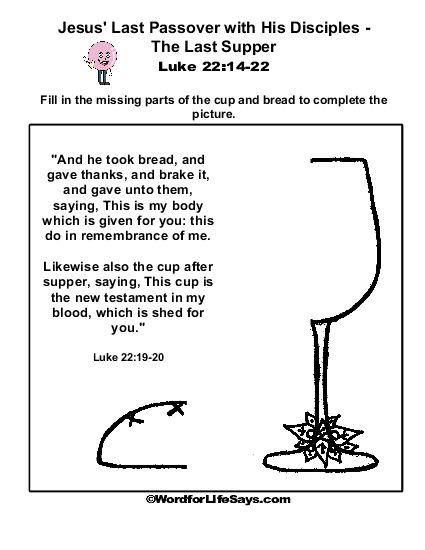
 

How Many Words: Saved by Faith How Many Words


Sunday School Lesson – “The Centurion’s Great Faith” Luke 7:1-10

VERSE DISCOVERY: Luke 7:1-10 (KJV, Public Domain)

The feet of faith walk forward believing God is, “and that he is a rewarder of them that diligently seek him,” (Hebrews 11:6).  Faith in its highest form removes all worldly shackles and just rests in the truth that if it is His will, there is nothing that can hinder God from performing a miracle in one’s life.  Ethnicity, background, and prestige all fall away in the eyes of our Savior whose only view is that of an opened heart filled with belief.

 The Centurion Seeks Help from Jesus

 Luke 7:1-3 “Now when he had ended all his sayings in the audience of the people, he entered into Capernaum.  And a certain centurion’s servant, who was dear unto him, was sick, and ready to die.  And when he heard of Jesus, he sent unto him the elders of the Jews, beseeching him that he would come and heal his servant.”

Before arriving at today’s lesson, Jesus taught a powerful sermon consisting of blessings and woes.  He interjected these lessons with questions and spiritual insights including once asking “Can the blind lead the blind?” (Luke 6:39).  He also pointed out “A good man out of the good treasure of his heart bringeth forth that which is good,” (Luke 6:45).  Jesus ends chapter 6 inquiring “Why call ye me, Lord, Lord, and do not the things which I say?”  (Luke 6:46), comparing the foundations of their spiritual lives.

After this teaching session, “when he ended all his sayings in the audience of the people, he entered into Capernaum.”

“Capernaum,” situated on the northern shore of the Sea of Galilee, was known for fishing and trade.  More known to us today, it was the place considered to be home-base of operations or headquarters, if you will, of Jesus’ ministry.  He is noted on several occasions as going to Capernaum (see Matthew 4:13; Luke 4:31; John 2:12, and so on).  People also knew this was a place where He could probably be found and sought for Him there (see John 6:24).

Therefore, this small village of only approximately 1,500 people or so became etched in history as a place where Jesus walked and taught; a place where miracles were performed, and faith was noted as being great for one man.

The possessor of that “great faith” enters the scene when someone near to him falls to the afflictions of sickness and no other help will do outside of the intervention of Jesus.  He is known as a “centurion,” meaning in charge of hundreds.  He is a man who is a leader during the Roman occupation of the land.  He has authority (of which will be discussed later).  He has position.  And though considered not one of the people, his faith, as Jesus will note, was exhibited to a greater degree than those of His own people.

The centurion’s position was prestigious; nonetheless, he had a compassionate side and cared for those under him.  This may not be the normal picture of a Roman soldier that immediately comes to mind, but it was for this man.  He had a “servant, who was dear unto him, was sick, and ready to die,” (vs. 2).  With the usage of the word “dear”, it points out his genuine concern and affection for this particular servant.  Again, this is far from the idea of these soldiers we know of.

The point is, the individual of his concern was “sick, and ready to die.”  When we read of the same account in Matthew it tells us he was, “sick of the palsy, grievously tormented,” (Matthew 8:6).  From this description, we know that he suffered from pain and was paralyzed.  Whatever brought on this disease it seemed to progress to the point of agony, causing the centurion to believe his servant’s life was in danger.  He was, as he believed, “ready to die.”

Therefore, out of his concern he sought for the only remedy he could – Jesus.  We are not sure exactly when or where he became aware of Jesus.  Being stationed in Capernaum, Jesus’ home base of ministry, it was only a matter of time before he became exposed to His miracles and teachings.  Either by way of others, or maybe even having the chance to witness it himself, he found out that Jesus heals and sought His help.

“When he heard of Jesus, he sent unto him the elders of the Jews, beseeching him that he would come and heal his servant.”  Many are familiar with the animosity that was present in that day between the Jewish people and their oppressors of the Roman Empire.  History often shows that people are generally not favorable to those who invade their lands and take over.

Yet, this centurion seems to have secured a favorable relationship with the village and the leaders therein.  So much so, he had no qualms about seeking their assistance in bringing to Jesus’ attention the plight of his sick servant.

Oh, the humility of character this man in charge exhibited.  He was in a position to order (as later he demonstrates he can) and take charge, yet he simply seeks assistance.  The Bible encourages us, “If it be possible, as much as lieth in you, live peaceably with all men,” (Romans 12:18).  This includes people over you, people under you, and people all around you.  There are many rewards of maintaining positive relationships and one can never tell who God has placed in one’s path to provide for much-needed help.

Luke 7:4-5 “And when they came to Jesus, they besought him instantly, saying, That he was worthy for whom he should do this: For he loveth our nation, and he hath built us a synagogue.”

The “elders” have no reservations in talking with the centurion commander or with communicating to Jesus his need.  Therefore, “they besought him instantly.”  With great urgency “they came to Jesus” and presented the centurion’s case before Him.  They noted, “he was worthy for whom he should do this.”  The favor this man showed to the Jewish people earned him a good reputation among the villagers.

Standing as an advocate before Jesus, they speak well of his character, pointing out “for he loveth our nation, and he hath built us a synagogue.”  There is much speculation on exactly what is being said here in regard to the centurion himself.  Did he build the synagogue as a means to just keep the peace?  Was this some sort of political tactic?

I could be wrong, but I disagree with this view.  The elders made a point of using the word “loveth” in describing his relationship toward the “nation.”  Could it be there was a genuine spark of wanting alive in him, for He, whom the Jewish people were serving?  Living in such close proximity of the people, maybe he had an opportunity to review his life and compare what he previously knew, to those who were living as God’s people.  Perhaps he wanted more and participated in the only way he knew how.  Who knows?  We can only imagine that in some way or form God was working on his heart.

The Centurion’s Faith Commended by Jesus

Luke 7:6-8 “Then Jesus went with them. And when he was now not far from the house, the centurion sent friends to him, saying unto him, Lord, trouble not thyself: for I am not worthy that thou shouldest enter under my roof: Wherefore neither thought I myself worthy to come unto thee: but say in a word, and my servant shall be healed.  For I also am a man set under authority, having under me soldiers, and I say unto one, Go, and he goeth; and to another, Come, and he cometh; and to my servant, Do this, and he doeth it.”

After hearing the story of the centurion and his servant, Jesus went with the men who had advocated the man’s plight.  One of the things I love about Jesus is it doesn’t take much to move Him.  People overcomplicate faith until it can’t be recognized.  Jesus simply heard them out and with the compassionate heart, He has He was ready to move into action to help, yes, even this Gentile.

Coming near the house, the centurion makes a surprise move.  Sending out friends he stops the progression of Jesus from coming into his house.  He knows his position in life.  He knows that he is not one of “these” people.  He knows that he is “not worthy.”

One of his greatest characteristics he shows here is his humility.  I see too many in our day brazen enough to approach God any kind of way as if it is owed to them.  I cringe at it all.  Pridefulness is against everything pertaining to God and something God will fight against (see James 4:6).  Rather, “To this man will I look, even to him that is poor and of a contrite spirit, and trembleth at my word,” (Isaiah 66:2; emphasis mine).  God pays attention to the humble.

As a man in authority, he doesn’t lift himself up demanding to be seen.  He humbly and respectfully recognizes who he is, and he recognizes who Jesus is, and counts his own self “not worthy.”  He didn’t take it upon himself to approach Jesus, therefore sending the elders previously and now his friends as well, holding Him off from entering “under my roof.”  How are we approaching Jesus?  Do we have hearts lifted up, feeling we deserve the privilege to be heard and blessed, or are we surrendered respectfully to Him, recognizing His holiness compared to our human weaknesses?

This centurion not only possessed a special measure of humility, but he also possessed a faith that was uncommon.  He said, “But say in a word, and my servant shall be healed.”  Wow!  He didn’t need Jesus to come to his house.  In his faith, he didn’t need Jesus to touch his servant in a special way.  But he understood what most in that day, and even today, fail to realize: all Jesus has to do is speak a word.

The word of Christ is powerful.  Operating under the same authority as His Father, He could count it done whatever He speaks (Psalm 33:9).  It will come to pass!  He can literally speak healing into any situation, and it will obey His command and bring about deliverance (see Psalm 107:20).  This centurion recognized His authority and the capacity to do the impossible even from a distance.

Explaining how he came to the conclusion of viewing Jesus and his situation, he said, “For I also am a man set under authority, having under me soldiers, and I say unto one, Go, and he goeth; and to another, Come, and he cometh; and to my servant, Do this, and he doeth it.”  As a commander of the Roman army he knows what it is to take orders and obey the commands of one’s superiors.  At the same time, he understands his own position well.  At any given time, he can issue an order and expect nothing less than complete follow through.  He had the right in his ranking to do so.

Viewing Jesus, he perceived His power operated to an even higher degree than his own.  He knew that all Jesus had to do was speak, and healing would obey.  Whatever sickness bound his servant would have to bend to the will the Savior and obey His orders.  This is the same Jesus whom the winds and waves obeyed (see Matthew 8:27).  This is the same one who made demons tremble and come out of people (see Mark 1:21-34).  This same Jesus was a part of Creation (Colossians 1:16).  And, this same Jesus is able to save those who come near to Him (Hebrews 7:25).  He has opened the eyes of the blind, healed leprosy, unstopped deaf ears and raised the dead back to life.  This centurion saw in Him the power to do what needed to be done to heal his servant, and he believed!

Luke 7:9-10 “When Jesus heard these things, he marveled at him, and turned him about, and said unto the people that followed him, I say unto you, I have not found so great faith, no, not in Israel.  And they that were sent, returning to the house, found the servant whole that had been sick.”

Jesus was amazed at his response.  He had not met anyone in Israel who had so recognized His authority and power as this man; someone whom willing gives himself over to total abandon to trust Jesus to heal and believe that He will.

Astounding!  This was the true epitome of “great faith!”

When one’s faith is centered on Jesus, healing can take place.  Not just physical healing, as we see here in this lesson.  But emotional, spiritual, relational…, in every area of life that needs restoration, Jesus is able to heal.  But it only comes about by faith.  The Bible reminds us, and I quoted a portion of it earlier in the introduction, “But without faith it is impossible to please him: for he that cometh to God must believe that he is, and that he is a rewarder of them that diligently seek him,” (Hebrews 11:6).  The centurion filled this faith criterion.  Beyond a shadow of a doubt, he knew that Jesus was able to do all that he had known of Him, and he sought Him with an open heart of belief.

Jesus spoke highly on his behalf, saying, “I say unto you, I have not found so great faith, no, not in Israel.”  If we were to put our spiritual thermometer in the waters of faith, how would we measure up?  Would we be found on the “greater than” side of faith or on the “less than” side?

Faith is the access key to everything God wants to do through us and for us.  Jesus once taught, “And all things, whatsoever ye shall ask in prayer, believing, ye shall receive.,” (Matthew 21:22; emphasis mine).  One must believe as the centurion did that Jesus can do this for you, too.

One of my favorite portions of Scripture reminds me that our God is the good Father who knows how to give good gifts to His children, (see Matthew 7:9-11).  Really, He is!  Therefore, “Ask, and it shall be given you; seek, and ye shall find; knock, and it shall be opened unto you:” (Matthew 7:7).

The miracles of Jesus were not just for the benefit of the receivers.  Through the retelling of them, we are able to build ourselves up in our own faith and be encouraged by what we read.  Verses like John 20:31 tell us, “These are written, that ye might believe that Jesus is the Christ, the Son of God, and that believing ye might have life through his name,” which is the ultimate end to having great faith – life eternal.

PDF Printable Sunday School Lesson Pack (With easy to read instructions following the P.E.A.R.L. format on how to conduct each lesson with areas for adding personal notes): Sunday School Lesson – The Centurion’s Great Faith

Suggested Activities:

Kid’s Journal Page: Kid’s Journal Page – Dear Jesus

Adult Journal Page: Adult Journal Page – Dear Lord

Blank Journal Pages: Blank Adult and Kid’s Journal Pages

Draw the Scene: The Centurion’s Great Faith Draw the Scene

Jesus Heals Bandage Bookmarkers: Just print, color, and cut out.  I suggest using cardstock or gluing to construction paper for support. Enjoy! Jesus Heals Bookmarks

Jesus Heals Bookmarks-001

Memory Verse: The Centurion’s Great Faith Memory Verse
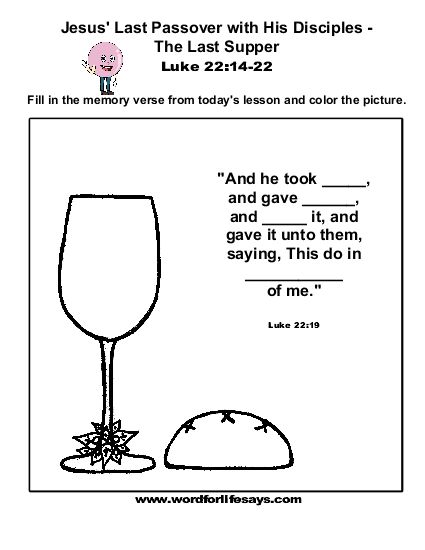
Word Search: The Centurion’s Great Faith Word Search  Answers: The Centurion’s Great Faith Word Search Answers

Crossword: The Centurion’s Great Faith Crossword  Answers: The Centurion’s Great Faith Crossword Answers

Word Scramble: The Centurion’s Great Faith Word Scramble  Answers: The Centurion’s Great Faith Word Scramble Answers